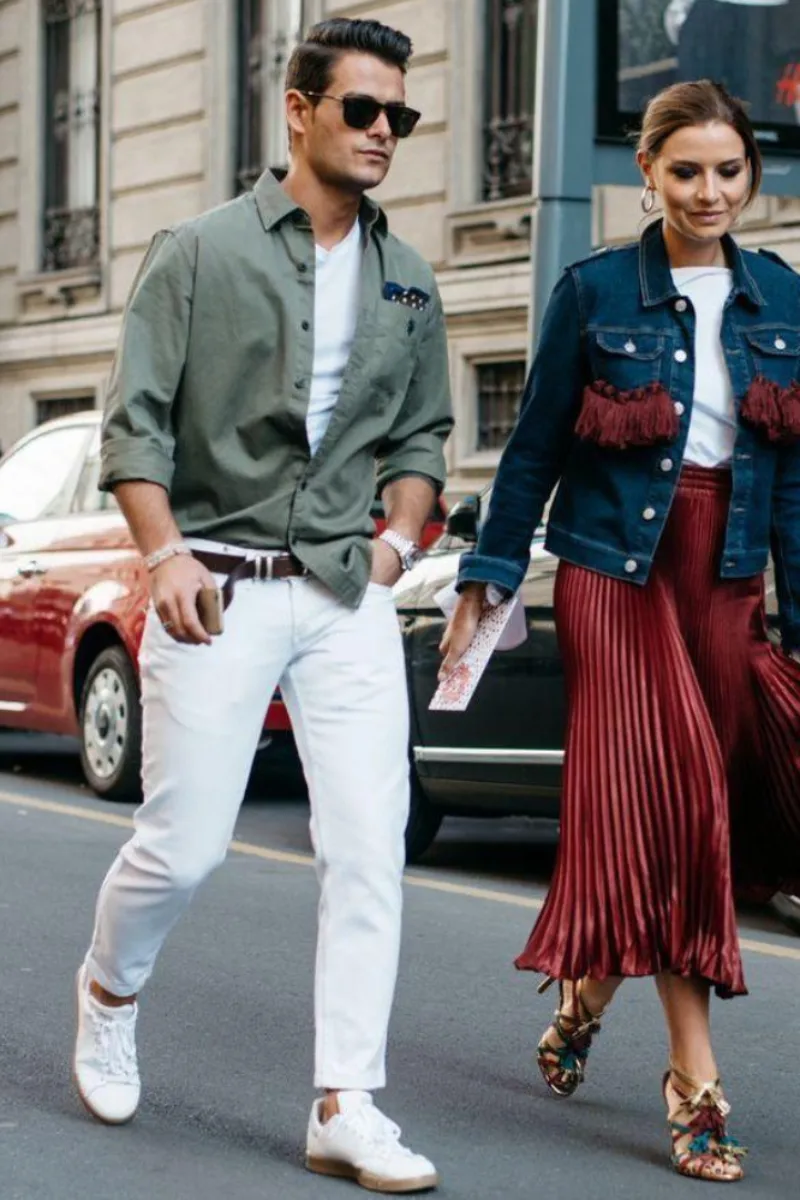
A great personal style is not about wearing expensive brands or following every fashion trend. It is about understanding what suits you, choosing clothes with intention, and feeling comfortable and confident in what you wear.
Research and contemporary style guides consistently emphasize that fit, consistency, occasion, grooming, and personal expression matter more than simply buying more clothes.

Introduction: Style Is More Than Fashion
What you wear is often the first thing people notice about you—but personal style goes much deeper than appearance.
Dressing well can influence how you carry yourself, how comfortable you feel in social situations, and how confidently you approach your day. It doesn’t mean wearing designer labels or buying a new outfit every week. True style comes from knowing yourself and making thoughtful choices.
Good style is not about impressing everyone. It is about expressing yourself.
1. Find Your Personal Style
The most stylish people don’t necessarily dress alike. Their common quality is that their clothes reflect their personality and taste.
Your personal style could be classic, minimal, casual, traditional, contemporary, sporty, or a combination of several influences.
Start by asking yourself:
- What clothes make me feel comfortable?
- Which colors do I naturally prefer?
- What outfits do I repeatedly reach for?
- What kind of image do I want to project?
- Does my wardrobe match my lifestyle?
Once you understand these answers, getting dressed becomes much easier.
2. Fit Matters More Than the Brand
A simple, well-fitting outfit can look far better than an expensive outfit that doesn’t fit properly.
Pay attention to the shoulders of jackets and shirts, trouser length, sleeve length, and the overall silhouette. When necessary, a good tailor can make an ordinary garment look considerably more polished.
Remember: The right fit can make a budget outfit look premium.

3. Build a Wardrobe, Not a Collection
Having a wardrobe full of clothes doesn’t necessarily mean having great style.
A smarter approach is to own versatile pieces that work together. Neutral shirts, well-fitting trousers, quality denim, a versatile jacket or blazer, comfortable shoes, and a few carefully chosen accessories can create many combinations.
The idea behind a capsule wardrobe is simple: fewer, more useful pieces can create more outfit possibilities.
Before buying something new, ask:
“Can I wear this with at least three things I already own?”
If the answer is no, think twice.
4. Learn the Power of Color
You don’t need dozens of colors in your wardrobe.
Start with colors that complement your complexion and lifestyle. Neutral shades such as white, navy, beige, grey, black, olive, and brown are easy to combine and can form the foundation of a versatile wardrobe.
Once you understand your base colors, introduce stronger colors through shirts, dresses, jackets, footwear, bags, watches, scarves, or other accessories.
The goal isn’t to avoid color. It’s to use it intentionally.

5. Dress for the Occasion
One of the easiest ways to improve your dressing sense is to understand the occasion.
What works for a weekend outing may not work for a business meeting. A wedding requires a different approach from a casual dinner, while travel demands a balance between comfort and appearance.
Before getting dressed, think about:
Where am I going?
Who will I meet?
What is the expected dress code?
Will I be comfortable throughout the day?
Being appropriately dressed shows awareness and respect for the occasion.
6. Don’t Ignore Grooming
A great outfit can lose its impact if grooming is neglected.
Clean and well-maintained shoes, neat hair, fresh breath, clean nails, appropriate fragrance, and wrinkle-free clothing all contribute to your overall appearance.
Think of grooming as the finishing touch to your outfit.Style is not only what you wear—it is how you present yourself.
7. Accessories Can Change an Outfit
Small details often make a big difference.
A watch, belt, sunglasses, handbag, scarf, jewellery, pocket square, or pair of well-chosen shoes can transform a simple outfit.
But remember one important rule:
Don’t let accessories wear the outfit.
Choose a few pieces that complement your clothes rather than competing with them.

8. Comfort Is Part of Good Style
Looking good shouldn’t mean spending the entire day feeling uncomfortable.
Choose fabrics appropriate for the weather, especially in India’s varied climate. Cotton and linen can be useful choices in hot conditions, while layering can help during cooler weather.
Comfort gives you confidence—and confidence makes an outfit look better.
9. Stop Chasing Every Trend
Fashion changes quickly. Personal style doesn’t have to.
Trends can be fun, but building your entire wardrobe around them can leave you with clothes that quickly feel outdated.
Instead, develop a foundation of timeless pieces and selectively add trends that genuinely suit your personality.
Don’t ask, “Is this fashionable?”
Ask, “Does this look like me?”
10. Take Care of What You Own
Dressing well also means maintaining your clothes.
Keep shoes clean, hang jackets properly, fold knitwear, follow washing instructions, remove stains quickly, and repair small problems before they become bigger ones.
A well-maintained ₹2,000 shirt can look better than a neglected ₹10,000 shirt.
Good style begins with good habits.
11. Dress for Yourself
Perhaps the most important rule of personal style is simple:
Dress for yourself.
Take inspiration from celebrities, influencers, designers, friends, or people you admire—but don’t become a copy of someone else.
Your clothes should reflect your personality, your lifestyle, your culture, and your comfort.
Personal style becomes powerful when it feels authentic.

The Confidence Connection
When you wear something that fits well, feels comfortable, and represents who you are, you naturally carry yourself differently.
You may stand a little straighter.
You may feel more prepared for the day.
You may communicate with greater confidence.
Clothing cannot solve everything, but the right clothing can become part of a positive mindset.
Final Thoughts
Dressing well isn’t about having a huge wardrobe, spending a fortune, or following every fashion trend.
It is about fit, simplicity, grooming, confidence, occasion, comfort, and individuality.
Start small. Clean up your wardrobe. Keep what fits your lifestyle. Learn what colors and silhouettes work for you. Invest in versatile pieces. Take care of your clothes.
And most importantly, wear your style with confidence.
Because when you dress well, you don’t just change how you look—you can change how you feel about showing up in the world.