Introduction
We often spend years working to earn money, build careers, buy homes, and create a comfortable life. But there is one kind of wealth that makes it possible to enjoy all of those things: good health.
The saying “Your Health Is Your Real Wealth” is a reminder that physical and mental well-being are among our most valuable assets. Money can provide comfort and opportunities, but good health helps us actually experience and enjoy them.
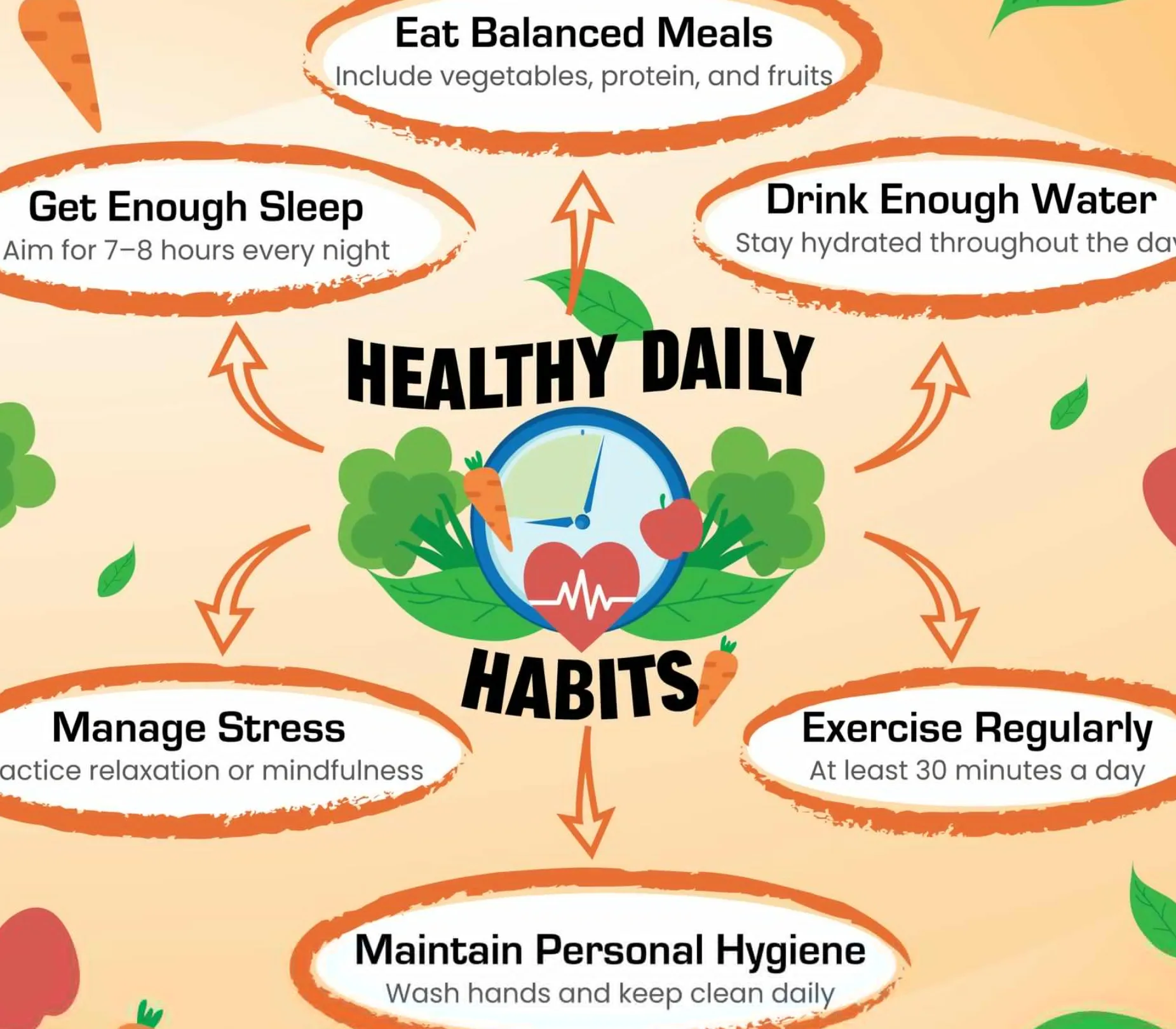
A healthy lifestyle doesn’t require extreme diets, exhausting workouts, or complicated routines. Small, consistent choices—eating nutritious foods, staying active, sleeping well, managing stress, maintaining relationships, and getting appropriate preventive care—can make a meaningful difference.
This guide explains practical steps you can incorporate into everyday life to make your health a priority.
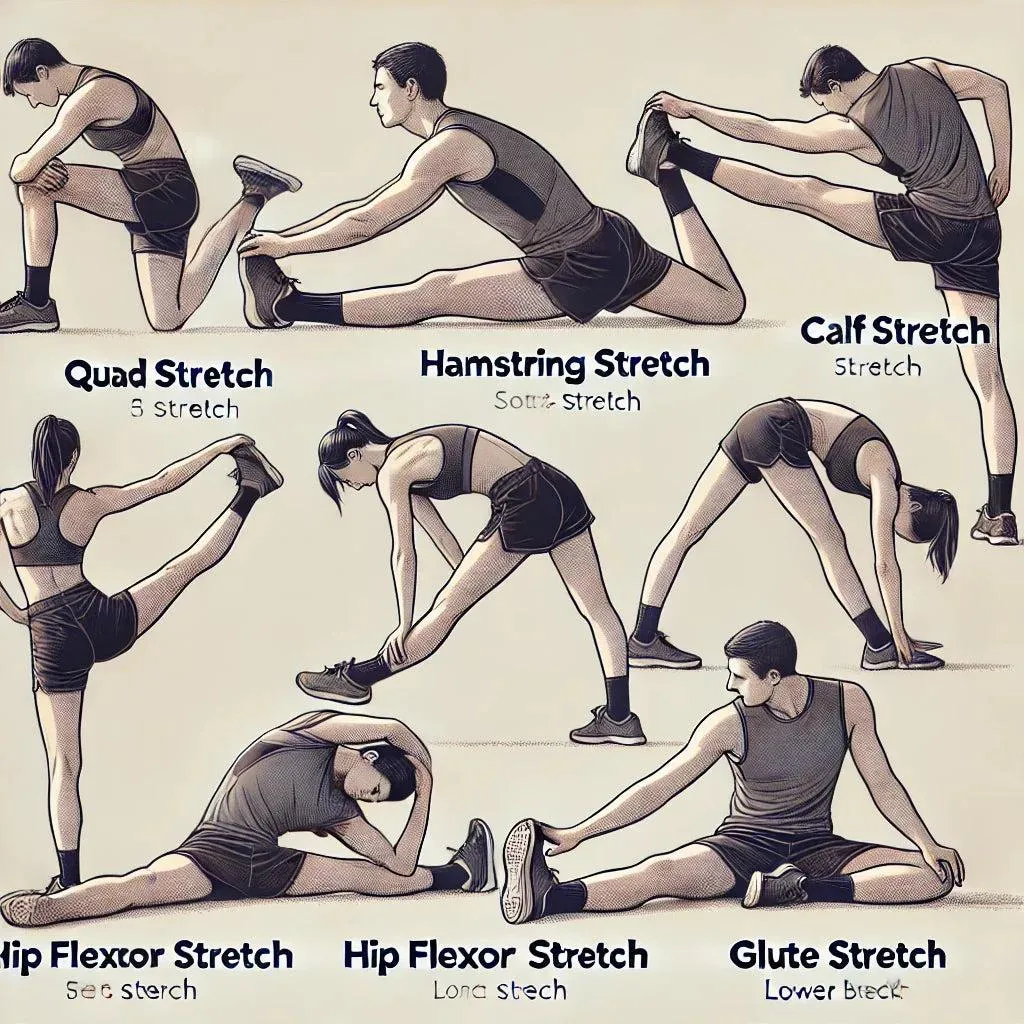
Also Read: Stretching for a Healthier Body: A Simple Guide to Move Better Every Day

Why Health Is Your Real Wealth
Good health influences almost every part of daily life.
1. Health Gives You Energy
Nutritious food, regular physical activity, adequate sleep, and hydration can support your body’s ability to perform everyday activities.
2. Health Supports Independence
Maintaining strength, mobility, and fitness can help you remain capable of handling daily activities as you get older.
3. Health Can Improve Quality of Life
Being physically active and taking care of your well-being can support participation in hobbies, work, travel, and time with loved ones.
4. Prevention Matters
Many health problems can benefit from early detection and appropriate preventive care. Regular checkups and age-appropriate screenings can help you discuss potential risks with a healthcare professional.

Step-by-Step Planning Guide for a Healthier Life
Step 1: Start With Your Current Lifestyle
Before making major changes, take a realistic look at your current routine.
Ask yourself:
- How often do I eat fruits and vegetables?
- Am I physically active during the week?
- Do I get enough sleep?
- How much water do I usually drink?
- How often do I feel stressed?
- Do I spend enough time with family and friends?
- Do I schedule preventive healthcare appointments?
Don’t try to change everything at once. Choose one or two habits to improve first.

Step 2: Build a Balanced Diet
Food is one of the foundations of good health.
Aim for a varied diet containing foods such as:
- Vegetables
- Fruits
- Whole grains
- Beans and lentils
- Nuts and seeds
- Appropriate sources of protein
- Healthy fats
Try to limit excessive intake of highly processed foods, added sugars, and foods high in sodium.
A Simple Plate Approach
For many meals, you can think about your plate in broad categories:
Vegetables + Protein + Whole Grains/Other High-Fiber Carbohydrates + Healthy Fat
The exact amount and dietary pattern appropriate for you can vary according to your age, health needs, activity level, and medical advice.

Step 3: Make Physical Activity Part of Your Routine
You don’t necessarily need a gym membership to become more active.
Try activities you enjoy:
- Walking
- Cycling
- Swimming
- Dancing
- Yoga
- Strength exercises
- Sports
- Gardening
- Active household activities
For adults, health authorities commonly recommend regular aerobic activity along with muscle-strengthening activities. If you have been inactive for a long time or have medical concerns, consider discussing an appropriate exercise plan with a healthcare professional.
Make Movement Easier
Instead of thinking only about formal workouts, look for opportunities to move throughout the day.
For example:
- Take short walking breaks.
- Use stairs when practical.
- Walk while talking on the phone.
- Spend some leisure time outdoors.
- Break up long periods of sitting.
Consistency matters more than trying to create a perfect routine.

Step 4: Prioritize Quality Sleep
Sleep is an important part of overall well-being.
Create a relaxing bedtime routine by:
- Going to bed at a reasonably consistent time.
- Keeping your bedroom comfortable and quiet.
- Limiting stimulating activities before bedtime.
- Avoiding heavy meals close to bedtime when they interfere with your sleep.
- Keeping electronic distractions away from your sleeping area when possible.
Most adults need at least 7 hours of sleep per night, although individual needs vary.
If you regularly have trouble sleeping despite healthy sleep habits, consider talking with a healthcare professional.

Step 5: Stay Hydrated
Water plays an essential role in normal body functions.
Keep water easily available throughout the day and drink according to your body’s needs.
Your hydration needs can vary depending on:
- Climate
- Physical activity
- Diet
- Age
- Pregnancy or breastfeeding
- Medical conditions
- Certain medications
Rather than focusing on one universal number for everyone, pay attention to your body’s needs and follow medical advice when applicable.

Step 6: Take Care of Your Mental Well-Being
Health isn’t only about the body. Mental and emotional well-being matter too.
Make time for activities that help you relax and reconnect with yourself.
You might try:
- Meditation
- Deep breathing
- Reading
- Walking outdoors
- Journaling
- Music
- Hobbies
- Spending time with people you care about
If stress, anxiety, sadness, or other emotional difficulties are persistent or interfering with everyday life, speaking with a qualified mental-health professional can be helpful.

Step 7: Maintain Strong Social Connections
Healthy relationships can be an important part of overall well-being.
Make time to:
- Eat meals with family.
- Call friends or relatives.
- Participate in community activities.
- Enjoy hobbies with other people.
- Celebrate small moments together.
A healthy lifestyle isn’t simply about calories and exercise. Connection, purpose, and enjoyment are also important parts of a fulfilling life.

Step 8: Avoid Harmful Habits
Protecting your health also means reducing exposure to known risks.
Avoid tobacco and nicotine products. If you drink alcohol, remember that lower consumption generally means lower alcohol-related health risk, and some people should avoid alcohol completely.
Other helpful habits include:
- Wearing a seat belt.
- Using appropriate protective equipment during sports.
- Practicing sun protection.
- Following food-safety practices.
- Taking medications only as directed.

Step 9: Don’t Ignore Preventive Healthcare
A healthy lifestyle doesn’t replace medical care.
Depending on your age, sex, family history, and individual risk factors, preventive care may include:
- Routine health checkups
- Blood pressure checks
- Dental examinations
- Eye examinations
- Recommended vaccinations
- Appropriate cancer screenings
- Monitoring relevant health measurements
Talk with your healthcare professional about which screenings and preventive services are appropriate for you.

Step 10: Create a Simple Daily Health Routine
You don’t need a complicated schedule.
🌅 Morning
- Wake up at a consistent time.
- Drink water.
- Have a nutritious breakfast if it suits your dietary routine.
- Get some movement or sunlight exposure.
☀️ Afternoon
- Choose a balanced meal.
- Take short movement breaks.
- Stay hydrated.
- Make time for productive work and social interaction.
🌆 Evening
- Eat a balanced dinner.
- Take a walk or do another enjoyable activity.
- Spend time with family or friends.
- Reduce unnecessary screen time before bed.
🌙 Night
- Follow a calming bedtime routine.
- Keep your sleep environment comfortable.
- Aim for sufficient sleep.
A Simple 7-Day Health Challenge


6
Try this simple challenge:
| Day | Healthy Goal |
|---|---|
| Monday | Add an extra serving of vegetables |
| Tuesday | Take a walk or do another enjoyable physical activity |
| Wednesday | Focus on a consistent bedtime |
| Thursday | Drink water regularly throughout the day |
| Friday | Spend quality time with family or friends |
| Saturday | Prepare a nutritious homemade meal |
| Sunday | Review your week and choose one habit to continue |
The objective isn’t perfection. It’s about creating habits that you can realistically maintain.

Common Mistakes to Avoid
❌ Trying to Change Everything Overnight
Large lifestyle changes can be difficult to maintain. Start small.
❌ Following Every New Diet Trend
A diet that works for someone else may not be appropriate for you. Focus on balanced, sustainable eating.
❌ Exercising Only to Lose Weight
Physical activity has many purposes beyond weight management, including supporting cardiovascular fitness, strength, mobility, and overall well-being.
❌ Ignoring Sleep
Working longer hours while consistently sacrificing sleep can make it harder to maintain a healthy routine.
❌ Comparing Yourself With Others
Health journeys are individual. Focus on your own habits and progress.
Conclusion
Your health truly is one of your most valuable forms of wealth.
You don’t need to completely transform your life overnight. Start with simple actions: eat more nutritious foods, move your body regularly, get enough sleep, drink water, manage stress, maintain meaningful relationships, avoid harmful habits, and stay up to date with appropriate preventive healthcare.
The goal isn’t to live a perfect life. It’s to build a lifestyle that supports your well-being one healthy choice at a time.
After all, wealth is most meaningful when you have the health and energy to enjoy it.
Frequently Asked Questions
1. What does “Your Health Is Your Real Wealth” mean?
It means that good health is a fundamental resource that supports your ability to work, enjoy relationships, participate in activities, and experience life. Financial wealth alone cannot replace physical and mental well-being.
2. What is the most important healthy habit?
There isn’t one habit that is universally most important. A healthy lifestyle generally involves several interconnected habits, including nutritious eating, regular physical activity, sufficient sleep, stress management, avoiding tobacco, and appropriate healthcare.
3. How can I start living healthier?
Start small. Choose one or two realistic changes, such as taking a daily walk, adding more vegetables to meals, improving your sleep schedule, or drinking water regularly. Build from there.
4. Do I need to go to a gym to stay healthy?
No. Walking, cycling, dancing, swimming, home exercises, sports, and many everyday activities can contribute to physical activity.
5. How much sleep should adults get?
Most adults should aim for at least 7 hours of sleep each night, although individual requirements can vary.
6. Is healthy eating expensive?
Not necessarily. Nutritious meals can include affordable foods such as seasonal vegetables, fruits, beans, lentils, whole grains, and other locally available ingredients. Planning meals and cooking at home can also help manage costs.
7. Why is mental health part of overall health?
Mental and physical health influence overall well-being. Managing stress, maintaining social connections, getting adequate sleep, and seeking professional support when needed can all be important parts of a healthy lifestyle.
8. Can small lifestyle changes really make a difference?
Yes. Healthy behaviors are generally most useful when they are sustainable. Small changes that become consistent habits can be easier to maintain than dramatic short-term changes.
9. Should I get regular health checkups even if I feel healthy?
Preventive care can help identify certain health risks before symptoms appear. The appropriate checkups and screenings depend on individual factors, so discuss them with your healthcare professional.
10. What is the biggest lesson about health?
Don’t wait until your health becomes a problem before you start taking care of it. Build simple, sustainable habits today so you can better enjoy the years ahead.