Introduction
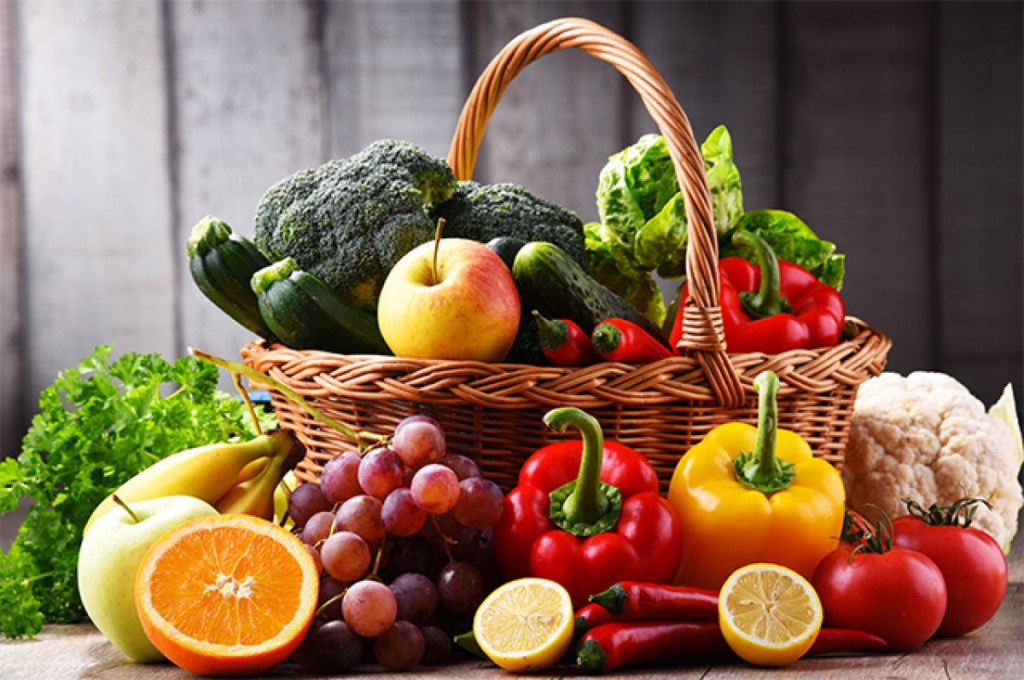
Eating seasonal foods is a simple way to make everyday meals more flavorful, varied, and connected to what is naturally available throughout the year. Seasonal fruits and vegetables are harvested during their natural growing periods, when they are often at their freshest and most abundant.
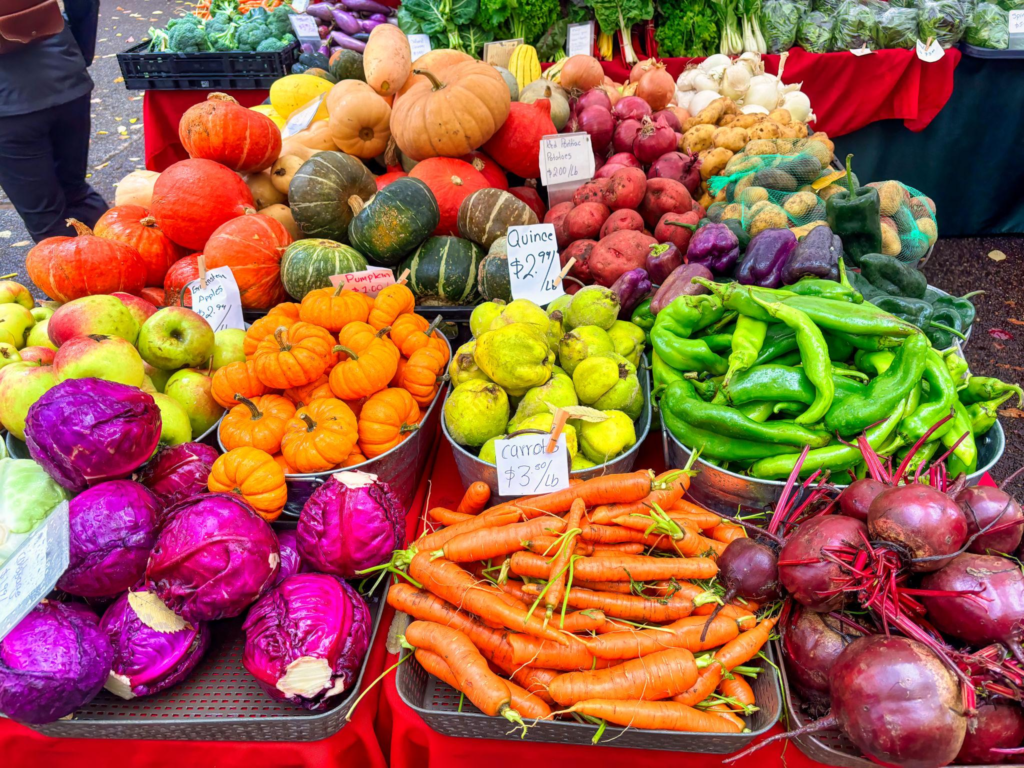
From crisp apples and pumpkins in autumn to juicy berries in summer and leafy greens in cooler months, every season offers something delicious to explore. Choosing seasonal produce can also encourage healthier eating habits because it makes it easier to build meals around fruits, vegetables, whole grains, herbs, and other minimally processed ingredients.
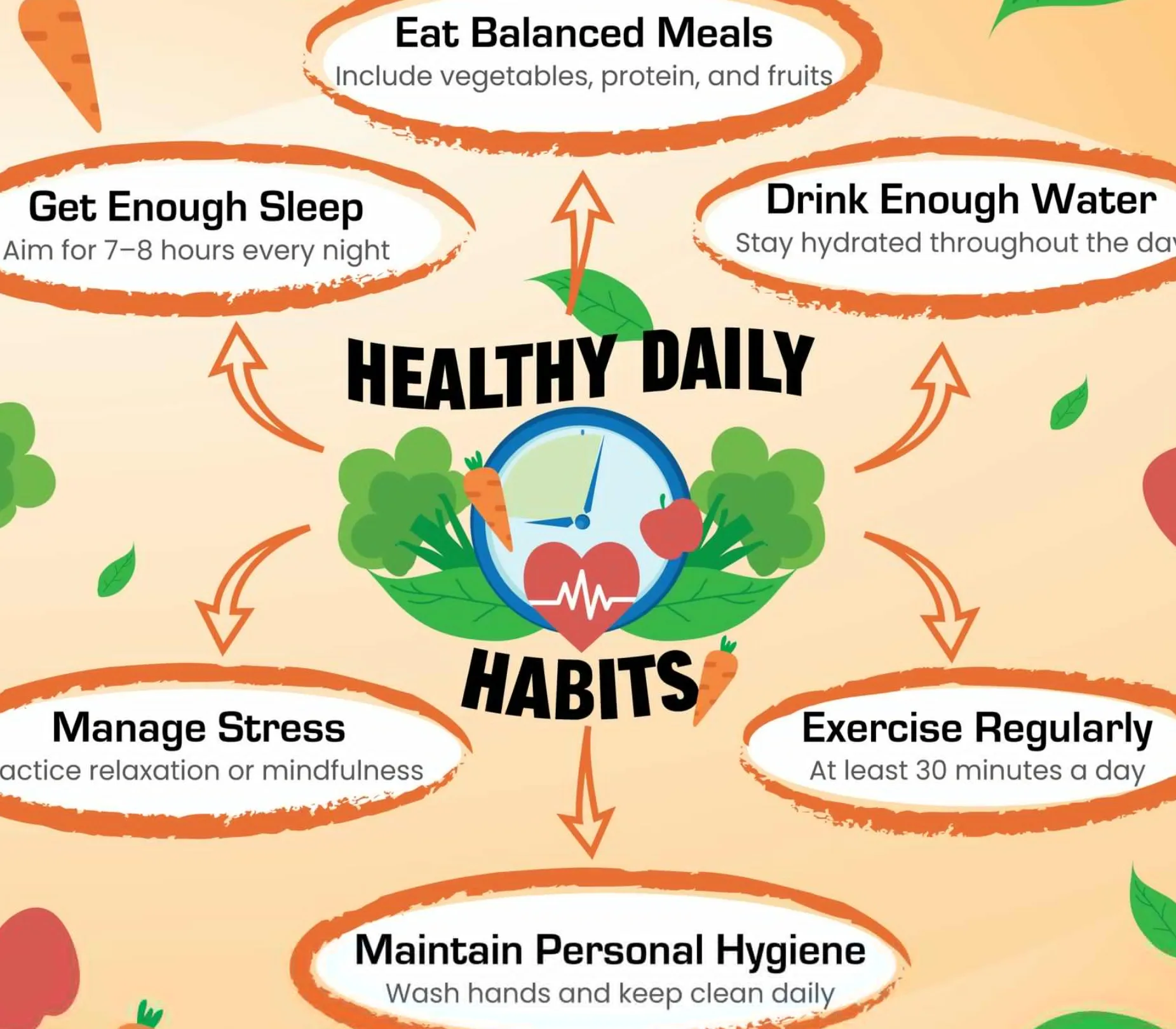
Also Read: 5 Healthy Habits to Start Today
Why Eating Seasonal Foods Matters
1. Seasonal Produce Can Taste Better
Produce that is harvested at the right stage of its natural growing season can have excellent flavor, aroma, and texture. Ripe tomatoes in summer, sweet corn in late summer, or roasted squash in autumn can make simple meals much more satisfying.
2. You Get More Variety Throughout the Year
Eating seasonally naturally encourages you to change your menu as the year progresses. Instead of relying on the same ingredients every week, you can experiment with different fruits and vegetables.
This variety can make healthy eating feel less repetitive and more enjoyable.
3. Seasonal Foods Can Support a Healthy Diet
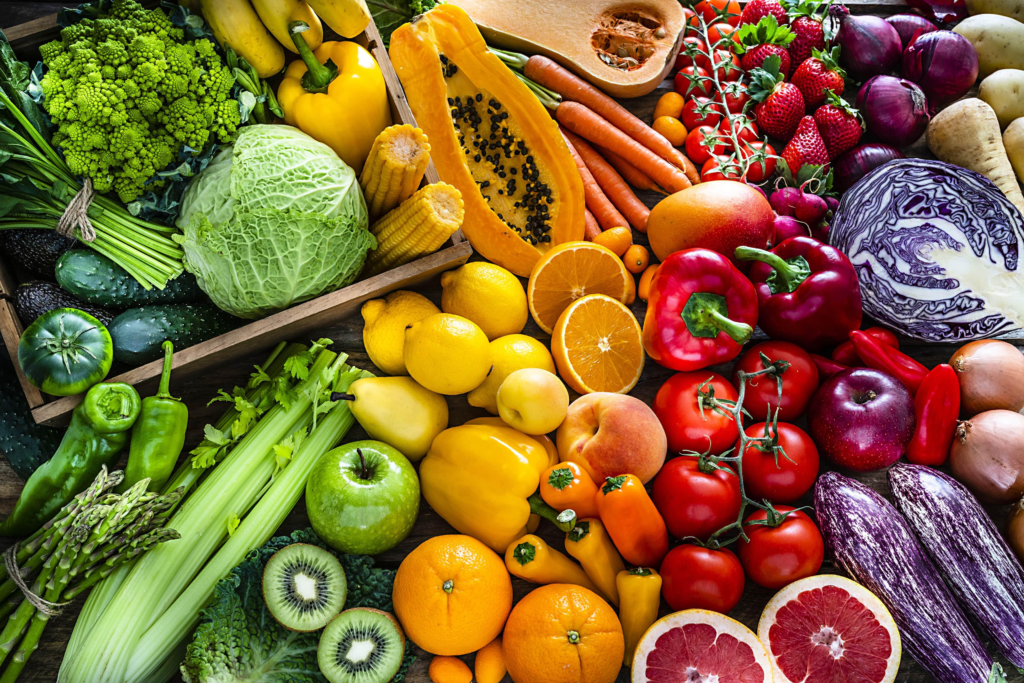
Fruits and vegetables provide important nutrients such as fiber, vitamins, minerals, and various plant compounds. Building meals around a variety of colorful produce is a practical way to improve overall dietary variety.
4. Seasonal Shopping Can Be Budget-Friendly
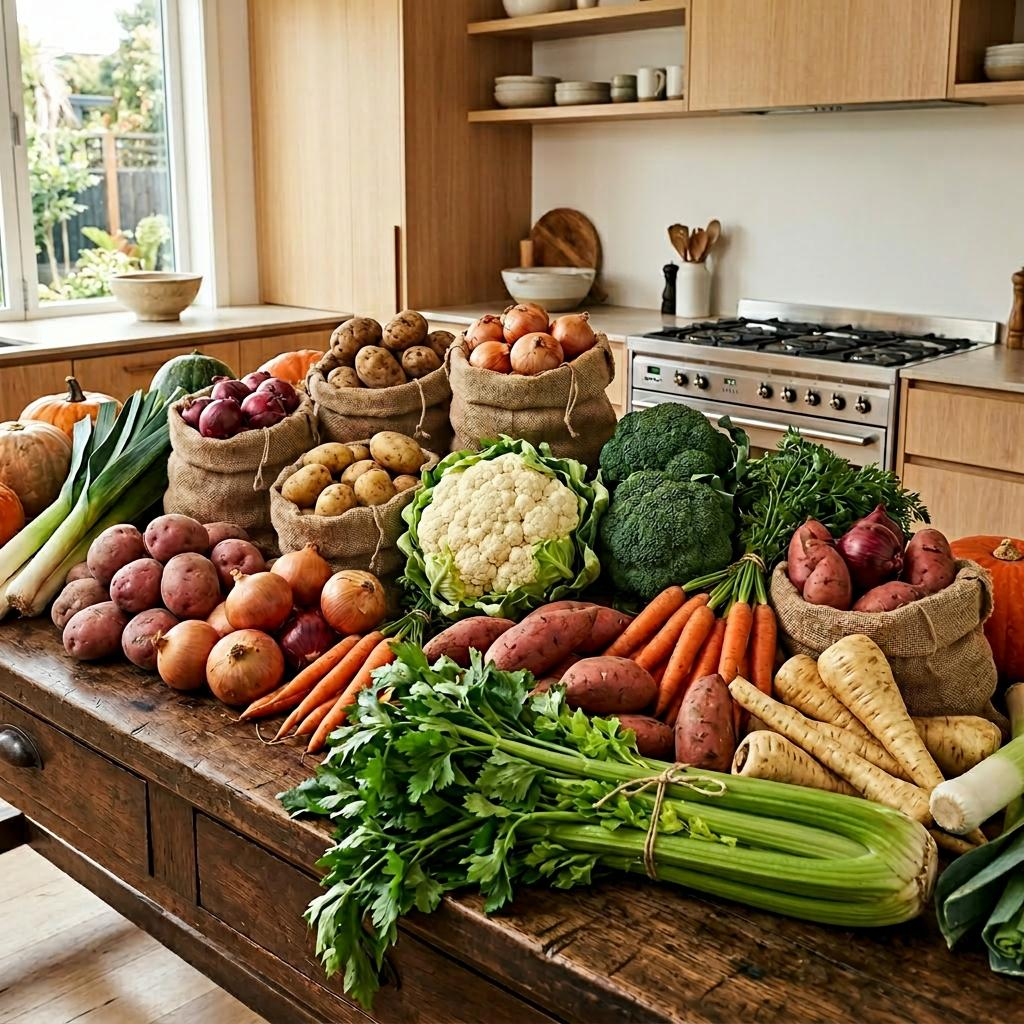
When a particular crop is plentiful, it may be more affordable than produce that is out of season. Local markets and grocery stores often feature seasonal produce at attractive prices when supplies are abundant.
Prices vary by location and season, but shopping around what is readily available can be a useful way to manage a food budget.
5. It Encourages More Home Cooking
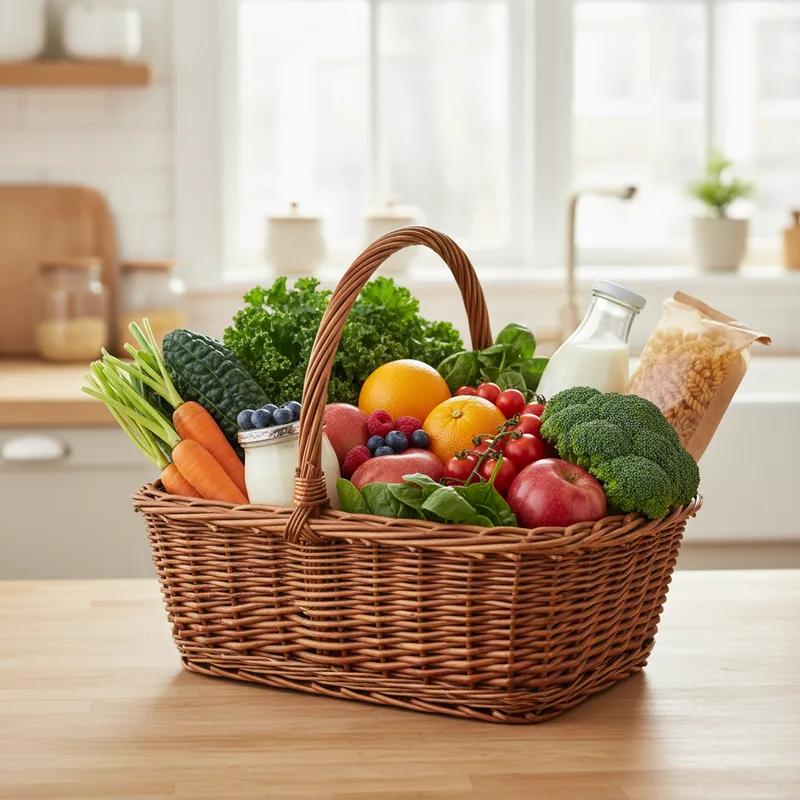
A basket of fresh seasonal ingredients can inspire you to cook instead of reaching for highly processed convenience foods. A few vegetables, herbs, beans, grains, and a simple dressing can become a satisfying homemade meal.
Step-by-Step Guide to Planning Seasonal Meals
Step 1: Find Out What’s in Season
Start by checking which fruits and vegetables are naturally available in your area during the current season.
For autumn, for example, you might find:
- Pumpkin and winter squash
- Apples
- Pears
- Carrots
- Sweet potatoes
- Cauliflower
- Brussels sprouts
- Cabbage
- Beets
- Leafy greens
The exact seasonal list will depend on your climate and location.
Step 2: Choose 5–7 Seasonal Ingredients
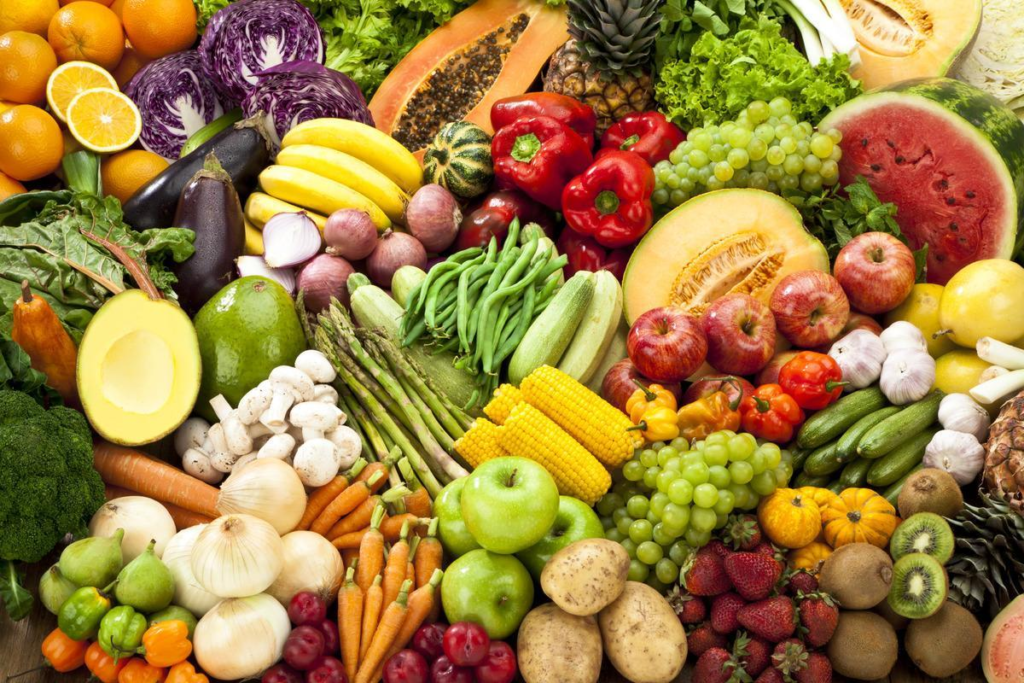
You don’t need to completely change your diet. Pick a handful of seasonal ingredients that you enjoy.
For example:
Vegetables: pumpkin, carrots, Brussels sprouts
Fruits: apples, pears
Herbs: rosemary, thyme
These ingredients can become the foundation for several meals.
Step 3: Build a Simple Meal Plan
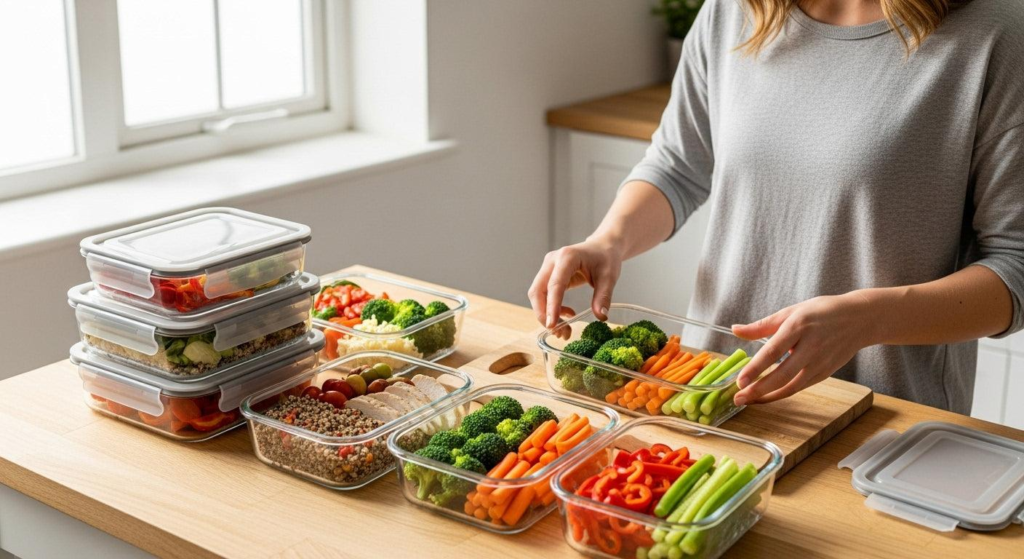
Turn your ingredients into different meals throughout the week.
Monday: Roasted pumpkin and carrot soup
Tuesday: Seasonal vegetable grain bowl
Wednesday: Apple and walnut salad
Thursday: Maple-roasted vegetables
Friday: Vegetable and bean soup
Saturday: Roasted vegetable wraps
Sunday: Seasonal vegetable dinner platter
The goal isn’t complicated cooking. It’s making the same fresh ingredients work in several different ways.

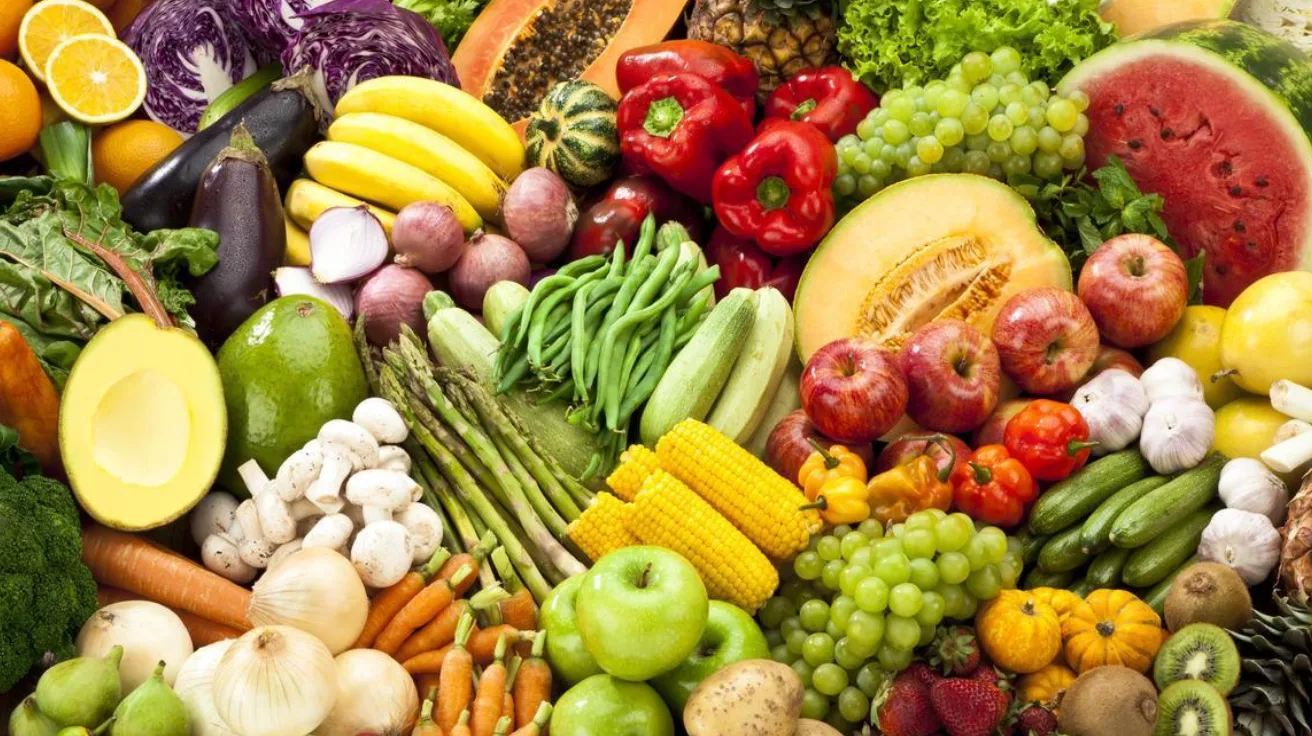
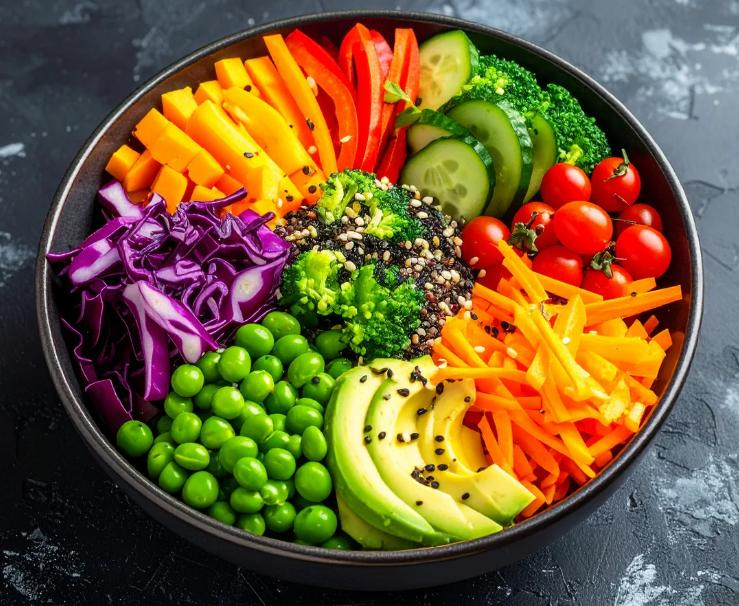
Step 4: Combine Different Colors
Try to include a variety of naturally colorful foods.
Think:
🟢 Green vegetables
🟠 Orange squash and carrots
🔴 Red peppers and tomatoes
🟣 Purple cabbage and onions
🟡 Corn, squash, or yellow peppers
A colorful plate can make meals more visually appealing while helping you include a wider range of plant foods.

Step 5: Buy What You Can Actually Use
Avoid buying large quantities simply because something is seasonal.
Before shopping, check:
- What is already in your refrigerator?
- Which ingredients need to be used first?
- How many meals are you preparing?
- Can the produce be frozen?
- Can leftovers be incorporated into another meal?
This simple approach can help reduce food waste.
Step 6: Store Produce Properly
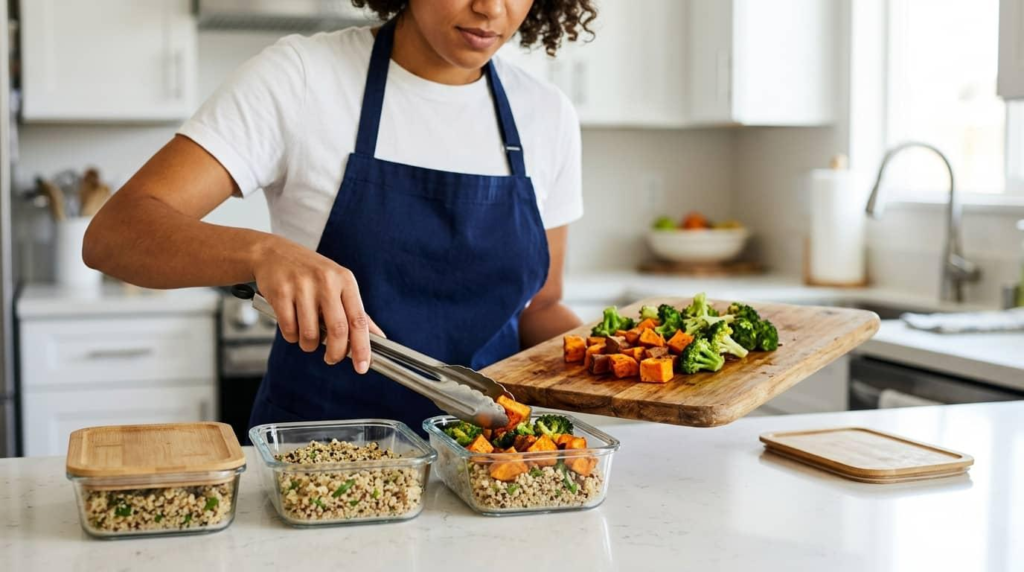
Different fruits and vegetables have different storage needs. Some belong in the refrigerator, while others are best kept somewhere cool, dry, and well ventilated.
Wash produce according to food-safety guidance and store it appropriately to help maintain quality.
Step 7: Preserve Seasonal Favorites
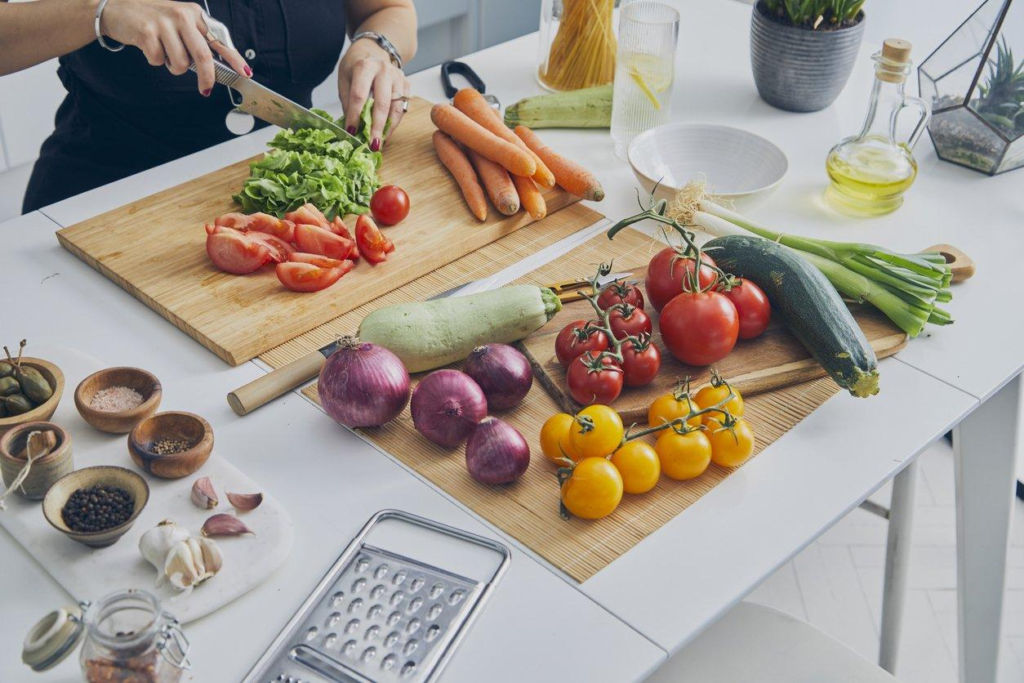
If you have more seasonal produce than you can use immediately, consider appropriate preservation methods.
Depending on the food, options may include:
- Freezing
- Drying
- Refrigerating
- Canning using tested food-safety methods
- Making sauces or soups for later use
Preserving seasonal produce can allow you to enjoy favorite ingredients beyond their peak season.
Step 8: Make One New Seasonal Recipe Each Week
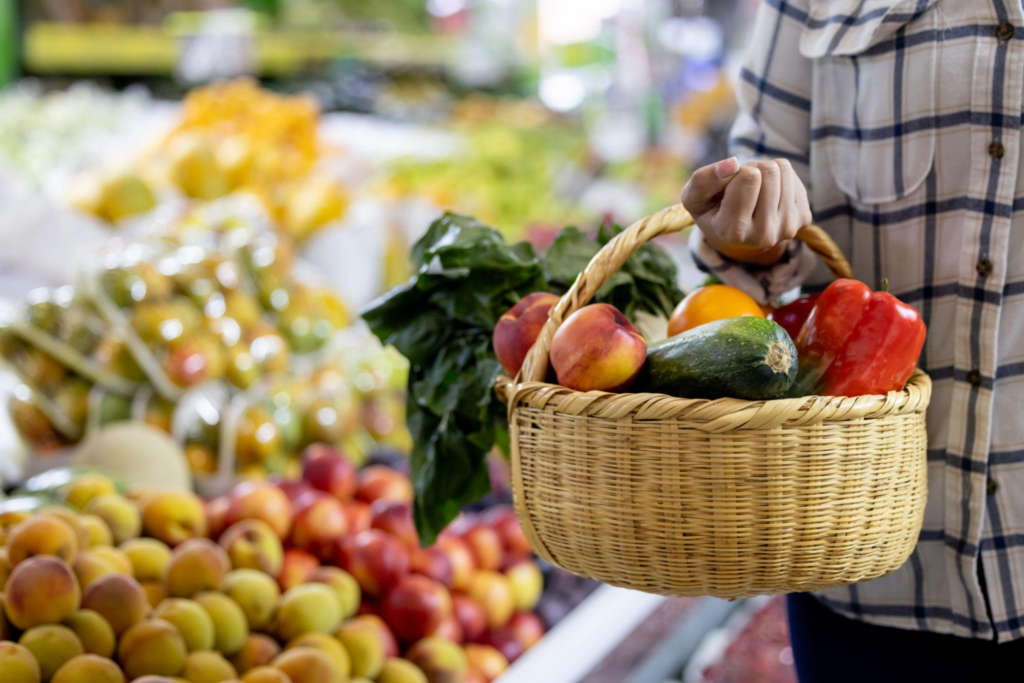
Keep the process interesting by trying one new recipe every week.
For example:
Fall: Roasted pumpkin soup
Winter: Root vegetable stew
Spring: Fresh vegetable grain bowl
Summer: Tomato and cucumber salad
Over time, you’ll build a personal collection of easy seasonal recipes.
A Simple Seasonal Shopping Checklist
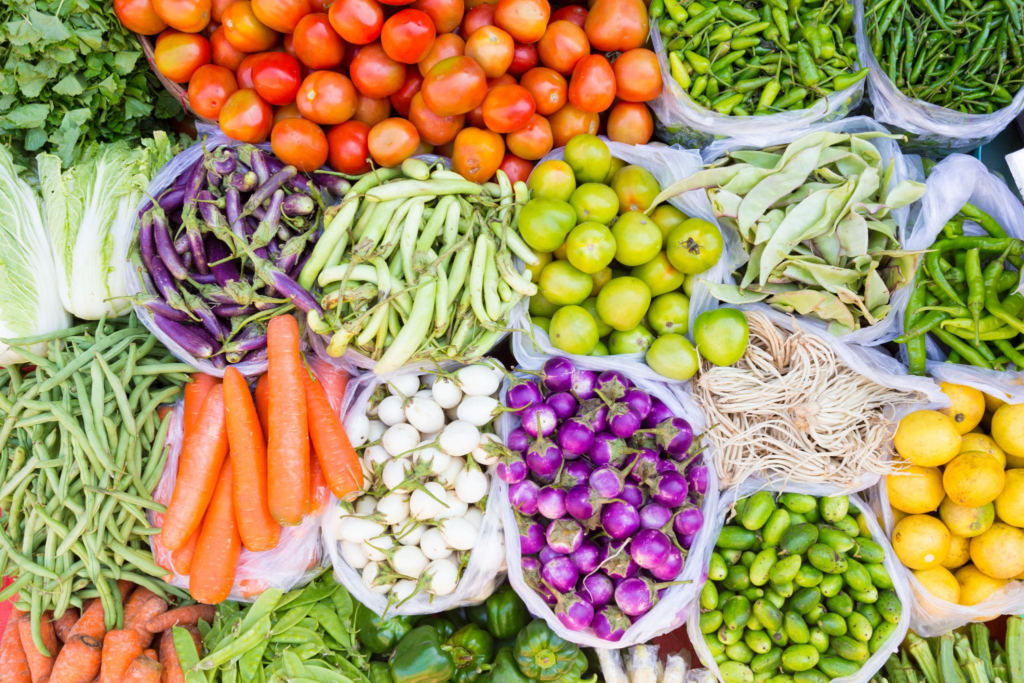
Before heading to the grocery store or farmers market, use this checklist:
☐ Check what’s in season
☐ Look at what you already have
☐ Choose 5–7 seasonal ingredients
☐ Pick a few protein sources
☐ Add whole grains or other filling staples
☐ Choose ingredients for several meals
☐ Buy realistic quantities
☐ Plan how leftovers will be used
☐ Store everything properly when you get home
How to Make Seasonal Eating Easier
You don’t have to eat exclusively seasonal foods to benefit from the approach. A flexible strategy works well.
Try making half your shopping list seasonal and keeping familiar staples available for convenience.
You can also:
- Keep frozen fruits and vegetables on hand.
- Buy extra seasonal produce when prices are favorable.
- Prepare vegetables in batches.
- Add seasonal fruit to breakfast or snacks.
- Use herbs to make simple dishes more flavorful.
- Turn leftover vegetables into soups, wraps, omelets, or grain bowls.
- Explore your local farmers market for inspiration.
Seasonal Eating Doesn’t Have to Be Perfect
There is no need to follow strict seasonal rules. Availability varies by region, climate, growing methods, and supply chains.
The most important goal is to eat a varied diet rich in nutritious foods. If frozen, canned, or out-of-season produce is more practical for you, it can still be part of a healthy eating pattern.
Think of seasonal eating as an opportunity to discover new foods—not as a set of rules you have to follow perfectly.
Conclusion
Eating seasonal foods can make healthy meals more exciting, flavorful, and varied. It encourages you to explore different fruits and vegetables throughout the year, experiment with new recipes, and build meals around fresh ingredients.
The easiest way to begin is simple: look at what’s available this season, choose a few ingredients you enjoy, and plan your meals around them.
Whether you’re roasting autumn vegetables, enjoying fresh summer berries, or preparing spring greens, seasonal eating can turn everyday meals into something fresh and enjoyable.
Start with one seasonal ingredient this week and see where it takes your next meal.