Introduction
Stretching is one of the simplest ways to make movement a regular part of your daily routine. Whether you spend most of your day sitting at a desk, exercise regularly, or simply want to feel more comfortable while moving, a few minutes of gentle stretching can help you maintain flexibility and move through everyday activities more easily.
A good stretching routine doesn’t have to be complicated or time-consuming. You can stretch after waking up, before or after physical activity, during a work break, or as part of your evening wind-down routine.
The key is consistency. Rather than forcing your body into difficult positions, focus on slow, controlled movements and comfortable stretches that fit your current ability.
Also Read: 8 Benefits of Eating Seasonal Foods
Benefits of Regular Stretching
1. Supports Flexibility
Regular stretching can help maintain or improve your range of motion. Better flexibility can make movements such as reaching, bending, walking, and squatting feel more comfortable.
2. Helps You Move More Easily
When different muscle groups and joints can move through their available range comfortably, everyday physical activities may feel easier.
3. Can Complement Exercise
Stretching can be a useful part of an overall fitness routine. It can help you prepare your body for certain activities and provide a gentle way to cool down afterward.
4. Encourages Body Awareness
Stretching gives you an opportunity to pay attention to how your body feels. You may become more aware of areas that feel tight, stiff, or uncomfortable.
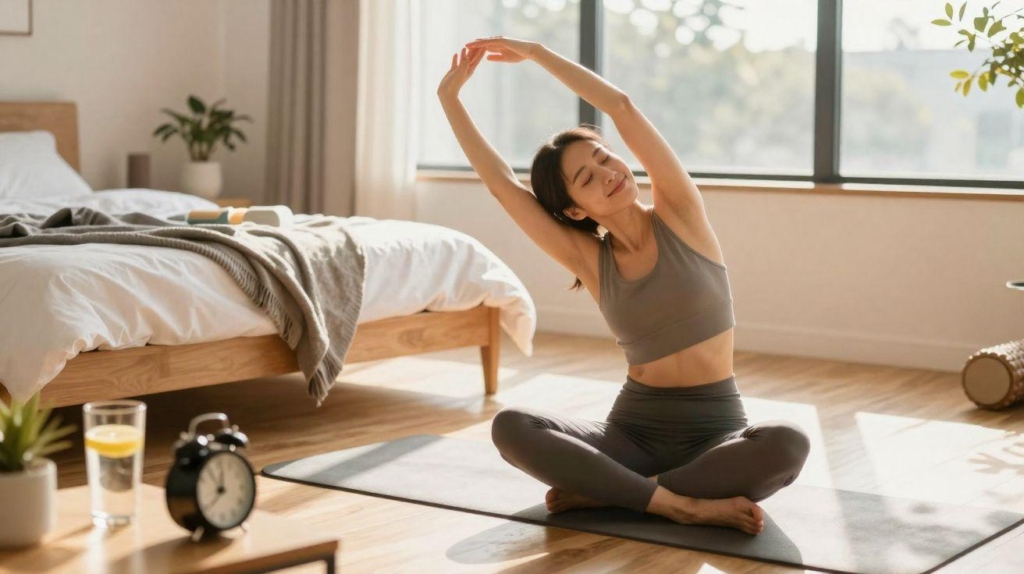
5. Breaks Up Long Periods of Sitting
A short movement break can be especially useful if your day involves prolonged sitting. Getting up regularly and moving around is an important complement to stretching.
6. Can Be Relaxing
Slow, gentle stretching combined with calm breathing can become a relaxing part of your daily routine, particularly in the evening.
Step-by-Step Planning Guide for a Daily Stretching Routine
Step 1: Choose the Right Time
The best stretching routine is one you can follow consistently.
Consider:
- Morning: Gentle movements can help you start the day.
- Work breaks: Short movement sessions can break up sitting.
- Before exercise: Use appropriate dynamic movements to prepare for activity.
- After exercise: Gentle stretching can be included as part of your cooldown.
- Evening: Slow stretches can become part of a relaxing bedtime routine.
Start with just 5–10 minutes rather than trying to create a long routine immediately.
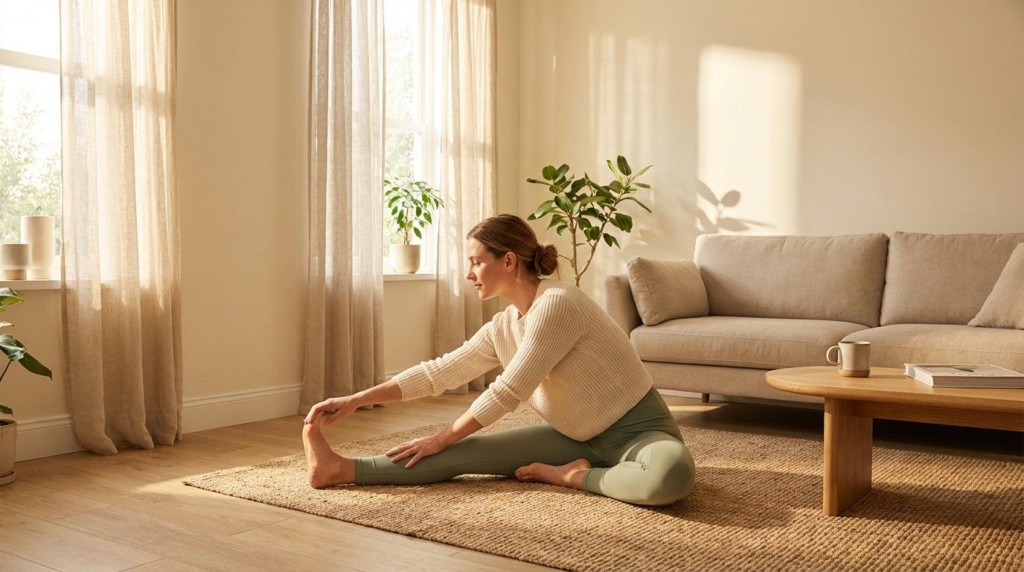
Step 2: Create a Comfortable Space
You don’t need a gym or expensive equipment.
A small area with enough room to move safely is usually sufficient. A yoga or exercise mat can provide extra comfort, particularly for floor-based stretches.
Keep the environment free of obstacles so you can move without tripping or bumping into furniture.
Step 3: Warm Up Before Deeper Stretching
Avoid jumping directly into intense stretches when your muscles are cold.
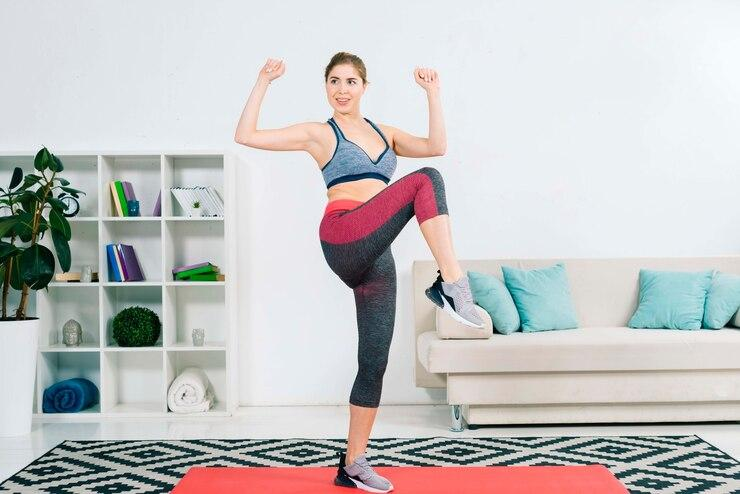
Start with several minutes of easy movement, such as:
- Walking around the room
- Marching in place
- Gentle arm movements
- Shoulder rolls
- Easy leg movements
The purpose is simply to get your body moving before attempting more demanding stretches.
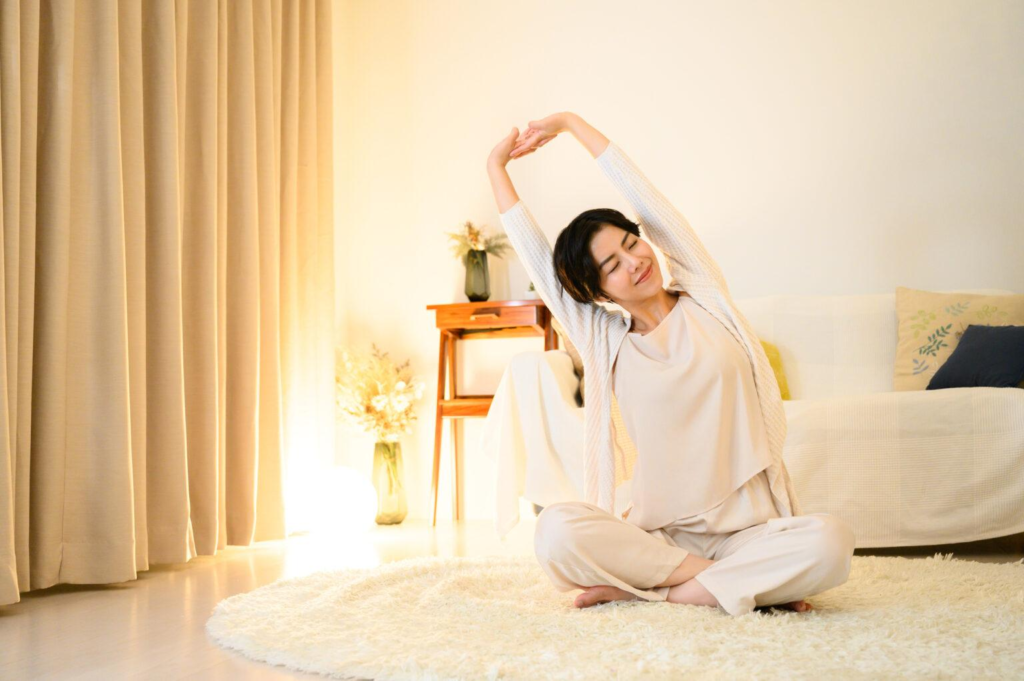
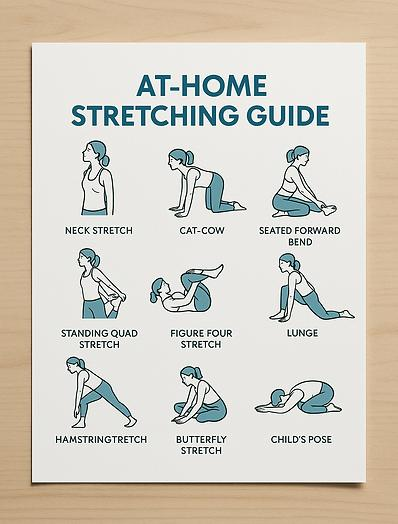
Step 4: Start With Major Muscle Groups
Build your routine around areas that commonly need movement.
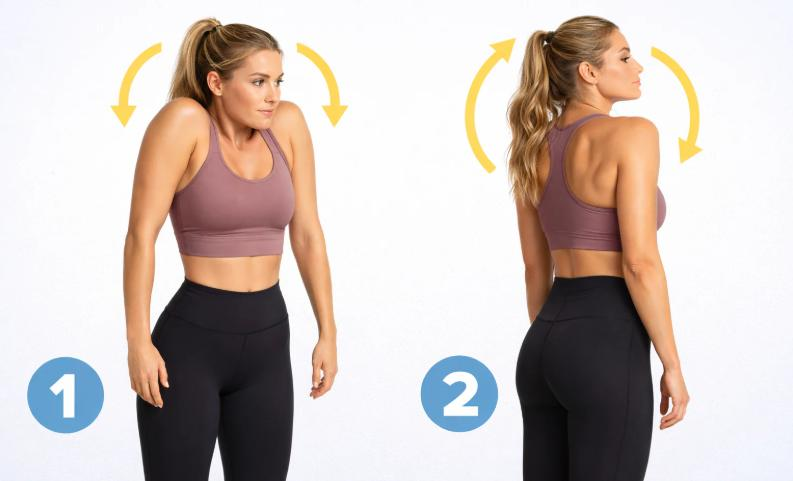
Neck and Shoulders
Slowly move your head from side to side without forcing the range of motion. Follow with gentle shoulder rolls.
Avoid aggressively pulling or rotating your neck.
Chest and Upper Back
A gentle chest-opening movement can be useful after periods of sitting. You can also use controlled upper-back movements to encourage comfortable mobility.
Arms
Extend one arm across your body and gently support it with the opposite arm. Keep the movement comfortable rather than forcing your elbow or shoulder.
Hips
Gentle hip movements can be particularly useful if you spend a lot of time sitting.
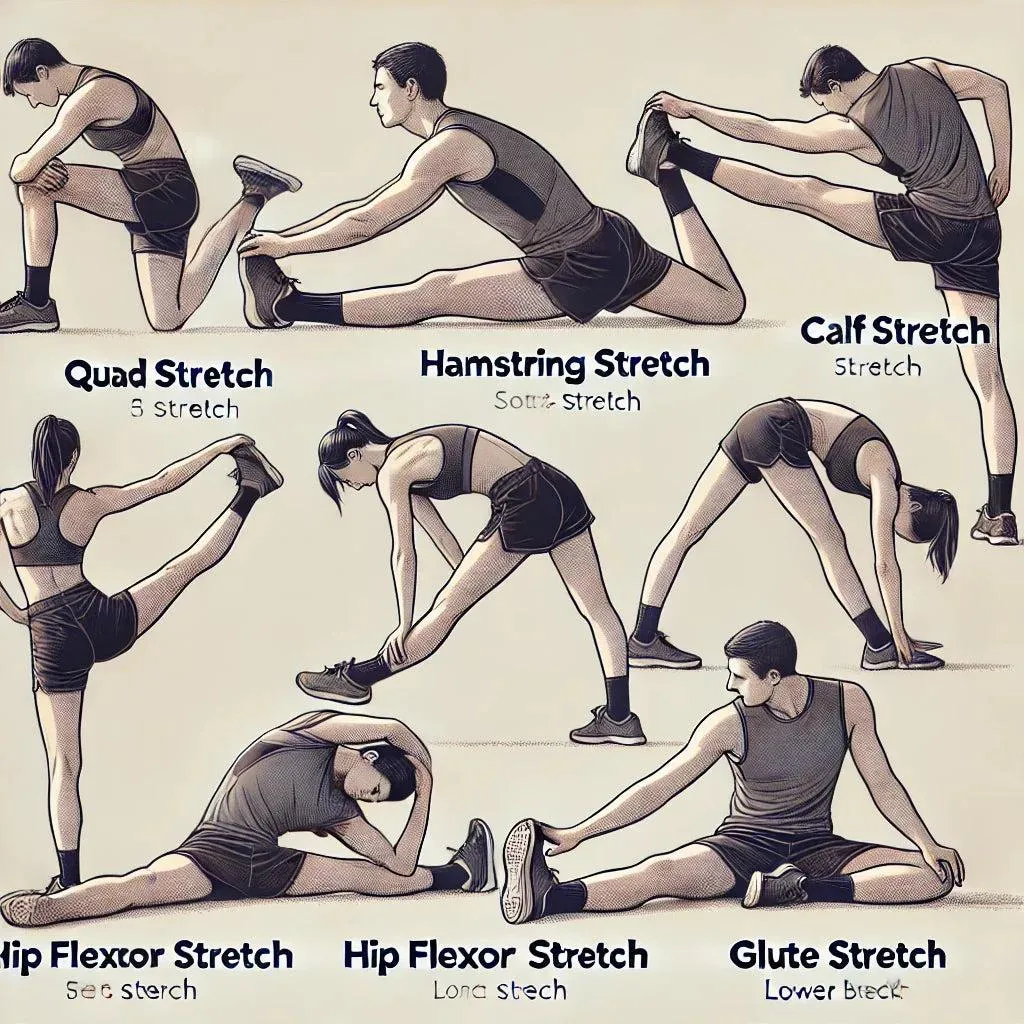
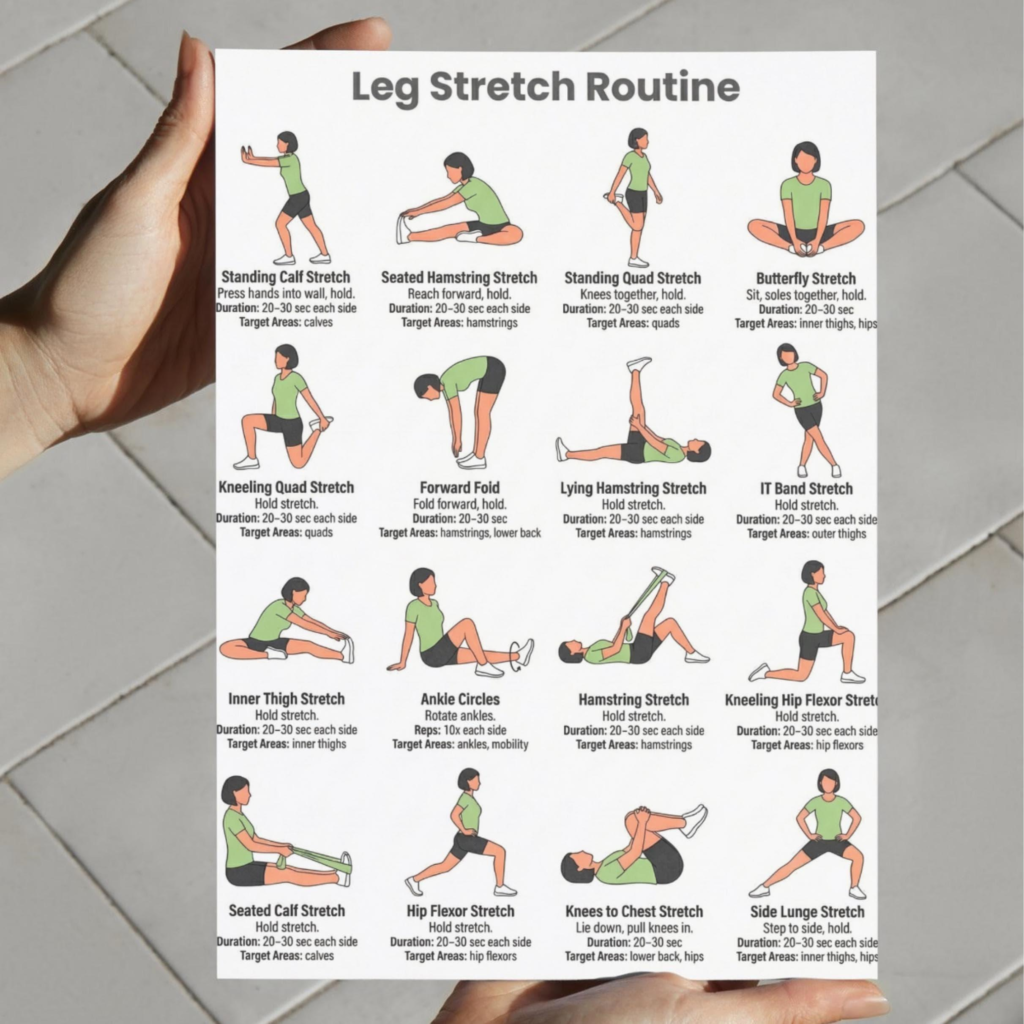
Try controlled hip circles or comfortable hip-flexor stretches.
Hamstrings
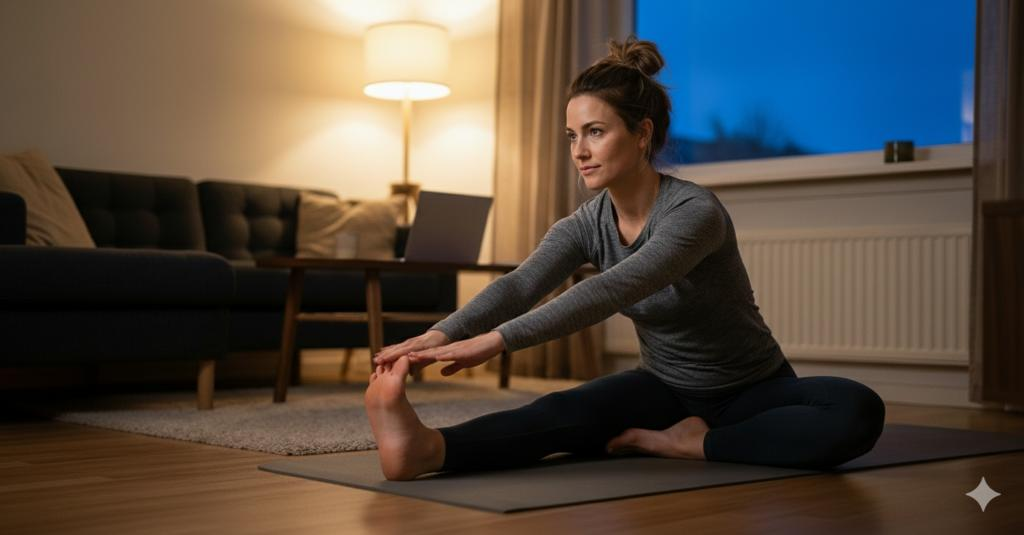
Sit or stand comfortably and extend one leg. Hinge gently from your hips rather than rounding aggressively through your back.
Calves
Stand facing a wall and place one foot behind you. Keep the back heel grounded while gently shifting your weight forward.
Quadriceps
If your balance is good, stand and gently bring one heel toward your body while keeping your knees relatively close together. Hold onto a stable surface if needed.
Step 5: Hold Gentle Static Stretches
For many general flexibility routines, a comfortable static stretch can be held for around 15–30 seconds.
You should feel gentle tension, not sharp pain.
Avoid bouncing or forcing your body farther than it comfortably wants to go.
Step 6: Breathe Normally
Don’t hold your breath while stretching.
Instead, breathe slowly and naturally. Relax your shoulders and try to avoid unnecessary tension.
If you find yourself grimacing, holding your breath, or fighting against the stretch, reduce the intensity.
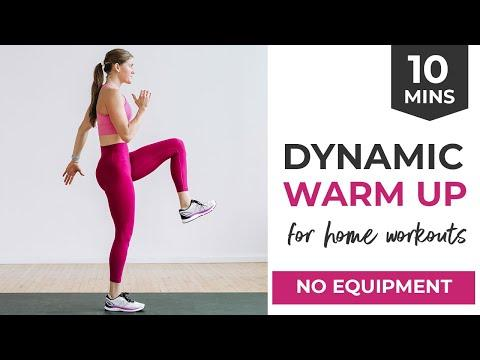
Step 7: Add Dynamic Stretching When Appropriate
Dynamic stretching involves controlled movement rather than holding one position.
Examples include:
- Arm circles
- Controlled leg swings
- Walking lunges
- Gentle torso rotations
- Hip movements
Dynamic movements can be particularly useful as part of a warm-up before physical activity.
They should be controlled rather than fast, jerky, or forceful.
Step 8: Build a Weekly Routine
You don’t need to stretch for an hour every day.
A simple schedule might look like this:
| Day | Routine |
|---|---|
| Monday | 10-minute full-body stretch |
| Tuesday | 5-minute mobility break |
| Wednesday | 10-minute full-body stretch |
| Thursday | Gentle morning mobility |
| Friday | 10-minute stretching routine |
| Saturday | Stretch after a walk or workout |
| Sunday | Gentle relaxation-focused stretching |
The exact schedule can be adjusted to your lifestyle and physical activity.
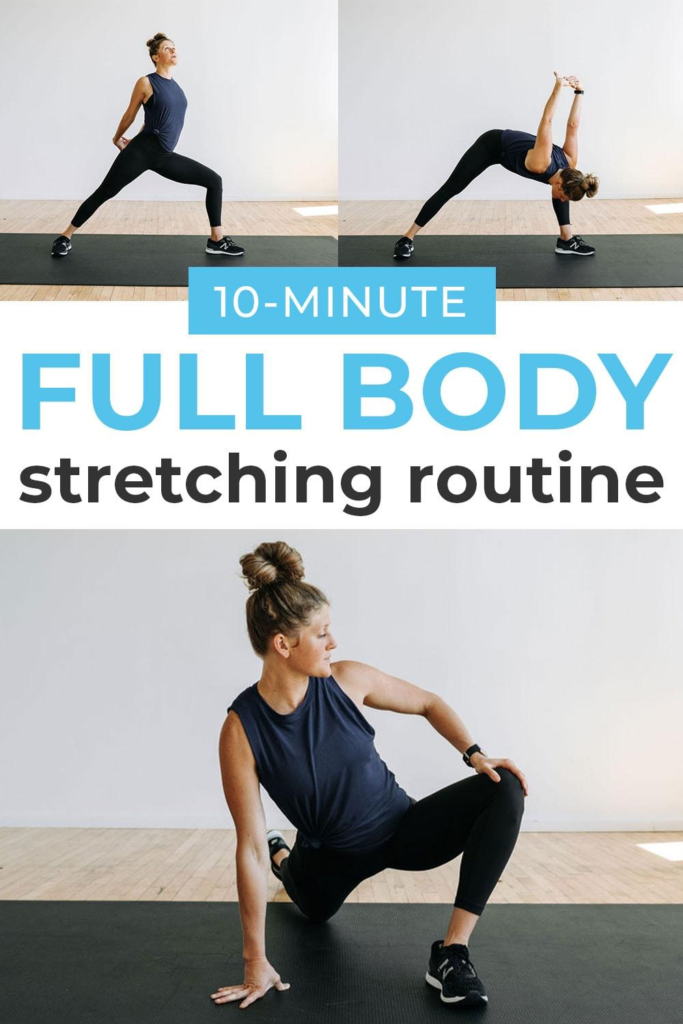
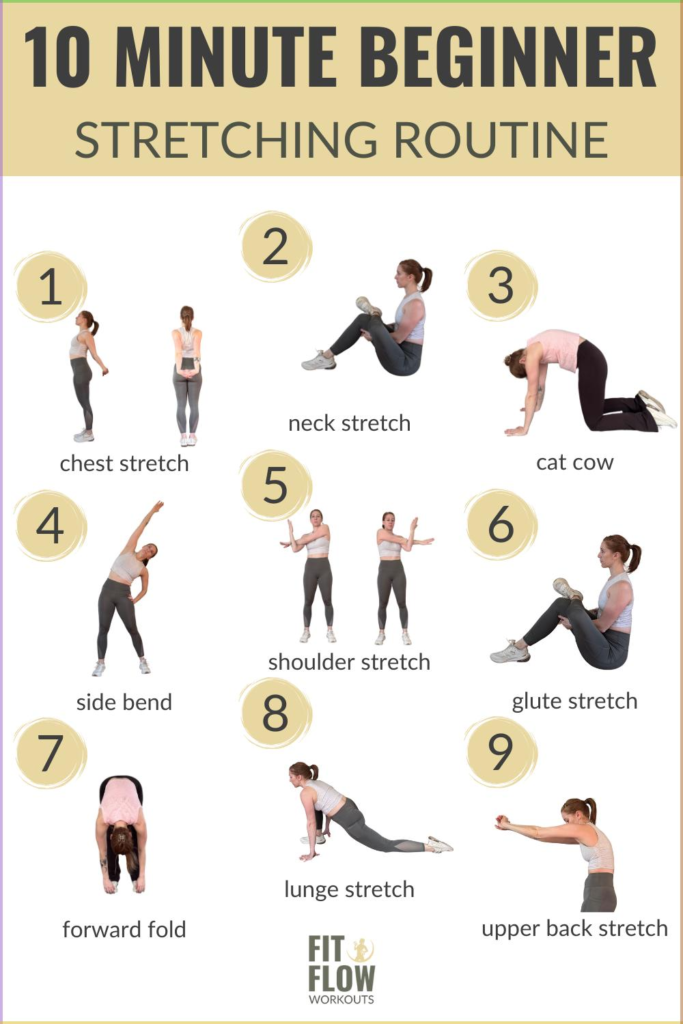
A Simple 10-Minute Stretching Routine
Here’s an easy framework for beginners:
Minute 1: Gentle Warm-Up
March slowly in place and move your arms.
Minute 2: Shoulder Rolls
Perform slow shoulder rolls in both directions.
Minute 3: Chest and Upper Back
Use gentle movements to open the chest and move the upper back.
Minute 4: Side Stretch
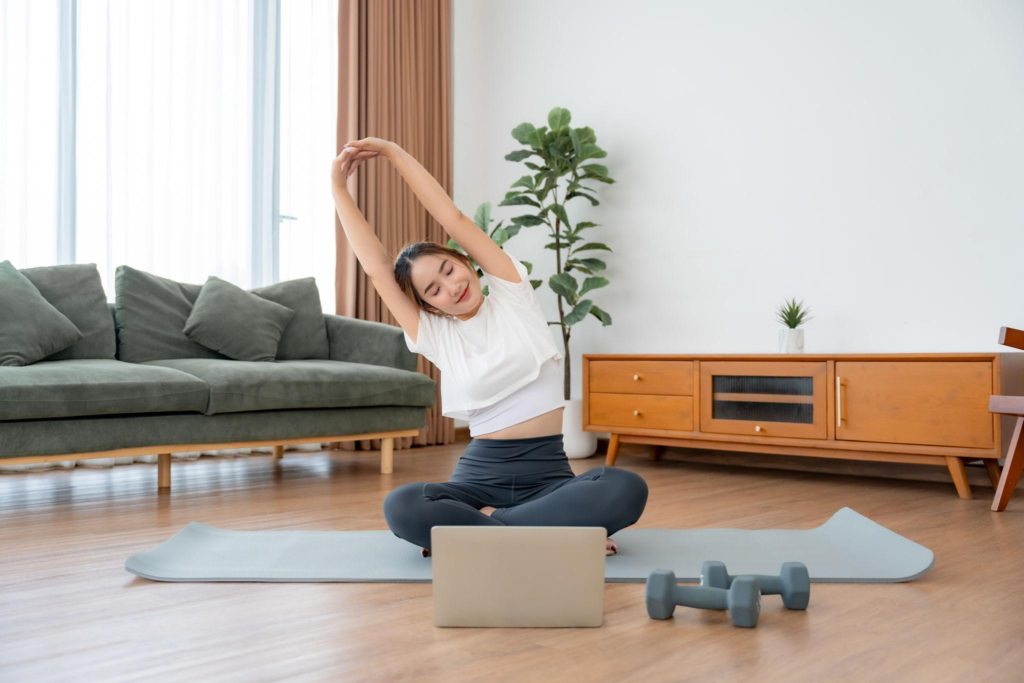
Reach one arm overhead and gently lean to the opposite side. Repeat on the other side.
Minute 5: Hip Mobility
Perform slow, controlled hip movements.
Minute 6: Hamstring Stretch
Gently stretch one leg at a time.
Minute 7: Quadriceps Stretch
Perform a gentle standing quadriceps stretch, using support if necessary.
Minute 8: Calf Stretch
Stretch each calf against a wall or other stable surface.
Minute 9: Gentle Full-Body Movement
Move your arms, legs, and torso comfortably.
Minute 10: Slow Breathing
Finish with comfortable movement and relaxed breathing.
Remember: this is a general routine, not a personalized exercise prescription. Your ideal routine may need to be modified based on your fitness level, mobility, age, injuries, or health conditions.
Common Stretching Mistakes to Avoid
❌ Stretching Through Pain
Stretching should not cause sharp, severe, or worsening pain. Stop if something hurts.
❌ Bouncing
Avoid bouncing aggressively while holding a stretch. Controlled movement is generally a better approach.
❌ Holding Your Breath
Keep breathing naturally throughout the exercise.
❌ Comparing Yourself With Others
Flexibility varies considerably from person to person. You don’t need to touch your toes or perform advanced poses to benefit from regular movement.
❌ Doing Too Much Too Soon
Start gradually and allow your body time to adapt.
❌ Ignoring Balance and Safety
If a stretch requires standing on one leg, use a stable surface for support when necessary.
How to Make Stretching a Habit
The biggest challenge isn’t usually learning stretches—it’s remembering to do them.
Try these simple strategies:
- Stretch immediately after brushing your teeth.
- Set a reminder to move during long work sessions.
- Keep your exercise mat visible.
- Stretch while listening to music or a podcast.
- Pair stretching with your morning or evening routine.
- Start with five minutes.
- Track your consistency rather than how flexible you are.
The goal is to make movement feel like a normal part of your day.
When Should You Be Careful?
Stretching isn’t appropriate for every situation.
If you have a significant injury, recent surgery, persistent joint pain, unexplained pain, or a medical condition that affects movement, speak with an appropriate healthcare professional before beginning a new stretching program.
Stop exercising and seek medical advice if you experience significant pain, dizziness, unusual weakness, numbness, or other concerning symptoms.
Conclusion
Stretching can be a simple and accessible addition to a healthier lifestyle. By spending just a few minutes each day moving your body gently and consistently, you can work on flexibility, mobility, body awareness, and comfortable movement.
You don’t need advanced poses or expensive equipment. Start with a few basic stretches, focus on controlled movements and comfortable tension, and gradually build a routine that fits your lifestyle.
The best stretching routine is one you can perform safely and consistently.
Frequently Asked Questions
1. How often should I stretch?
For general flexibility, regular practice is more important than having one very long session. A short routine performed consistently can be a practical starting point.
2. Is stretching every day okay?
Gentle stretching can be included frequently, provided it feels comfortable and does not aggravate pain or injury. Intensity and frequency should be adjusted according to your individual needs.
3. Should I stretch before or after exercise?
It depends on the type of stretching. Controlled dynamic movements are commonly used during warm-ups, while gentle static stretching is often included after activity or during separate flexibility sessions.
4. How long should I hold a stretch?
For many general static stretches, around 15–30 seconds is a reasonable starting point. Avoid forcing the stretch.
5. Can stretching help with stiffness from sitting?
Gentle movement and stretching can be useful for breaking up periods of sitting and helping you move more comfortably. Regularly getting up and walking around is also important.
6. Can beginners start stretching at home?
Yes. Many basic stretches require little or no equipment. Begin with simple movements in a safe, uncluttered space and progress gradually.
7. Should stretching hurt?
No. You may feel mild tension, but sharp or significant pain is a warning to stop or reduce the intensity.
8. Can stretching improve posture?
Stretching alone isn’t a complete solution for posture. However, combining mobility work with strengthening, regular movement, and good ergonomic habits can support comfortable body positioning.
9. What is the best time of day to stretch?
There isn’t one universally best time. Choose a time when you’re most likely to be consistent—morning, during a work break, after exercise, or in the evening.
10. Do I need a yoga mat to stretch?
No. A mat can make floor exercises more comfortable, but many stretches can be performed safely without one.