
Introduction
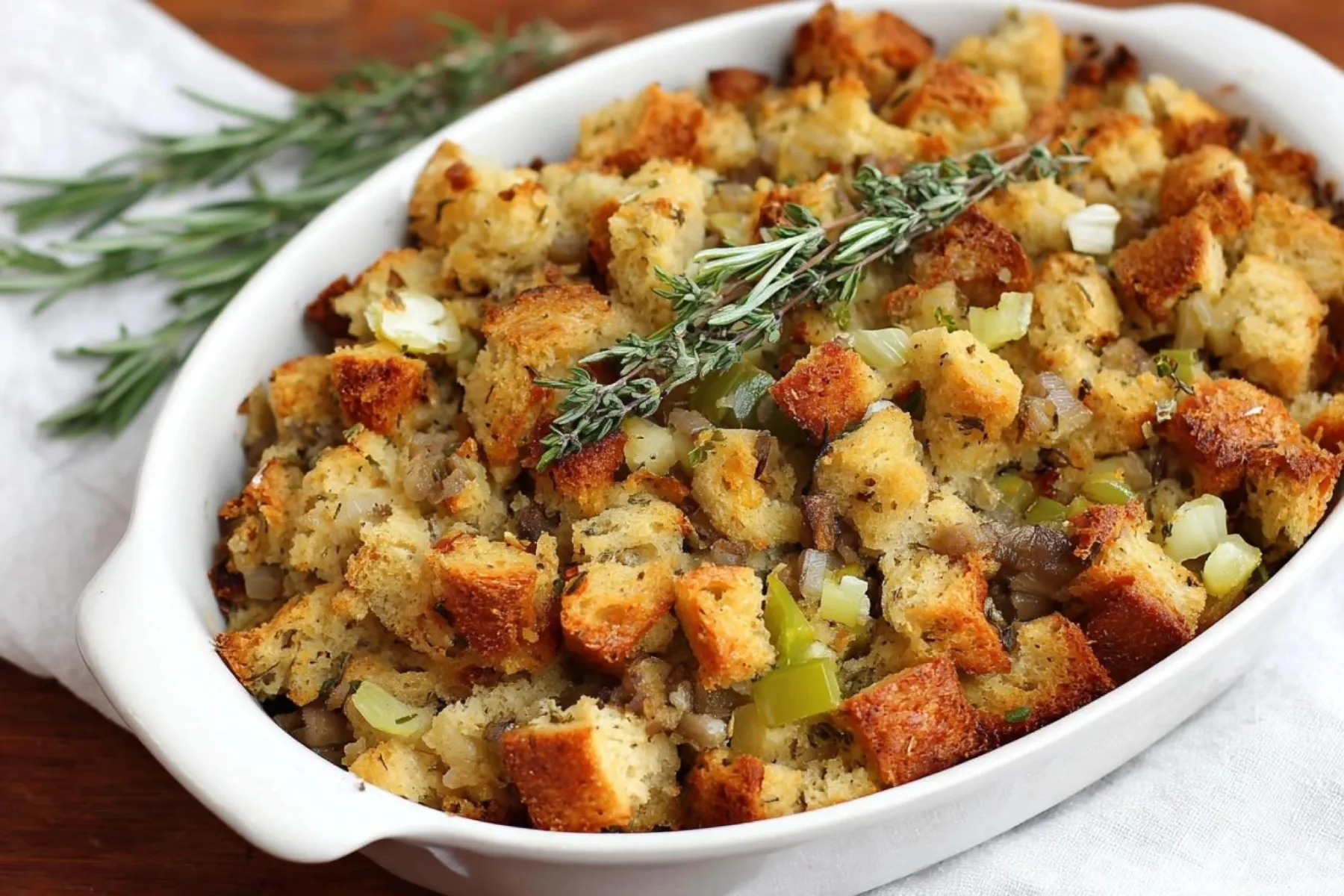
Thanksgiving dinner wouldn’t feel complete without a warm, savory dish of stuffing on the table. With crispy golden edges, soft seasoned bread in the center, sautéed vegetables, fragrant herbs, and plenty of comforting flavor, stuffing is one of the most beloved holiday side dishes.
If you or your guests avoid gluten, you don’t have to miss out on this classic favorite. This Gluten-Free Thanksgiving Stuffing uses gluten-free bread in place of traditional wheat bread while keeping all the delicious flavors that make stuffing special.
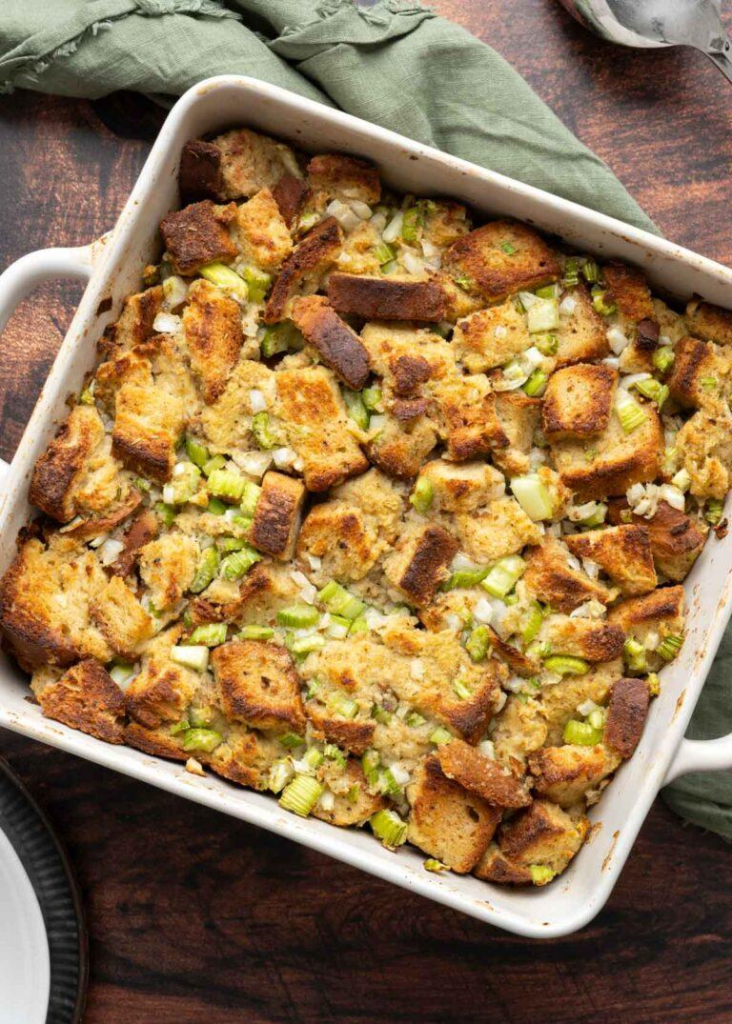
Fresh celery, onion, garlic, sage, thyme, parsley, and vegetable or chicken broth come together with toasted gluten-free bread to create a flavorful stuffing with a crisp top and tender center. It is easy enough for a family dinner and festive enough for Thanksgiving, Christmas, or any holiday gathering.
The most important trick is to make sure the gluten-free bread is sufficiently dried or toasted before adding the broth. This helps the bread absorb the flavorful liquid without turning mushy.
Let’s make a delicious gluten-free stuffing that everyone at your holiday table can enjoy!
Gluten-Free Thanksgiving Stuffing Recipe
Recipe at a Glance
Prep Time: 20 minutes
Cook Time: 40–45 minutes
Total Time: About 1 hour
Servings: 8–10
Difficulty: Easy
Ingredients
For the Stuffing
- 10 cups cubed gluten-free bread
- 3 tablespoons unsalted butter or olive oil
- 1 medium yellow onion, finely diced
- 3 celery stalks, finely chopped
- 3 cloves garlic, minced
- 1½ teaspoons dried sage
- 1 teaspoon dried thyme
- ½ teaspoon dried rosemary
- ½ teaspoon black pepper
- ¾ teaspoon salt
- 2 tablespoons fresh chopped parsley
- 2½–3 cups gluten-free vegetable or chicken broth
- 2 large eggs, lightly beaten
- ½ cup dried cranberries, optional
- ½ cup chopped pecans or walnuts, optional
Important: If you need the dish to be strictly gluten-free, verify that the bread, broth, seasonings, dried fruit, and other packaged ingredients are specifically labeled gluten-free and avoid cross-contact during preparation.
Step 1: Cube the Gluten-Free Bread
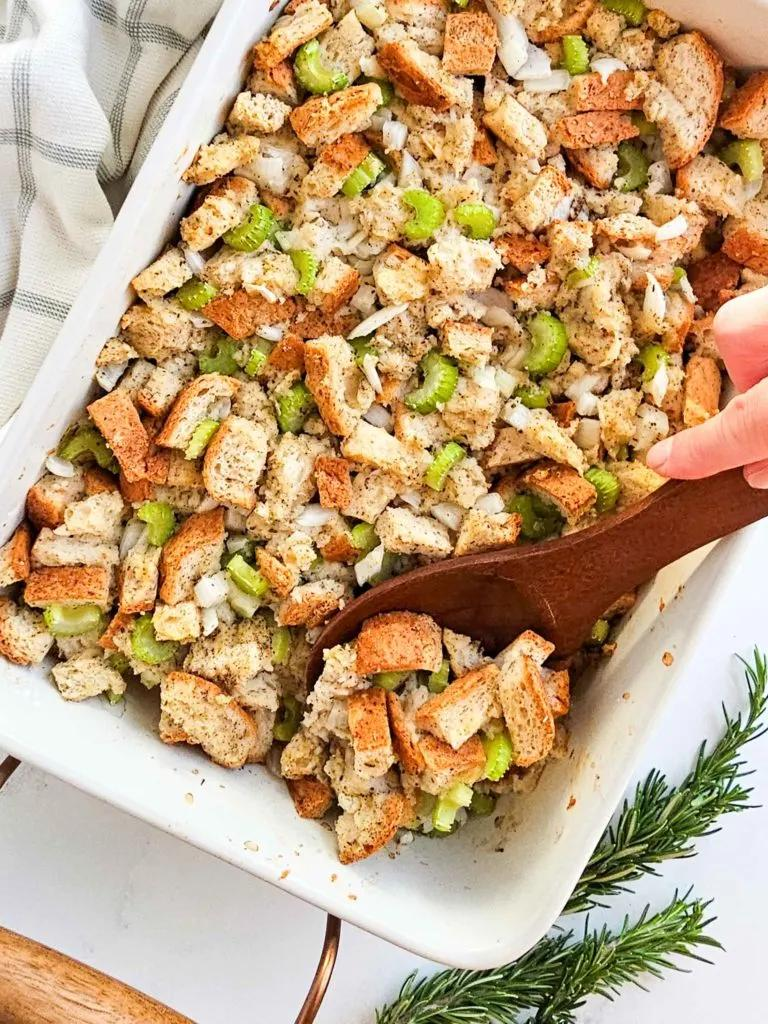
Cut the gluten-free bread into approximately ¾-inch cubes.
Spread the cubes in a single layer across one or two large baking sheets.
The bread should be relatively dry before you add the broth.
Two Ways to Dry the Bread
Overnight method: Leave the bread cubes uncovered at room temperature overnight.
Oven method: Place them in a 275°F (135°C) oven for approximately 20–30 minutes, stirring once or twice, until dry but not deeply browned.
Allow the bread to cool before continuing.
Step 2: Sauté the Vegetables
Heat the butter or olive oil in a large skillet over medium heat.
Add the diced onion and celery.
Cook for approximately 6–8 minutes, stirring occasionally, until the vegetables soften.
Add the minced garlic and cook for another 30–60 seconds.
The vegetables should become fragrant without becoming heavily browned.
Step 3: Add the Herbs
Add sage, thyme, rosemary, salt, and black pepper to the skillet.
Stir well and cook for about 30 seconds.
Fresh herbs can also be used. If substituting fresh herbs, adjust the quantities according to their strength and your taste.
Remove the skillet from the heat.
Stir in the fresh parsley.
Step 4: Combine the Bread and Vegetables
Place the dried gluten-free bread cubes into a very large mixing bowl.
Pour the warm vegetable and herb mixture over the bread.
Add dried cranberries and chopped pecans or walnuts if you’re using them.
Toss gently so the vegetables and seasonings are distributed throughout the bread.
Step 5: Add the Broth
Slowly pour approximately 2½ cups of gluten-free broth over the bread mixture while gently tossing.
The bread should become moist but should still retain some texture.
Add more broth a little at a time if necessary.
How Much Broth Should You Use?
Different gluten-free breads absorb liquid differently.
Some varieties are very absorbent, while others can become soft quickly.
The goal is moist and tender—not wet or soggy.
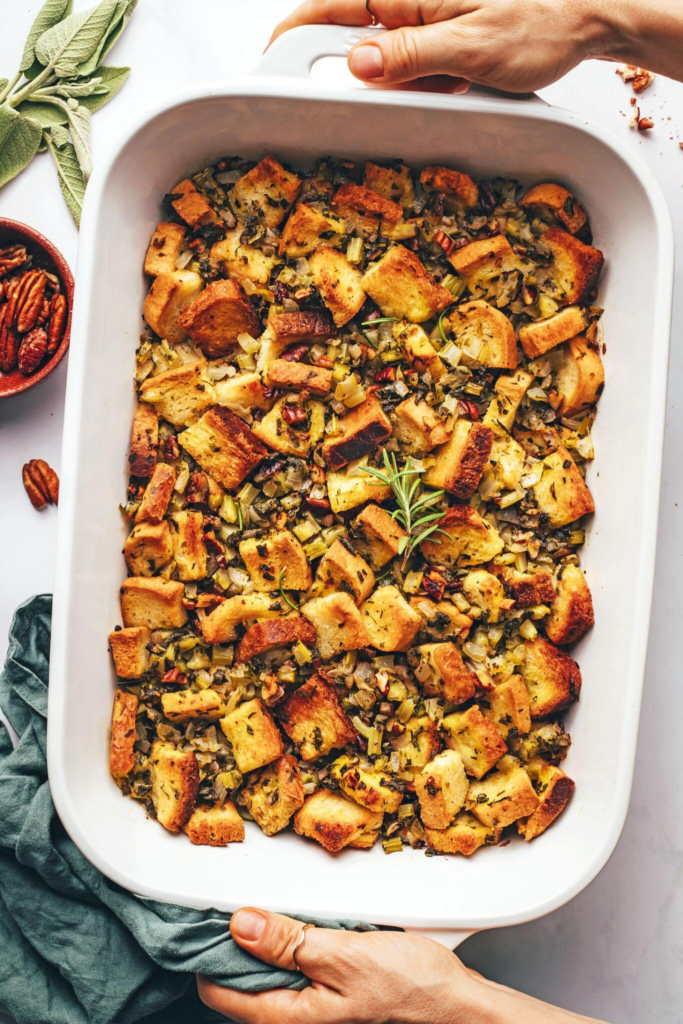
Step 6: Add the Eggs
Allow the stuffing mixture to cool slightly.
Add the lightly beaten eggs and gently fold them into the mixture.
The eggs help bind the stuffing together and contribute to a tender, cohesive texture.
For an egg-free version, you can use a suitable plant-based binder instead.
Step 7: Transfer to the Baking Dish
Preheat the oven to 375°F (190°C).
Lightly grease a 9 × 13-inch baking dish.
Transfer the stuffing mixture into the dish.
Spread it evenly without pressing it down too firmly.
A loose mixture allows the stuffing to develop a better texture.
Step 8: Bake the Stuffing
Cover the baking dish loosely with aluminum foil.
Bake for approximately 25 minutes.
Remove the foil and continue baking for another 15–20 minutes, or until the top becomes golden brown and crisp.
If you prefer an especially crunchy top, bake uncovered for a few additional minutes.
The center should be hot and tender while the top develops delicious crispy edges.
Step 9: Rest Before Serving
Remove the stuffing from the oven.
Let it rest for approximately 5–10 minutes.
This gives the stuffing time to settle and makes it easier to serve.
Sprinkle additional fresh parsley over the top for color and freshness.
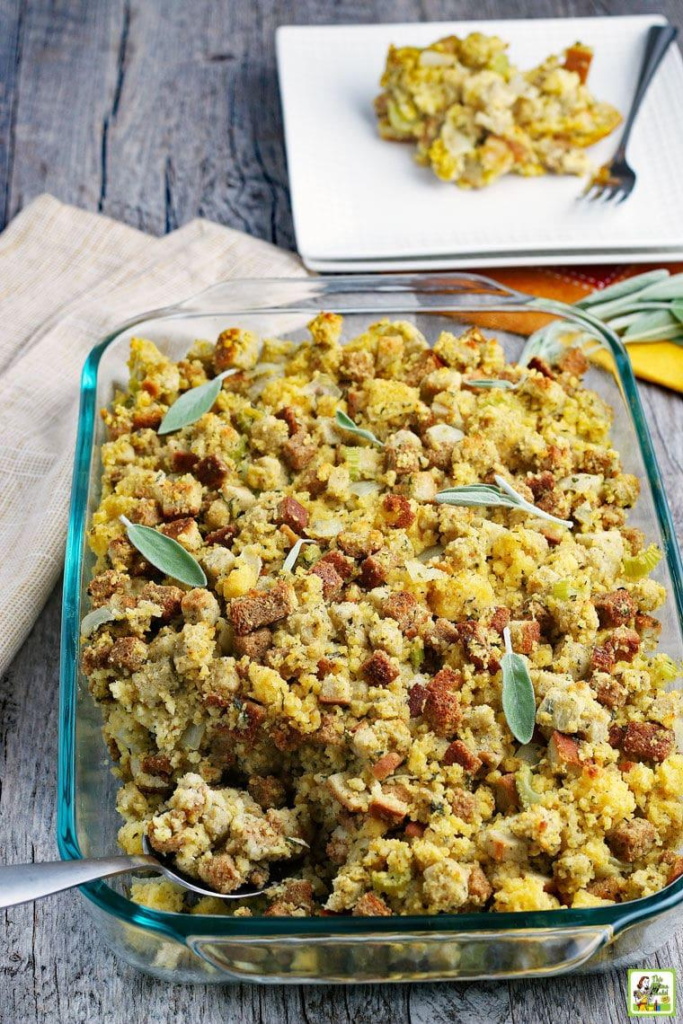
Step 10: Serve
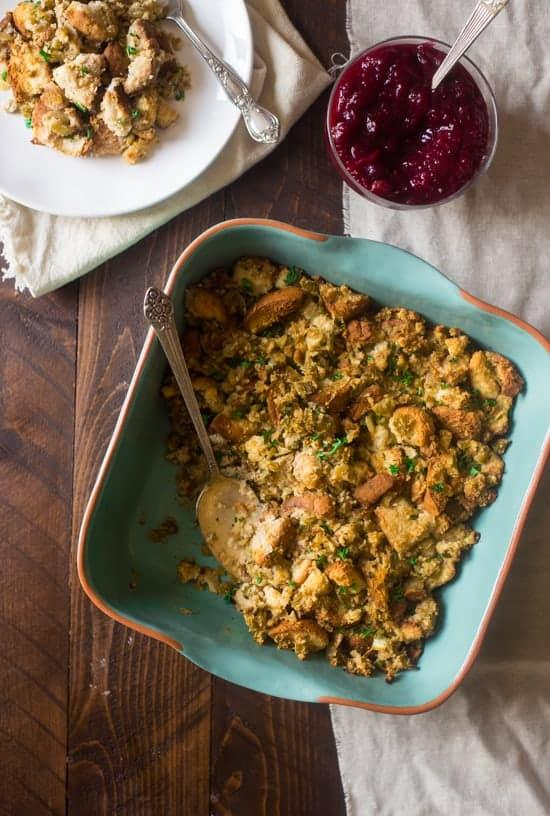
Spoon the warm stuffing onto individual plates or serve it directly from the casserole dish.
It pairs beautifully with classic Thanksgiving favorites such as:
- Roast turkey
- Mashed potatoes
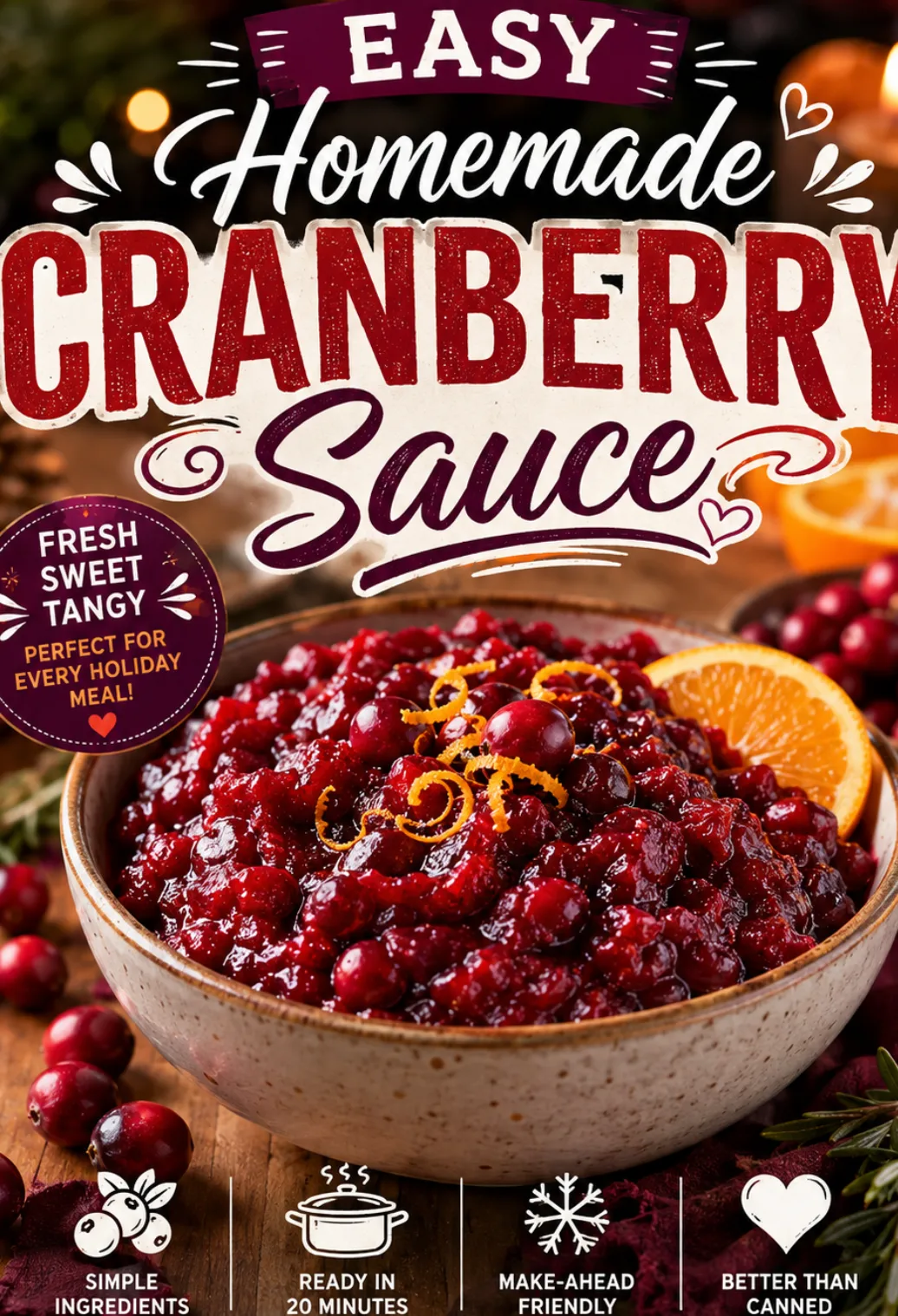
- Cranberry sauce
- Green beans
- Roasted carrots
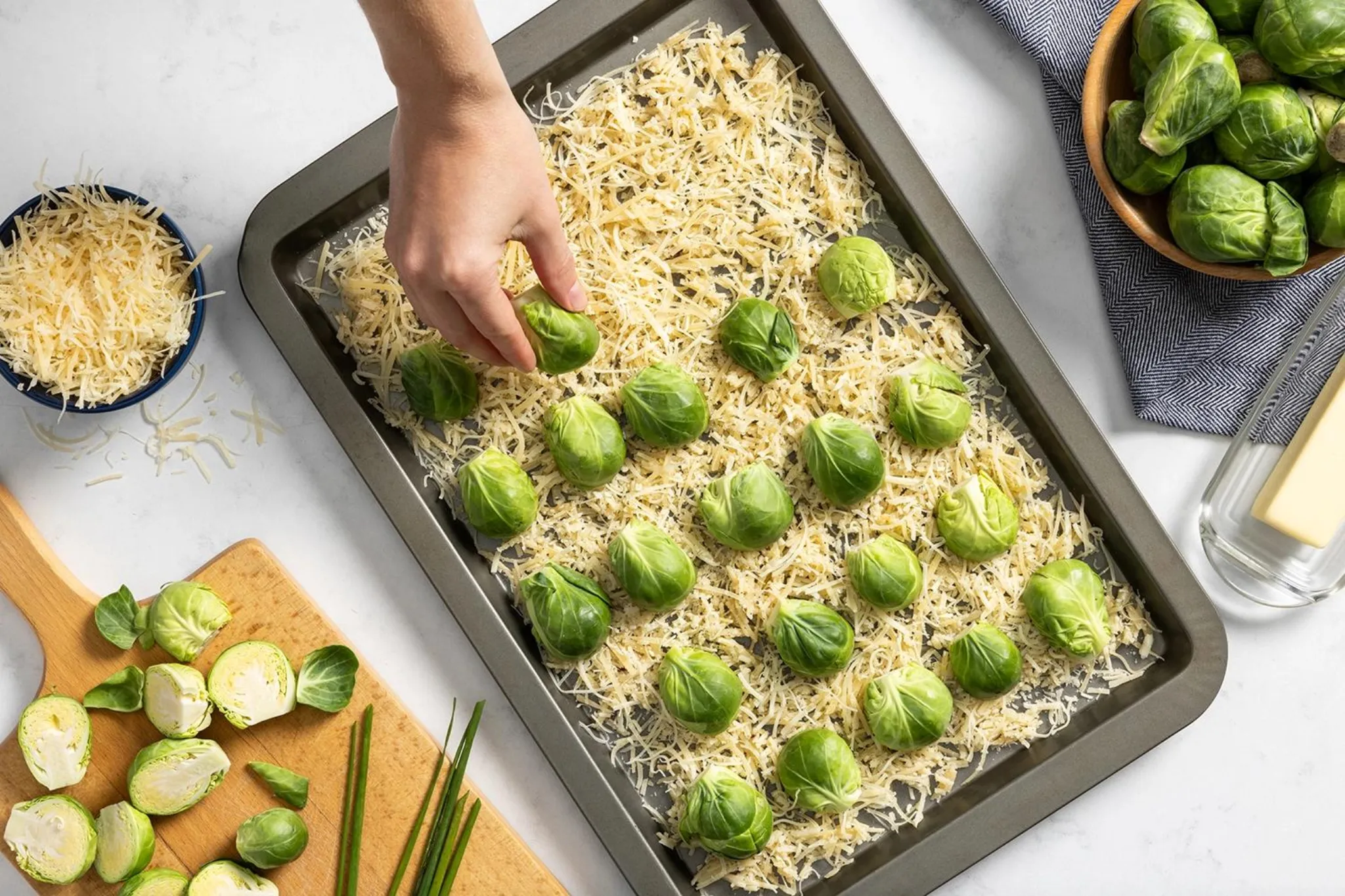
- Brussels sprouts
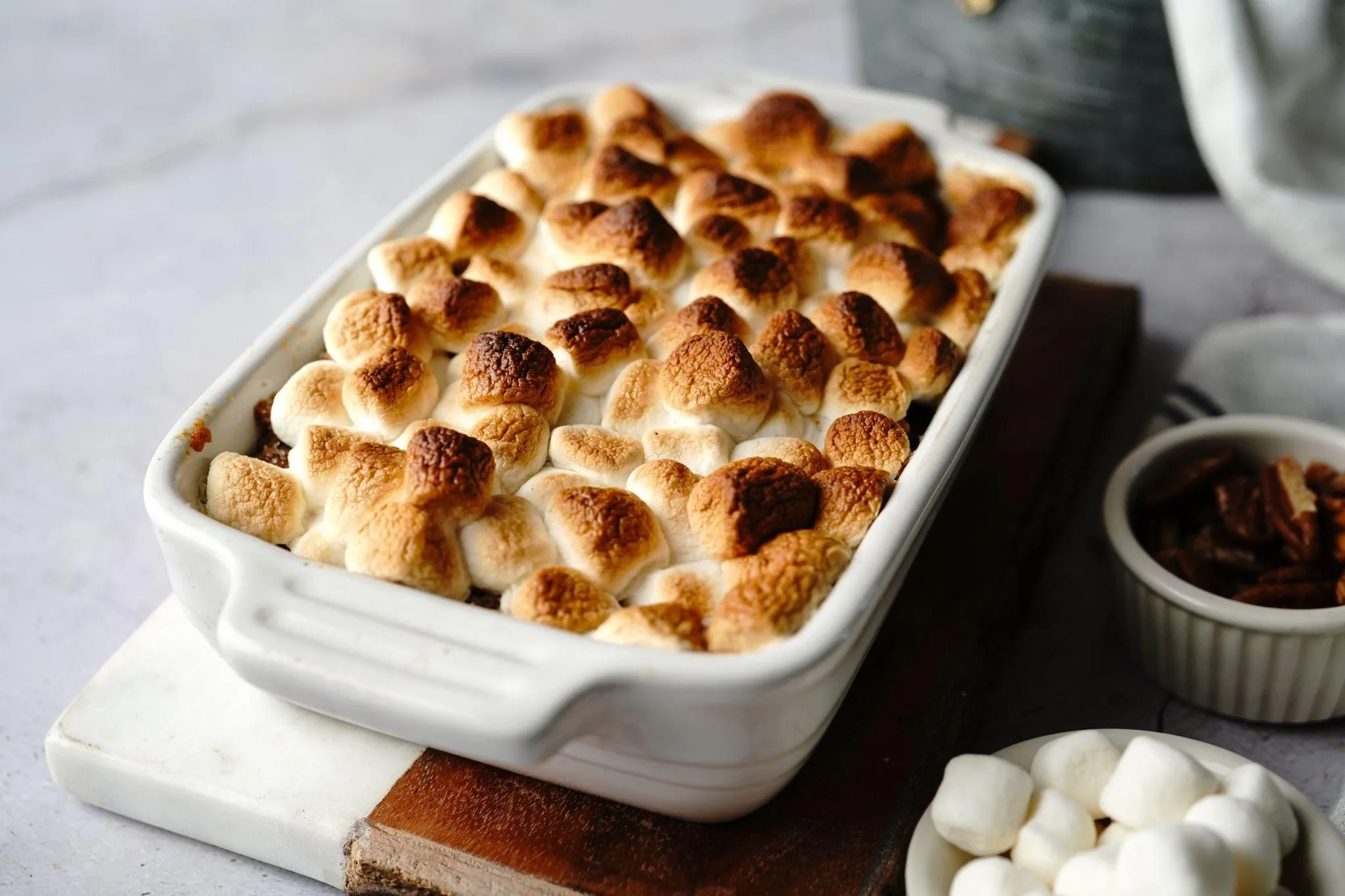
- Sweet potatoes
- Gluten-free gravy
Tips for the Best Gluten-Free Stuffing
Choose a Good Gluten-Free Bread
A sturdy gluten-free bread generally works better than an extremely soft sandwich loaf.
The bread should be able to absorb broth while retaining enough structure to create a satisfying stuffing texture.
Dry the Bread Properly
This is one of the most important steps.
Fresh gluten-free bread can become overly soft when combined with broth. Drying the cubes first allows them to absorb flavor without immediately falling apart.
Don’t Add All the Broth at Once
Start with less broth and gradually add more.
You can always add additional liquid, but it is much harder to fix stuffing that has become too wet.
Don’t Overmix
Toss the bread gently. Excessive mixing can break the bread cubes apart and create a dense texture.
Don’t Pack the Dish Too Tightly
Spread the stuffing loosely in the baking dish so heat can circulate and the top can become crisp.
Delicious Gluten-Free Stuffing Variations
Apple & Sage Stuffing
Add 1–2 cups of diced apple to the sautéed vegetables for a lightly sweet, autumn-inspired flavor.
Cranberry Pecan Stuffing
Dried cranberries and toasted pecans add sweetness, crunch, and beautiful color.
Mushroom Stuffing
Sauté sliced mushrooms with the onions and celery for a deeper savory flavor.
Sausage Stuffing
For a meaty version, brown gluten-free sausage separately and mix it into the stuffing before baking.
Always check that the sausage is certified or clearly labeled gluten-free if gluten avoidance is essential.
Herb-Loaded Stuffing
Add fresh sage, thyme, rosemary, and parsley for an especially fragrant holiday stuffing.
How to Make Stuffing Vegetarian
Use gluten-free vegetable broth and butter or olive oil.
Make sure any packaged seasonings are gluten-free.
For a richer vegetarian stuffing, add sautéed mushrooms, roasted garlic, chopped pecans, or caramelized onions.
How to Make Stuffing Vegan
To make this recipe vegan:
- Replace butter with olive oil or vegan butter.
- Use gluten-free vegetable broth.
- Replace eggs with a suitable plant-based binder.
- Check every packaged ingredient for animal-derived ingredients as needed.
The result can still be hearty, savory, and festive.
Can You Make Gluten-Free Stuffing Ahead?
Yes!
Preparing stuffing ahead of time can make Thanksgiving much easier.
You can:
- Cube and dry the bread a day or two ahead.
- Chop the vegetables ahead of time.
- Prepare the sautéed vegetable mixture in advance.
- Assemble the stuffing several hours before dinner.
- Refrigerate the prepared stuffing until you’re ready to bake it.
If assembling ahead, keep it properly refrigerated and bake until the center is thoroughly hot.
How to Store Leftover Stuffing
Allow leftover stuffing to cool and transfer it to a covered container.
Refrigerate promptly.
For the best quality, use leftovers within a few days.
Reheat individual portions in the microwave or reheat a larger quantity in the oven until hot throughout.
For a crispier texture, reheat uncovered in the oven.
What Makes This Stuffing Gluten-Free?
The recipe replaces traditional wheat-based bread with gluten-free bread.
However, simply using gluten-free bread isn’t enough if you need to strictly avoid gluten. Broth, sausage, seasonings, packaged ingredients, and even shared kitchen equipment can introduce gluten through cross-contact.
Always check ingredient labels and use clean utensils, cutting boards, baking dishes, and preparation surfaces.
Thanksgiving Serving Ideas
Create a beautiful holiday plate by serving the stuffing alongside:
Main Dish: Roast turkey or another favorite entrée
Creamy Side: Mashed potatoes
Fresh Side: Green beans or roasted vegetables
Sweet-Tart Side: Cranberry sauce
Sauce: Gluten-free gravy
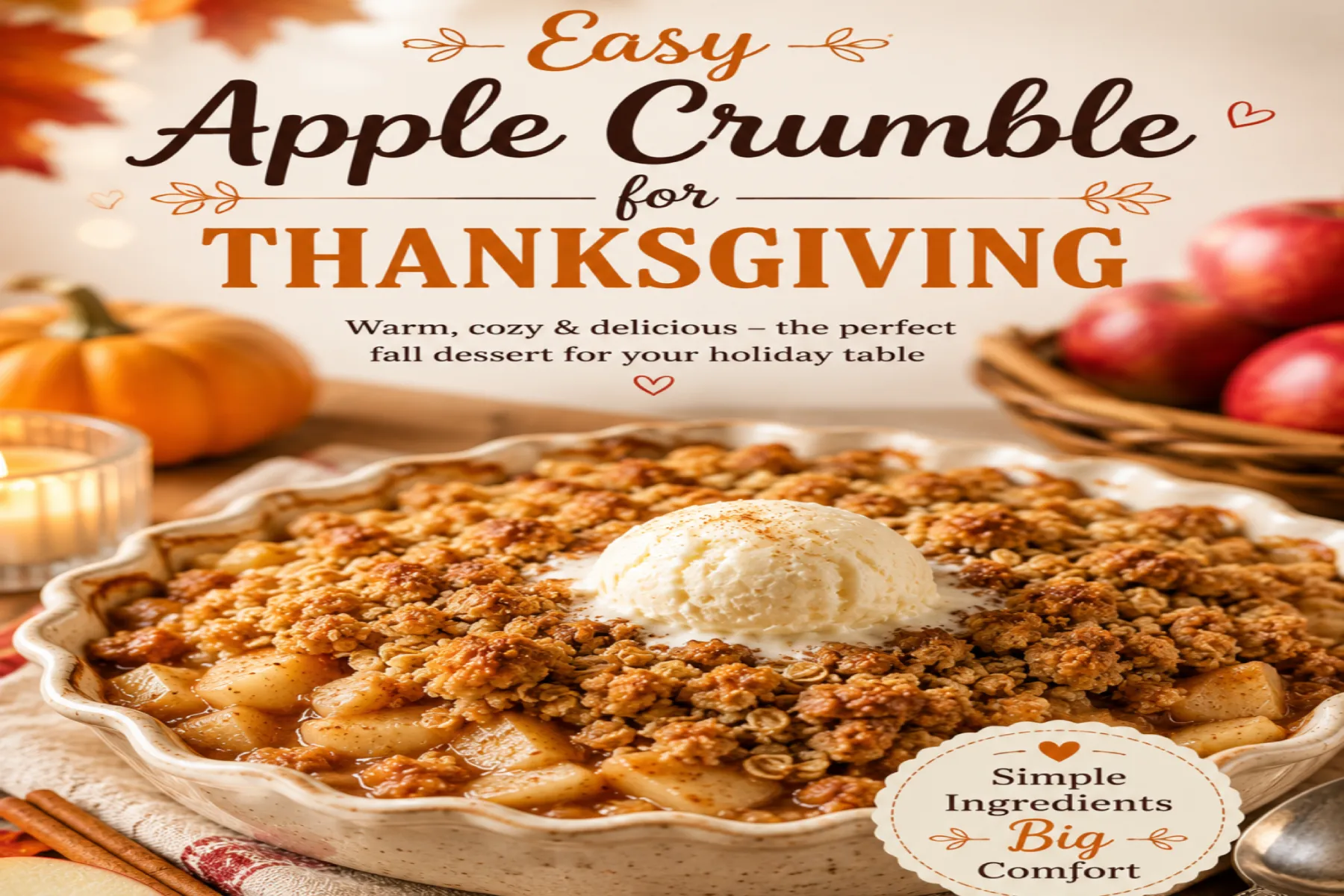
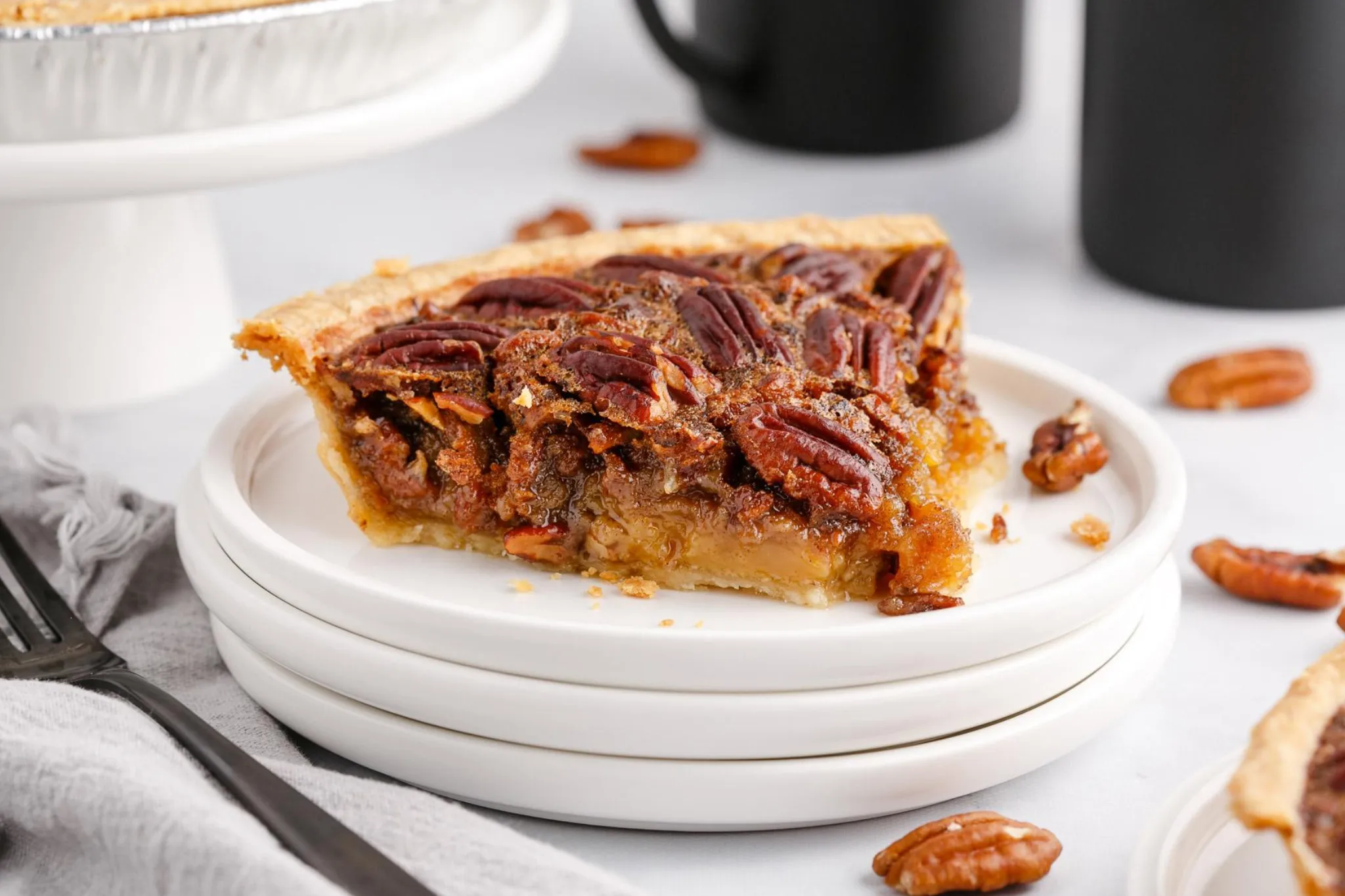
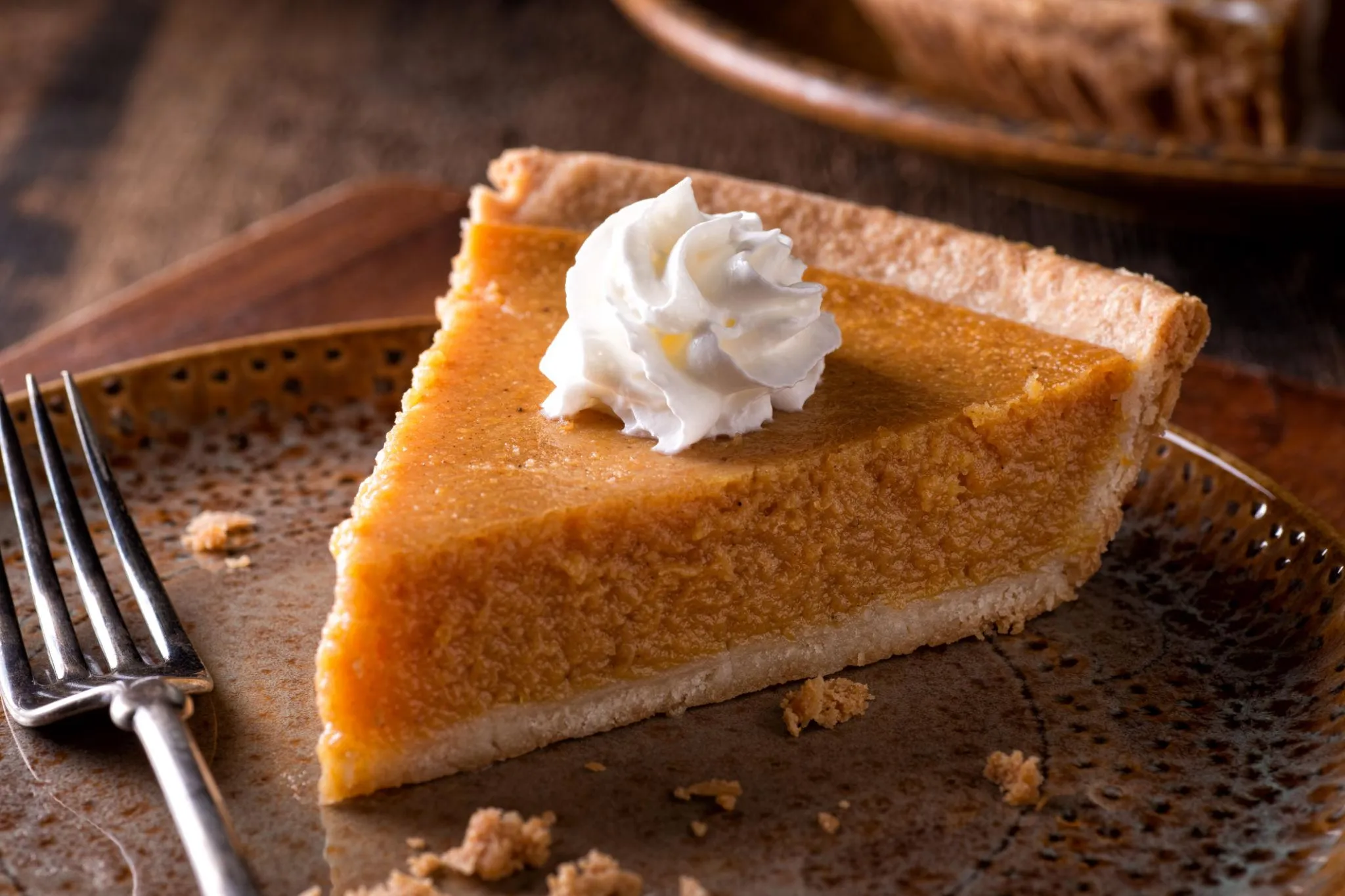
Dessert: Gluten-free pumpkin pie or apple crisp
The combination of creamy, crispy, savory, sweet, and tangy flavors makes the meal feel complete.
Conclusion
This Gluten-Free Thanksgiving Stuffing proves that avoiding gluten doesn’t mean giving up one of the most comforting dishes on the holiday table. With toasted gluten-free bread, tender onions and celery, fragrant herbs, flavorful broth, and a golden crispy top, this stuffing has everything you want from a classic Thanksgiving side.
The recipe is easy to customize, too. Add mushrooms for extra savoriness, apples for sweetness, cranberries for a festive touch, or pecans for crunch.
Prepare the components ahead of time, bake the stuffing until golden and bubbling, and serve it alongside your favorite Thanksgiving dishes.
With the right gluten-free ingredients and careful attention to cross-contact, everyone at the table can enjoy a warm, flavorful serving of homemade stuffing.
Frequently Asked Questions
1. Can I make stuffing gluten-free?
Yes. The easiest approach is to use a sturdy gluten-free bread and ensure that your broth, seasonings, sausage, and other ingredients are also gluten-free.
2. What type of gluten-free bread is best for stuffing?
A sturdy gluten-free loaf works particularly well. Avoid bread that is extremely soft or moist because it can become mushy when broth is added.
3. Do I need to dry gluten-free bread before making stuffing?
Yes. Drying the bread helps it absorb the broth while retaining its structure. You can dry it overnight or toast it gently in the oven.
4. Why did my gluten-free stuffing become mushy?
The most common reason is adding too much broth or using bread that wasn’t sufficiently dried. Add the broth gradually and stop when the bread is moist but still holds its shape.
5. Can I make this stuffing vegetarian?
Absolutely. Use gluten-free vegetable broth instead of chicken broth. You can also add mushrooms, apples, herbs, or nuts for additional flavor.
6. Can I make this stuffing vegan?
Yes. Use olive oil or vegan butter instead of dairy butter, vegetable broth instead of chicken broth, and a plant-based egg substitute if needed.
7. Can I add sausage?
Yes. Cooked sausage can add excellent savory flavor. If the meal needs to be strictly gluten-free, choose sausage that is specifically labeled gluten-free.
8. Can I prepare gluten-free stuffing the day before?
Yes. You can prepare the bread and vegetables in advance and assemble the stuffing before refrigerating it. Bake it thoroughly before serving.
9. How do I get a crispy top?
Bake the stuffing uncovered for the final 15–20 minutes. You can also leave it uncovered slightly longer if you prefer a darker, crunchier top.
10. Can I freeze leftover stuffing?
Yes. Cool the stuffing completely, place it in a freezer-safe airtight container, and freeze. Thaw it safely in the refrigerator and reheat thoroughly before serving.
11. How can I prevent cross-contact with gluten?
Use gluten-free ingredients and clean preparation surfaces, utensils, cutting boards, pans, and serving tools. Keep the stuffing away from wheat-based bread and other gluten-containing foods during preparation and serving.
12. What goes well with gluten-free Thanksgiving stuffing?
It pairs wonderfully with turkey, mashed potatoes, cranberry sauce, roasted vegetables, Brussels sprouts, sweet potatoes, and gluten-free gravy.

Leave a Reply