Introduction
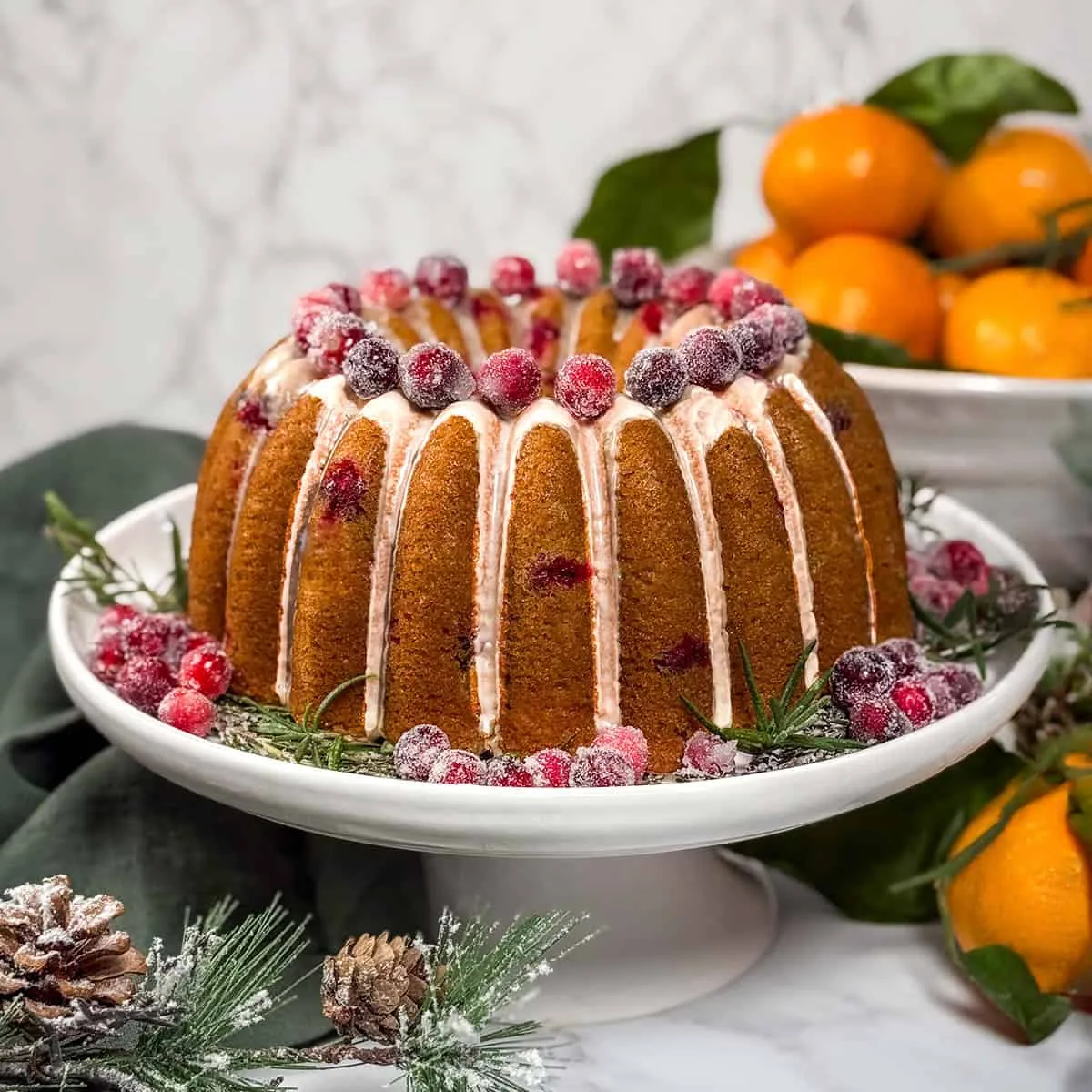
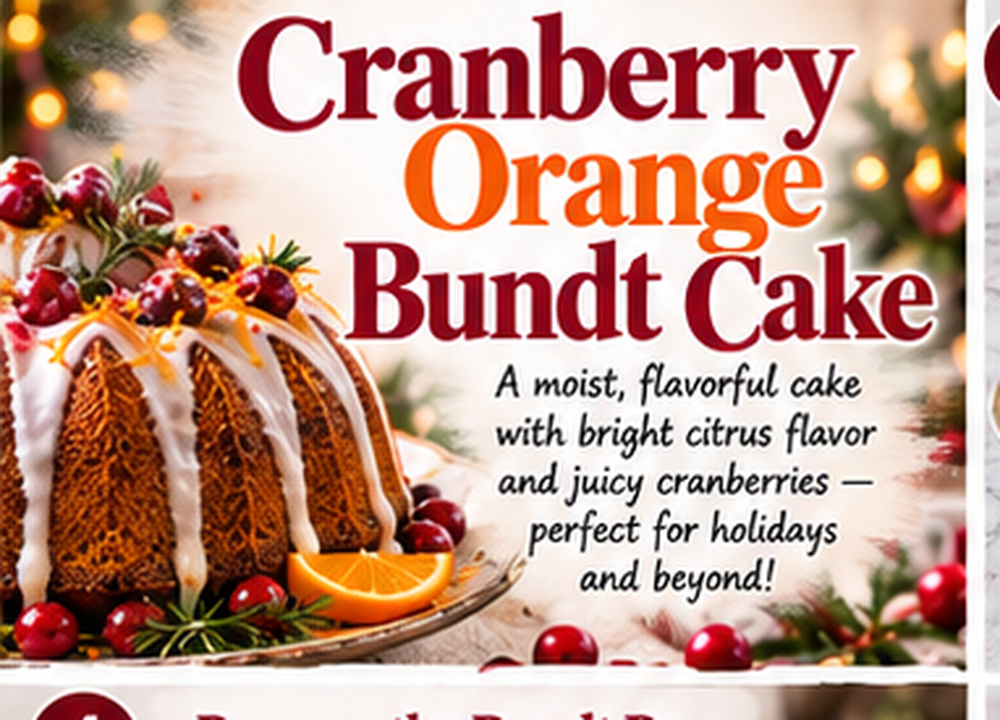
There is something wonderfully festive about the combination of bright orange and tart cranberries. This Cranberry Orange Bundt Cake brings those flavors together in a moist, tender cake that’s perfect for Thanksgiving, Christmas, holiday brunches, afternoon tea, or any cozy gathering.
Fresh orange zest and juice add a fragrant citrus flavor, while fresh or frozen cranberries provide beautiful pops of color and a pleasantly tart contrast to the sweet cake. Baked in a Bundt pan, the cake has an elegant shape that looks impressive on a holiday dessert table without requiring complicated decorating skills.
A simple orange glaze drizzled over the cooled cake adds another layer of citrus sweetness and gives this homemade dessert a beautiful bakery-style finish.
Whether you’re preparing a holiday dessert for guests or simply want to bake something special on a chilly afternoon, this cranberry orange cake is an easy recipe worth saving.
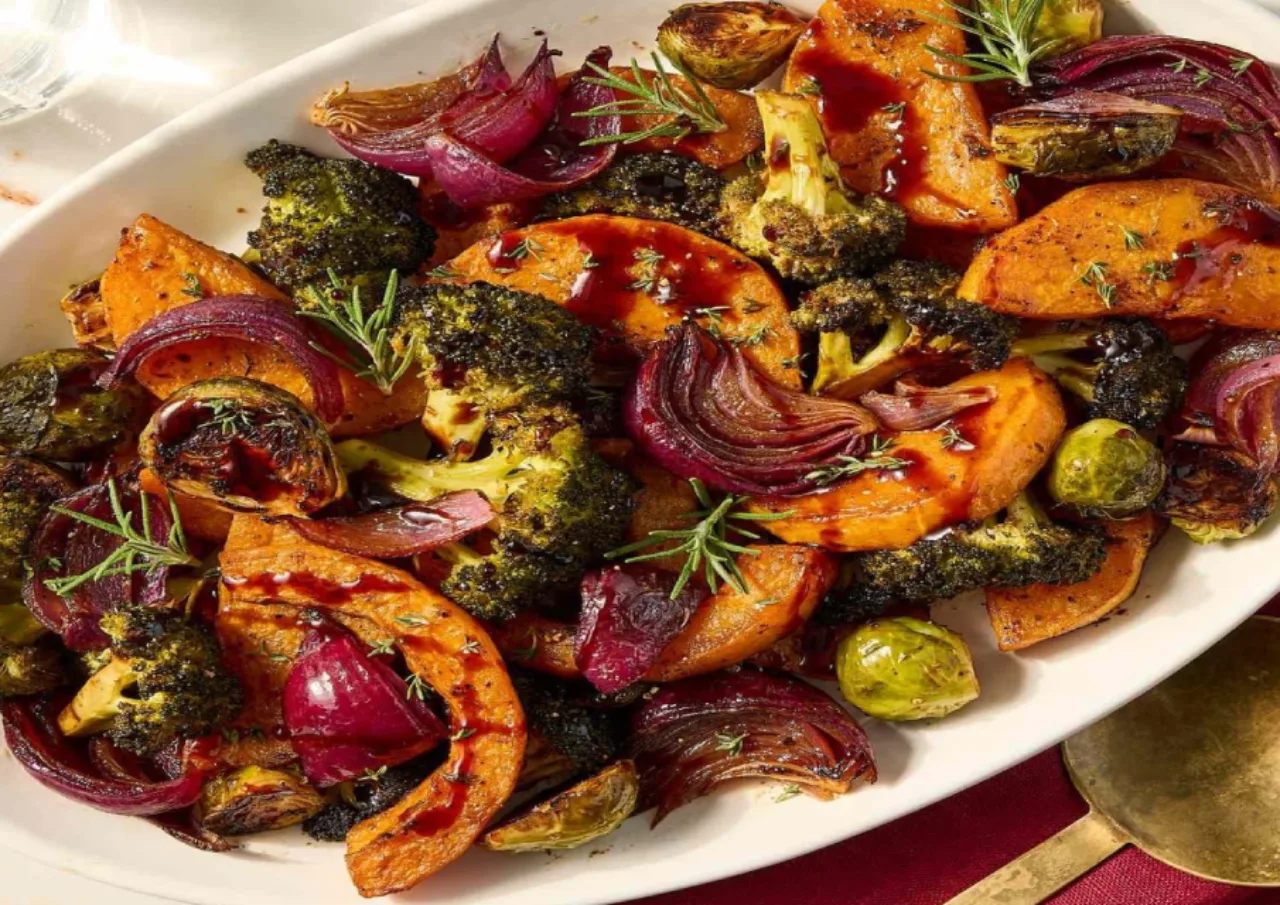
Also Read: Maple-Balsamic Roasted Vegetables
Why You’ll Love This Cranberry Orange Bundt Cake
- Moist and tender crumb
- Bright, fresh orange flavor
- Tart cranberries in every bite
- Beautiful holiday presentation
- Simple orange glaze
- Great for Thanksgiving and Christmas
- Easy to make ahead
- Delicious with coffee or tea
Cranberry Orange Bundt Cake Recipe
Ingredients
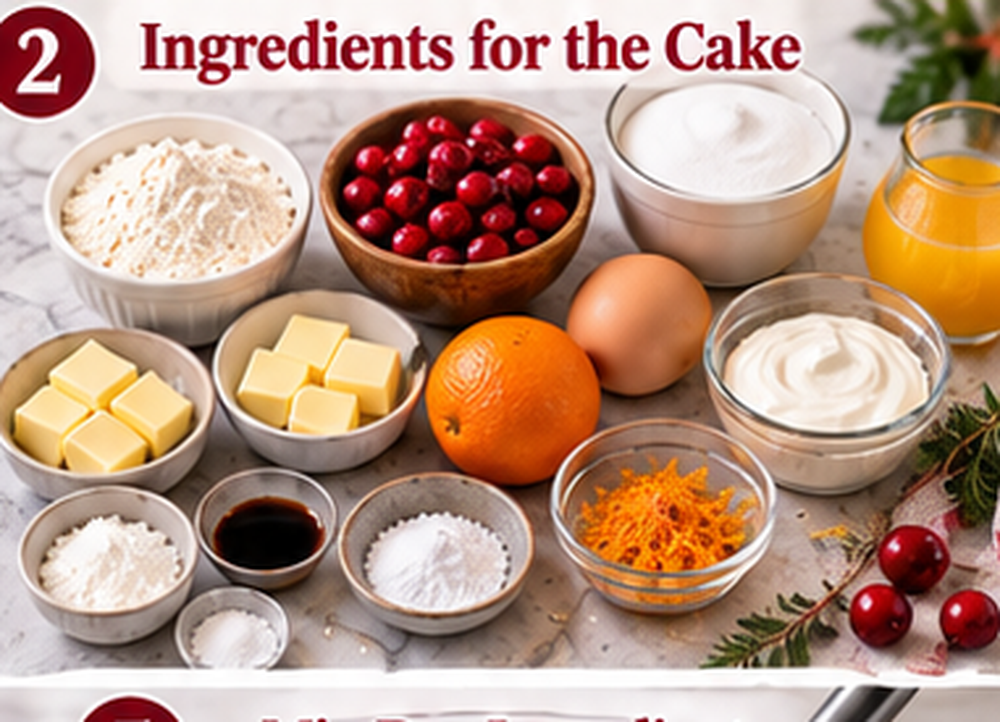
For the Cake
- 2 ½ cups all-purpose flour
- 2 teaspoons baking powder
- ½ teaspoon salt
- 1 cup unsalted butter, softened
- 1 ¾ cups granulated sugar
- 3 large eggs, room temperature
- 1 tablespoon finely grated orange zest
- ½ cup fresh orange juice
- ½ cup sour cream or plain Greek yogurt
- 1 teaspoon vanilla extract
- 1 ½ cups fresh or frozen cranberries
- 1 tablespoon all-purpose flour, for coating the cranberries
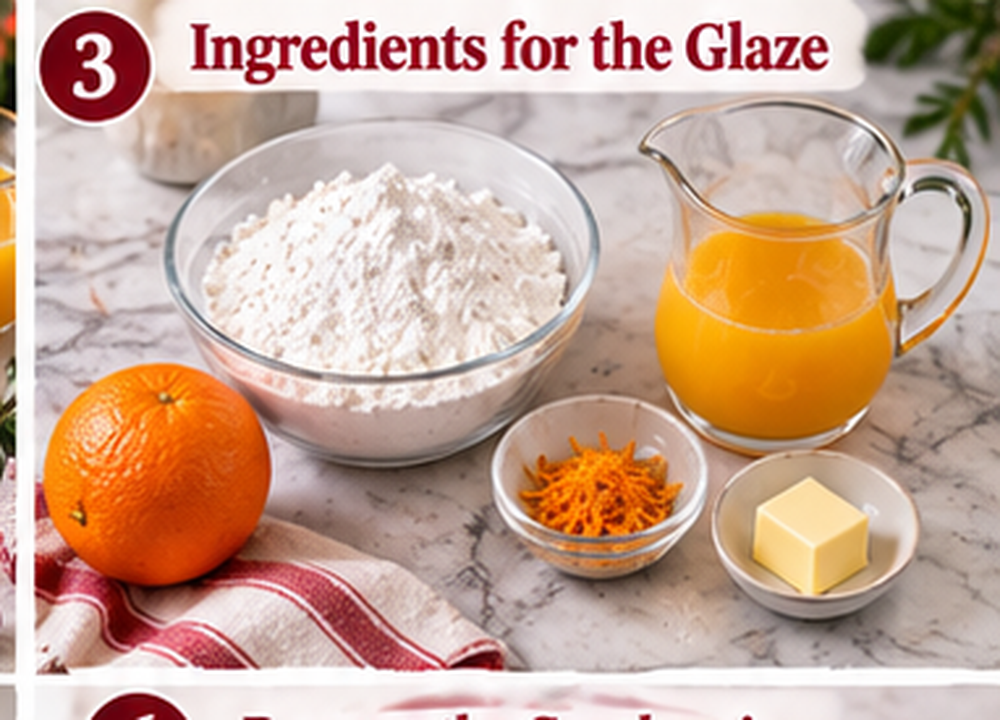
For the Orange Glaze
- 1 ½ cups powdered sugar
- 2–3 tablespoons fresh orange juice
- ½ teaspoon finely grated orange zest
- 1 teaspoon melted butter, optional
For Garnishing
- Fresh cranberries
- Thin orange slices or orange zest
- Powdered sugar
- Small rosemary sprigs, optional
Step-by-Step Recipe
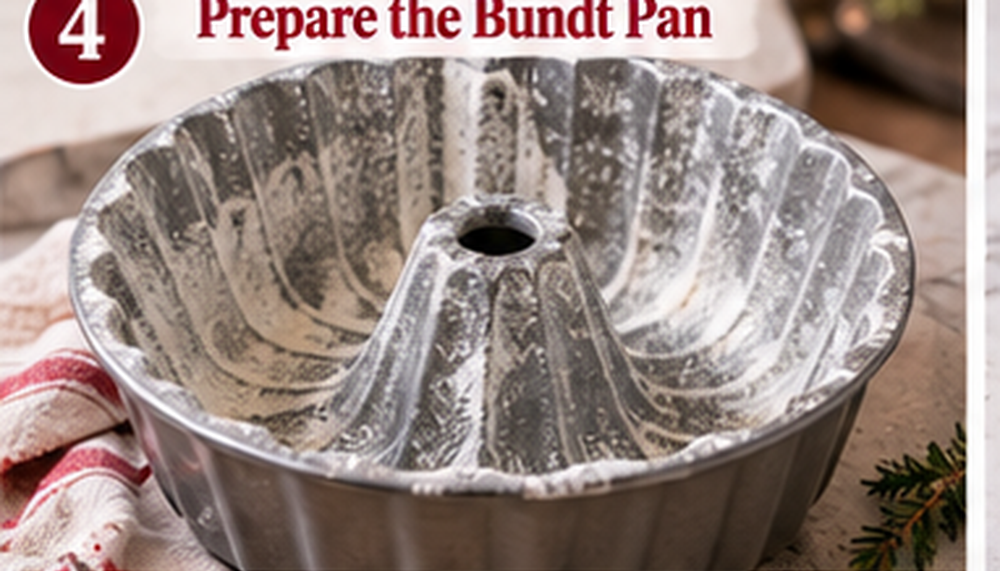
Step 1: Prepare the Bundt Pan
Preheat your oven to 350°F (175°C).
Generously grease a 10- to 12-cup Bundt pan with softened butter or baking spray, making sure to reach all the ridges and corners.
Lightly dust the pan with flour and shake out any excess.
This step is especially important with Bundt cakes because their detailed shape can make them more difficult to release.
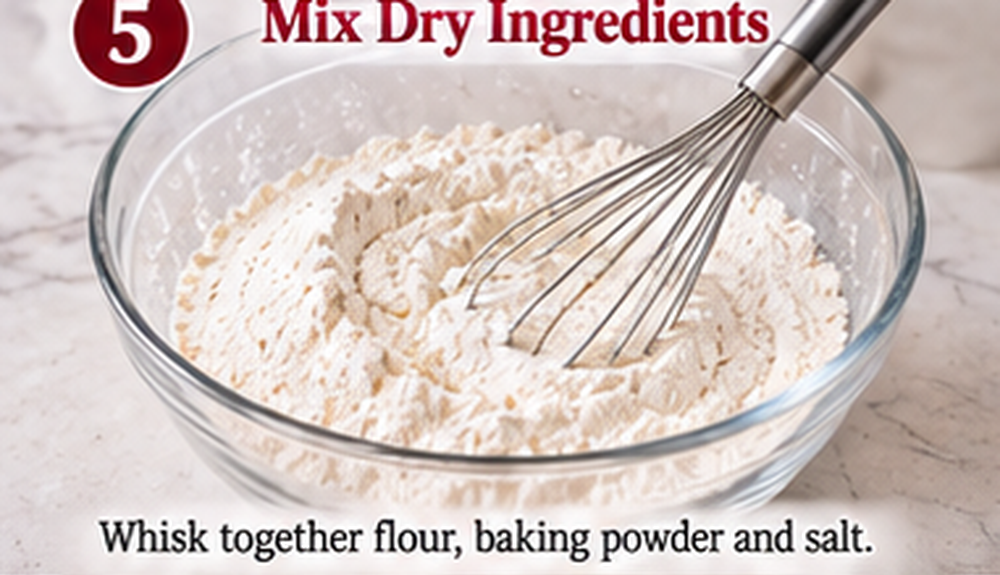
Step 2: Prepare the Dry Ingredients
In a medium bowl, whisk together:
- All-purpose flour
- Baking powder
- Salt
Set the bowl aside.
Keeping the dry ingredients separate initially helps distribute the baking powder and salt evenly throughout the cake.
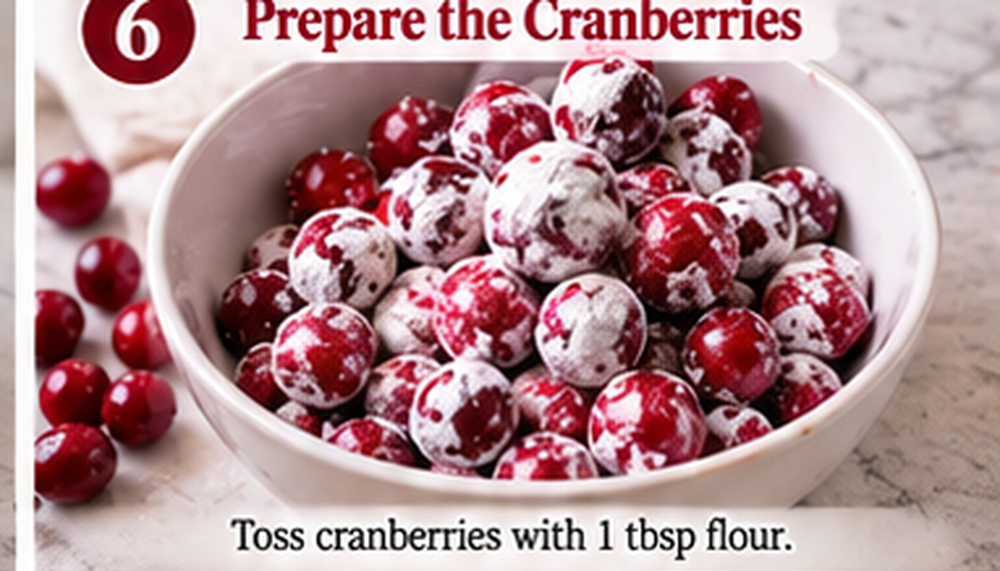
Step 3: Prepare the Cranberries
Place the cranberries in a small bowl and toss them gently with 1 tablespoon of flour.
Coating the berries lightly can help them stay distributed throughout the batter instead of sinking toward the bottom during baking.
If using frozen cranberries, there is generally no need to thaw them first.
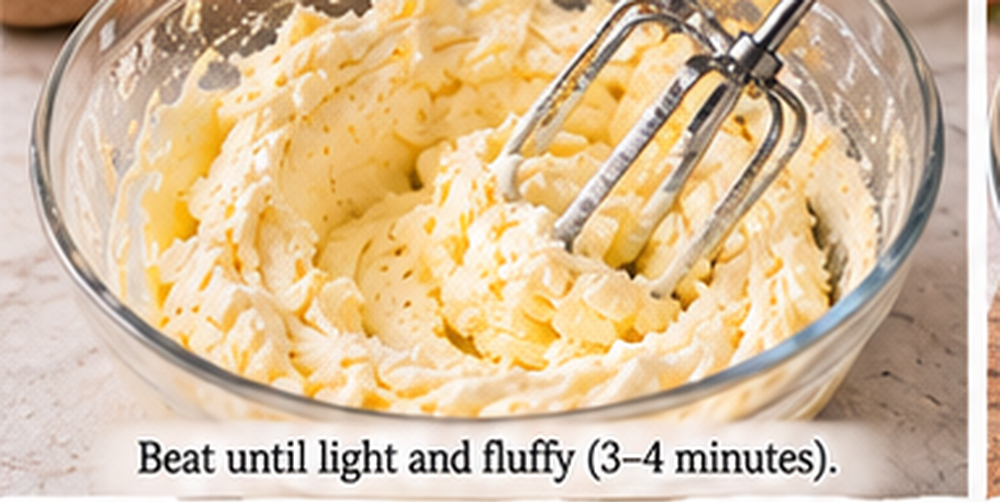
Step 4: Cream the Butter and Sugar
In a large mixing bowl, beat the softened butter and granulated sugar together until the mixture becomes light and fluffy.
This usually takes about 3–4 minutes with an electric mixer.
Don’t rush this step. Properly creamed butter and sugar help create a lighter cake texture.
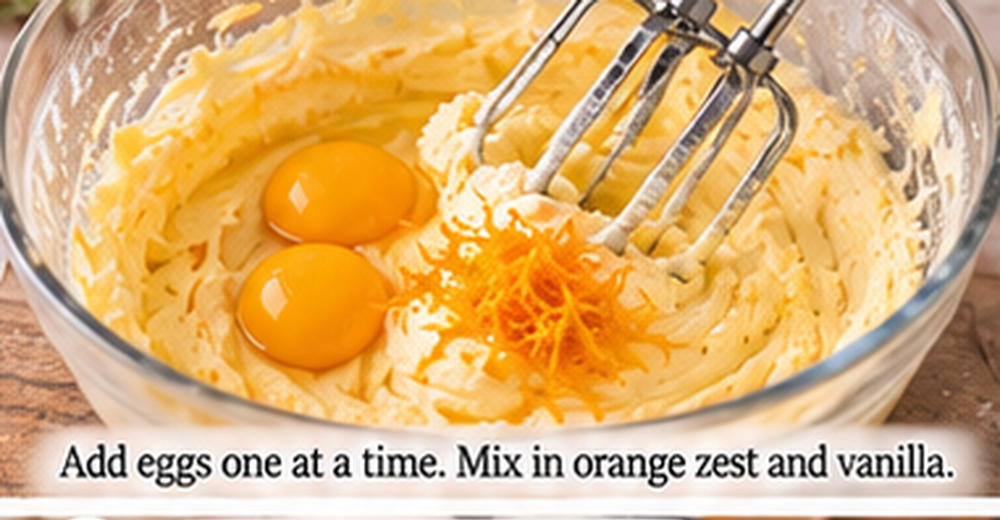
Step 5: Add the Eggs
Add the eggs one at a time, beating well after each addition.
Then mix in the orange zest and vanilla extract.
Scrape down the sides of the bowl if necessary.
Step 6: Add the Orange Juice and Sour Cream
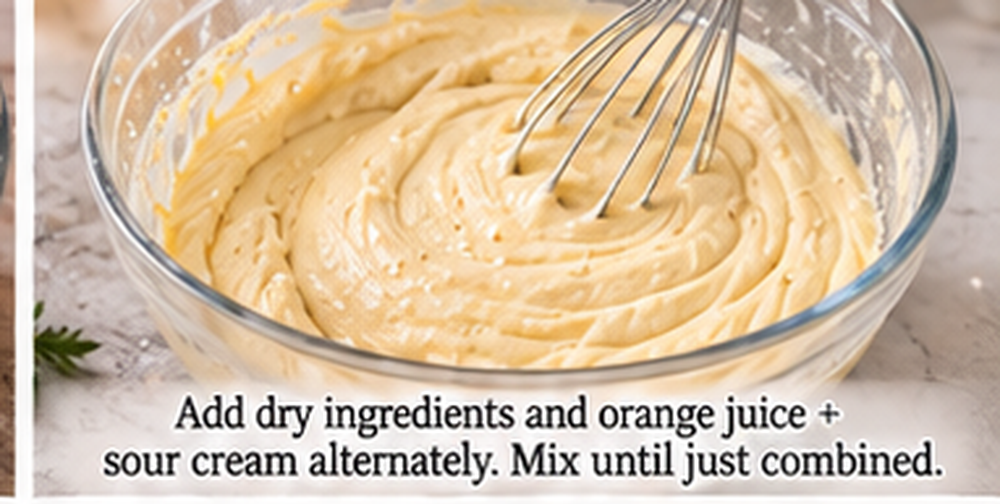
In a small bowl or measuring cup, combine the fresh orange juice and sour cream.
Add the dry ingredients to the butter mixture in portions, alternating with the orange juice and sour cream mixture.
Begin and finish with the dry ingredients.
Mix just until combined.
Avoid overmixing, as this can make the finished cake denser.
Step 7: Fold in the Cranberries
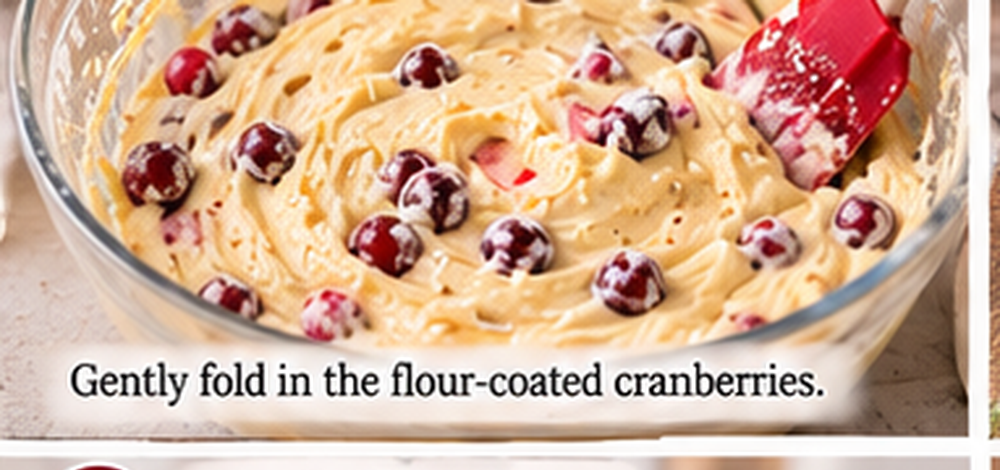
Gently fold the flour-coated cranberries into the batter using a spatula.
Try not to crush the cranberries as you fold.
The finished batter should be thick, creamy, and evenly studded with berries.
Step 8: Fill the Bundt Pan
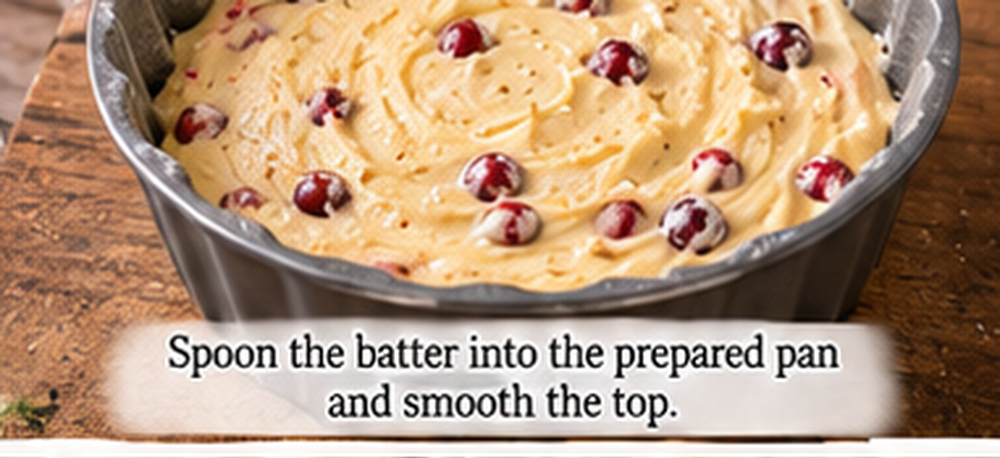
Spoon the batter evenly into the prepared Bundt pan.
Gently tap the pan against the countertop once or twice to help remove large air pockets.
Smooth the top with a spatula.
Step 9: Bake the Cake
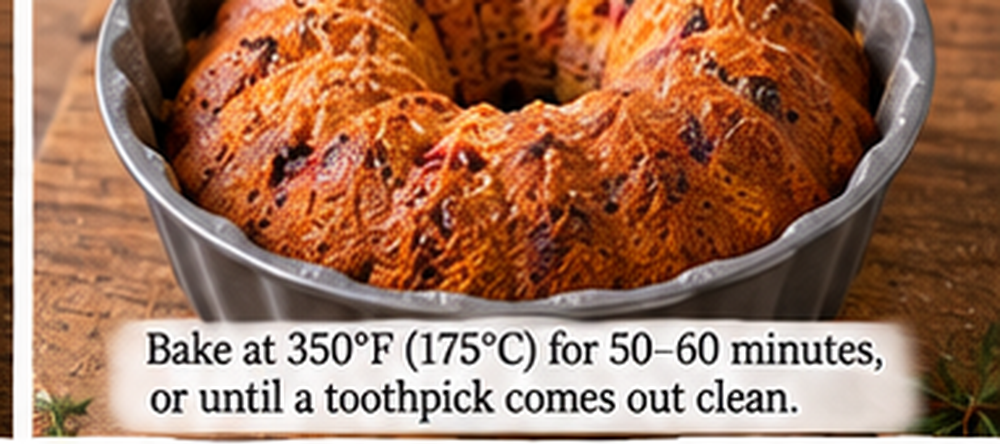
Place the Bundt pan in the preheated oven.
Bake for approximately 50–60 minutes, or until a toothpick inserted into the thickest part of the cake comes out clean or with a few moist crumbs.
The exact baking time can vary depending on your oven and Bundt pan.
Avoid opening the oven repeatedly during the first part of baking.
Step 10: Cool Before Removing
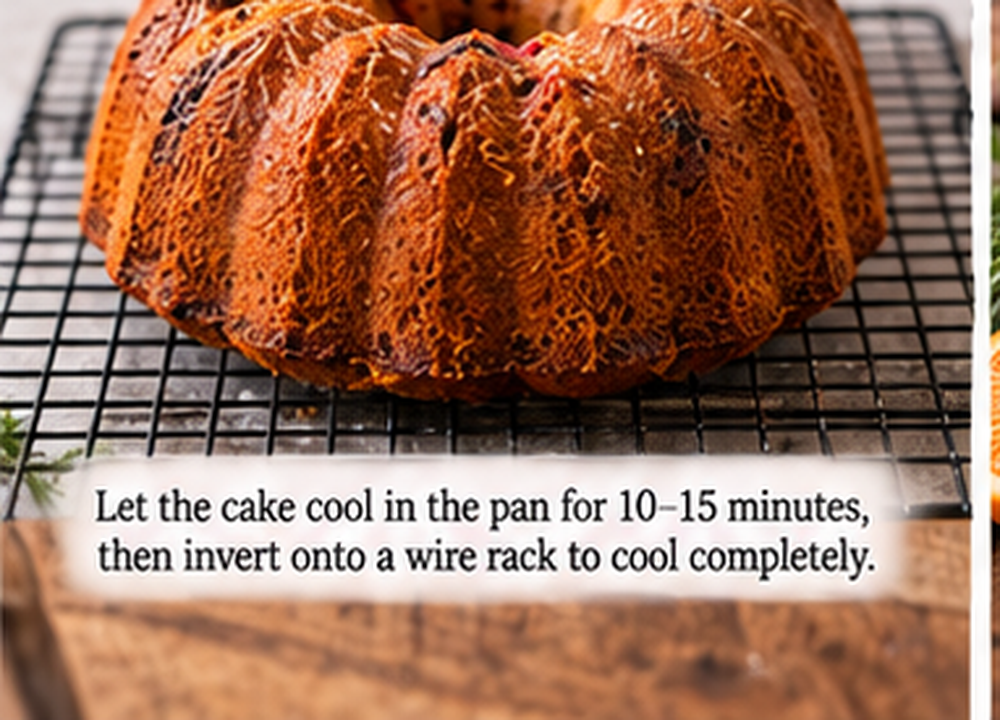
Allow the cake to cool in the Bundt pan for approximately 10–15 minutes.
Then carefully invert it onto a wire rack.
Allow the cake to cool completely before adding the glaze.
Trying to glaze a very warm cake can cause the glaze to melt and disappear rather than creating a beautiful drizzle.
How to Make the Orange Glaze
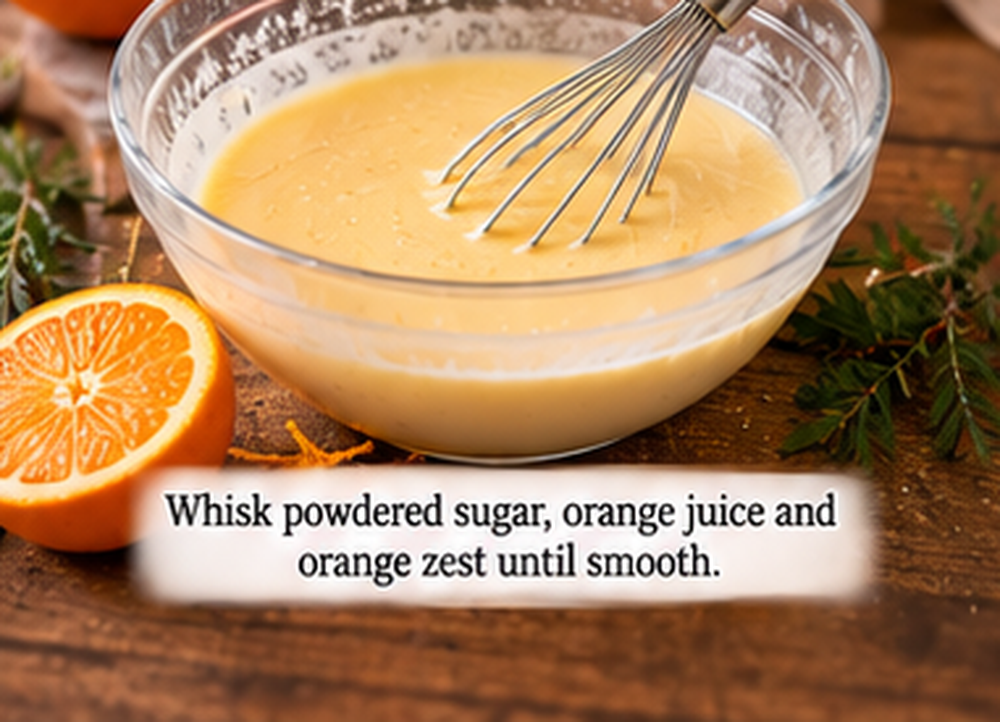
While the cake cools, prepare the glaze.
Add powdered sugar to a bowl.
Gradually whisk in fresh orange juice until you reach a smooth, pourable consistency.
Add orange zest for extra citrus flavor.
If the glaze is too thick, add a few drops of orange juice.
If it becomes too thin, whisk in a little more powdered sugar.
Step 11: Glaze the Cake
Once the cake is completely cool, place it on a serving plate.
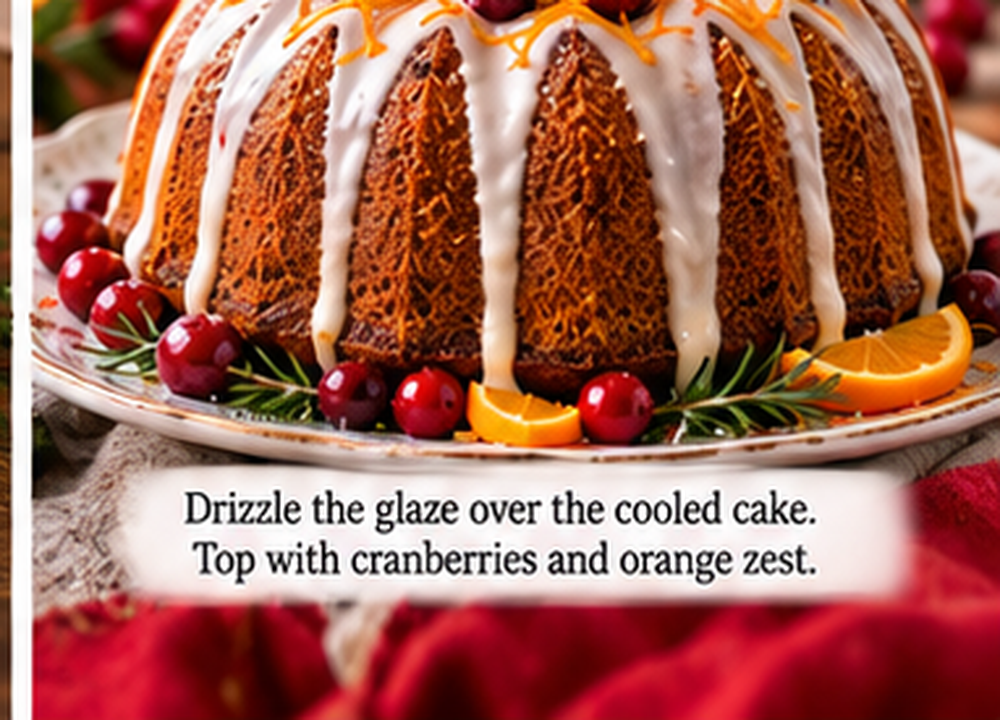
Drizzle the orange glaze slowly over the top, allowing it to naturally run down the ridges of the Bundt cake.
For an extra festive presentation, garnish with fresh cranberries, orange zest, or thin orange slices.
Tips for the Best Cranberry Orange Bundt Cake
Use Fresh Orange Zest
Orange zest contains concentrated citrus oils and provides wonderful flavor. Zest the orange before squeezing it for juice.
Don’t Overmix the Batter
Once the flour is incorporated, mix only until the ingredients come together. Overmixing can produce a tougher cake.
Grease the Bundt Pan Thoroughly
Pay special attention to the grooves and decorative areas of your Bundt pan.
Don’t Remove the Cake Too Quickly
Give the cake about 10–15 minutes to rest in the pan before turning it out.
Cool Completely Before Glazing
A completely cooled cake gives you a cleaner, more attractive glaze.
Fresh or Frozen Cranberries Work
Both can work well in this recipe. Frozen cranberries can generally be folded directly into the batter without thawing.
Delicious Variations
Cranberry Orange Almond Cake
Add ½ teaspoon almond extract and sprinkle sliced almonds over the glaze.
Cranberry Orange Chocolate Cake
Add a handful of white chocolate chips for a richer holiday dessert.
Orange Cream Cheese Glaze
Replace the simple orange glaze with a cream cheese glaze for a richer finish.
Nutty Cranberry Orange Cake
Add chopped pecans or walnuts to the batter for extra crunch.
Extra-Citrusy Version
Add additional orange zest to both the cake and glaze for a stronger citrus flavor.
How to Store Cranberry Orange Bundt Cake
Store the completely cooled cake in an airtight container at room temperature for up to several days.
If your kitchen is particularly warm or the cake has a perishable cream cheese frosting, refrigeration may be preferable.
Allow refrigerated cake to sit at room temperature for a short time before serving for the best texture.
The cake can also be wrapped well and frozen. For best results, consider freezing it without the glaze and adding fresh glaze after thawing.
How to Serve It
This cake is delicious on its own, but you can make it even more special with:
- A cup of coffee
- Hot tea
- Fresh orange slices
- Whipped cream
- Vanilla ice cream
- A dusting of powdered sugar
- Extra cranberry-orange glaze
For a holiday table, arrange the cake on a decorative cake stand and surround it with fresh cranberries, orange slices, and a few rosemary sprigs.
Conclusion
This Cranberry Orange Bundt Cake is a beautiful combination of sweet, tart, and citrusy flavors. The tender cake, juicy cranberries, fragrant orange zest, and simple orange glaze create a dessert that’s both impressive and approachable.
Its elegant Bundt shape makes it especially suited for Thanksgiving, Christmas, holiday brunches, and family gatherings. Best of all, you don’t need complicated decorating techniques to create a dessert that looks festive and inviting.
So grab some cranberries and fresh oranges, preheat your oven, and bake this beautiful holiday cake. One slice is all it takes to bring a little extra sweetness to your celebration!
Frequently Asked Questions
1. Can I use frozen cranberries?
Yes. Frozen cranberries work well in this recipe and can generally be added without thawing. Toss them with flour before folding them into the batter.
2. Can I use dried cranberries?
Yes, but the texture and flavor will be different. Dried cranberries are sweeter and less juicy than fresh cranberries. If using them, consider soaking them briefly in warm orange juice before adding them.
3. Why did my Bundt cake stick to the pan?
Bundt cakes can stick if the pan isn’t thoroughly greased, particularly around intricate ridges. Make sure you coat every section of the pan before adding the batter.
4. Can I make this cake ahead of time?
Yes. This cake is a good make-ahead dessert. Bake and cool it completely, then store it properly until you’re ready to serve.
5. How do I know when the cake is done?
Insert a toothpick or cake tester into the thickest part of the cake. It should come out clean or with a few moist crumbs attached.
6. Can I make the cake without the glaze?
Absolutely. The cake is flavorful on its own. You can simply dust it with powdered sugar or serve it plain.
7. Can I add nuts?
Yes. Chopped pecans or walnuts are delicious with cranberry and orange. Add them carefully so they don’t make the batter excessively heavy.
8. Can I use bottled orange juice?
Fresh orange juice is recommended because it provides a brighter flavor, especially when combined with fresh orange zest. Bottled juice can work if fresh oranges aren’t available.
9. How should I prevent the cranberries from sinking?
Tossing the cranberries lightly with flour before folding them into the batter can help distribute them throughout the cake.
10. What makes cranberry and orange such a good combination?
Orange provides sweet, aromatic citrus notes while cranberries contribute tartness. Together, they create a balanced flavor that works particularly well in festive desserts.