Introduction
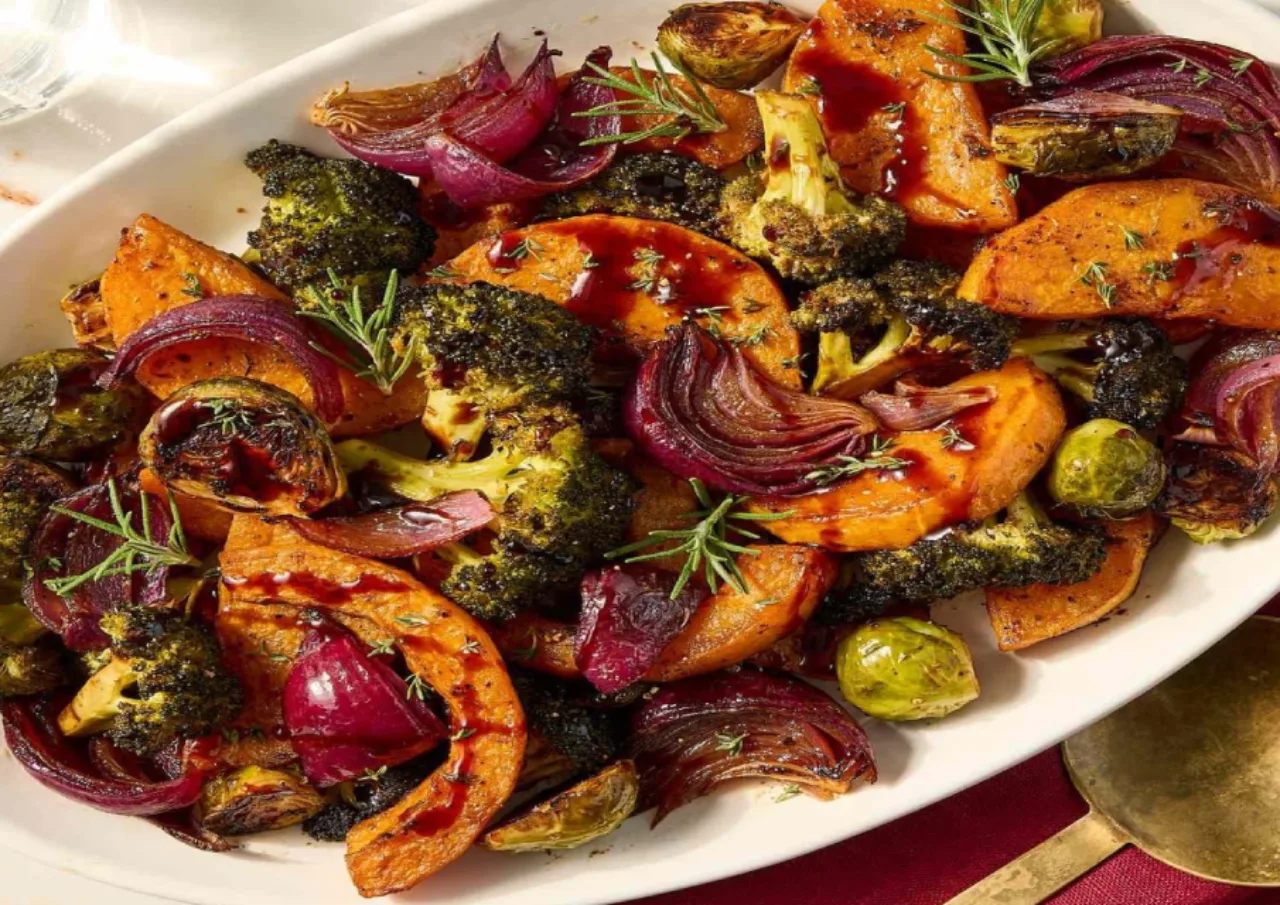
When you want a Thanksgiving side dish that looks beautiful, tastes incredible, and doesn’t require hours of complicated preparation, Maple-Balsamic Roasted Vegetables are the perfect choice.
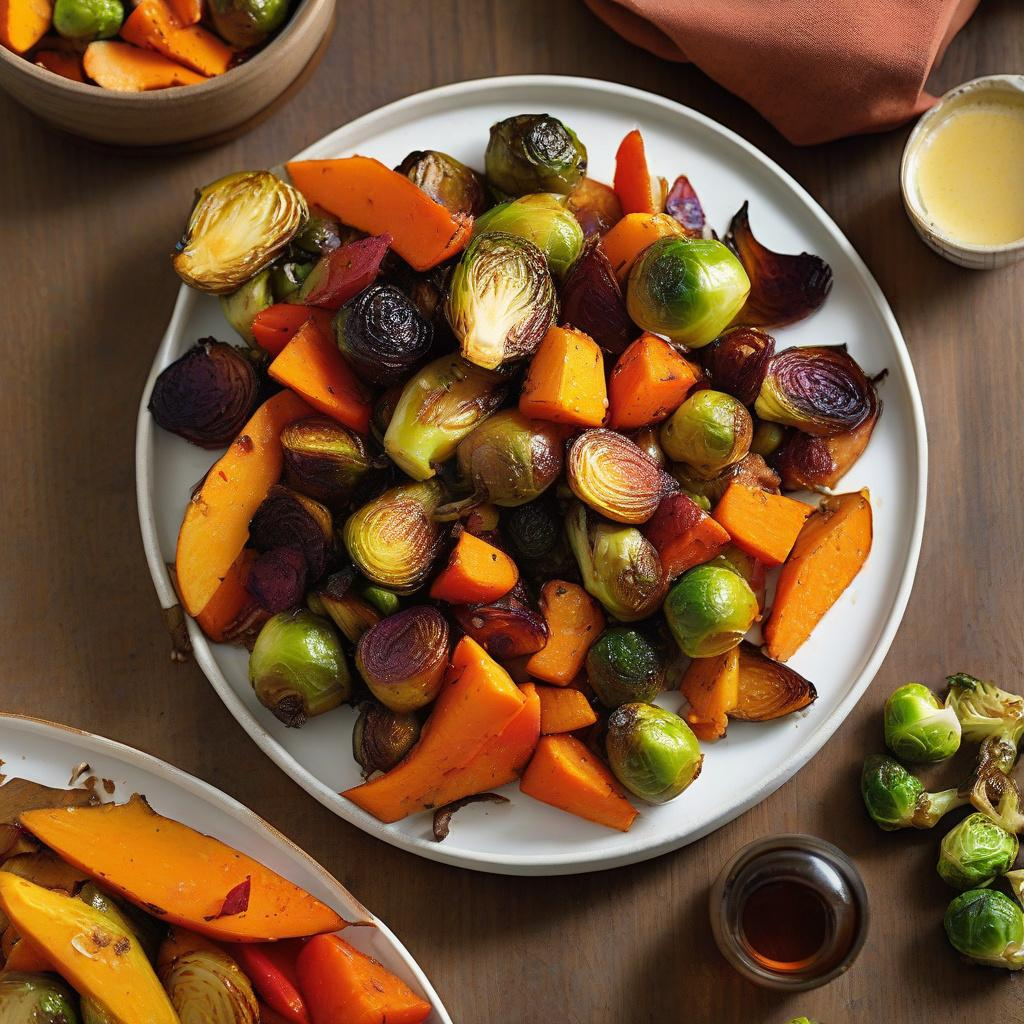
This colorful vegetable medley combines naturally sweet vegetables with the rich flavor of pure maple syrup and the tangy depth of balsamic vinegar. As the vegetables roast, their edges become beautifully caramelized while the centers turn tender and flavorful. The result is a side dish that is sweet, savory, slightly tangy, and wonderfully comforting.
Carrots, sweet potatoes, Brussels sprouts, red onion, and butternut squash make an especially festive combination, but the recipe is flexible. You can easily substitute parsnips, cauliflower, beets, rutabaga, or other seasonal vegetables depending on what you have available.
The best part? This recipe is simple enough for a weeknight dinner but elegant enough for Thanksgiving, Christmas, Friendsgiving, or a cozy fall gathering.
Whether you’re serving turkey, roast chicken, stuffing, mashed potatoes, or a vegetarian main course, these Maple-Balsamic Roasted Vegetables add beautiful color and a delicious balance of sweet and savory flavors to the table.
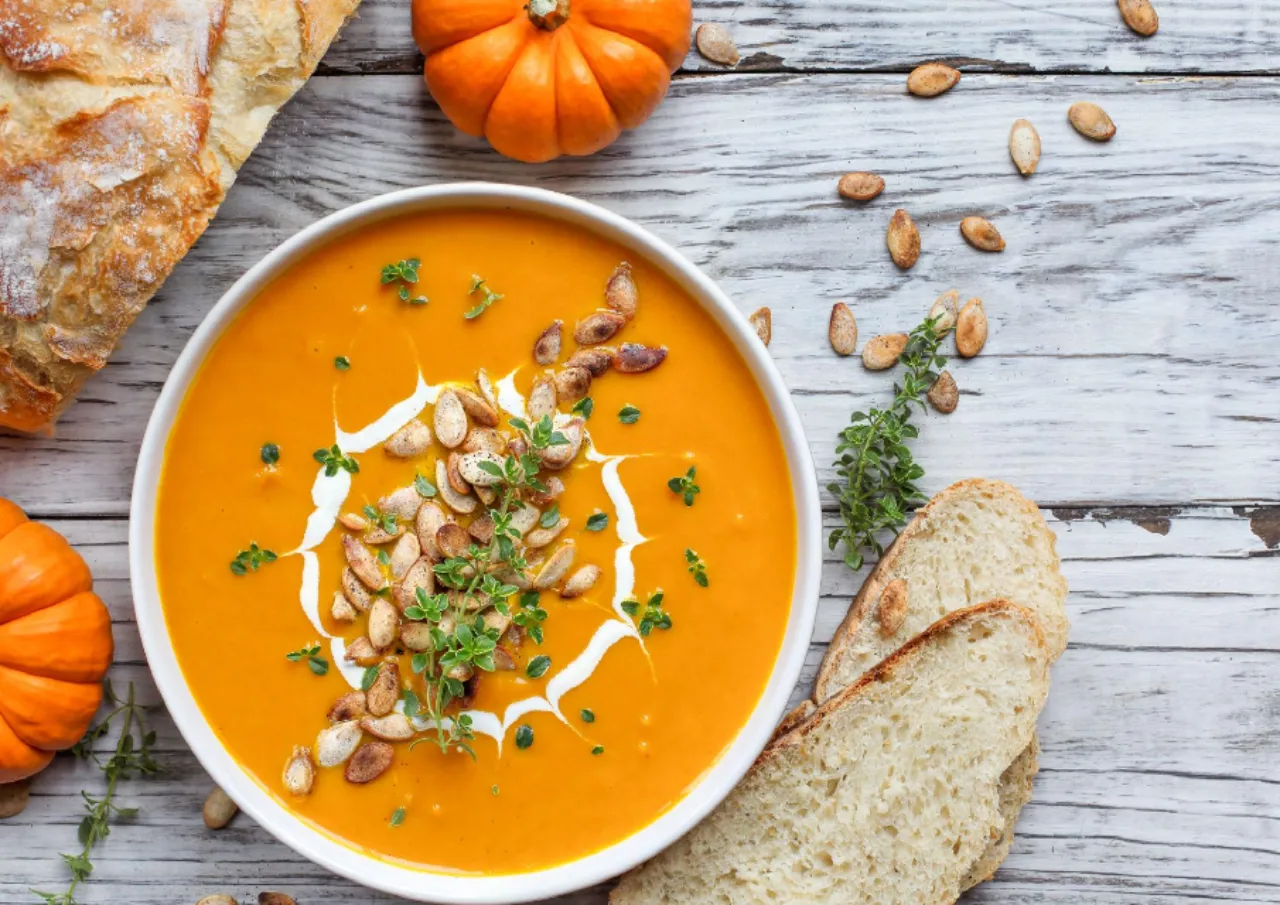
Also Read: Roasted Pumpkin Soup for a Cozy Thanksgiving
Why You’ll Love These Maple-Balsamic Roasted Vegetables
There are plenty of reasons to make this recipe for your next holiday meal:
- Easy to prepare: Most of the work is simply chopping and tossing.
- Beautiful presentation: The colorful vegetables make a stunning Thanksgiving side.
- Sweet and savory: Maple syrup balances the tanginess of balsamic vinegar.
- Naturally vegetarian: No meat is needed.
- Easy to customize: Use your favorite seasonal vegetables.
- Great for entertaining: A large sheet pan can serve a crowd.
- Make-ahead friendly: Prepare the vegetables ahead and reheat before serving.
- Perfect for Thanksgiving: The warm roasted flavors pair beautifully with classic holiday dishes.
Ingredients You’ll Need
For the Roasted Vegetables
- 2 cups sweet potatoes, peeled and cut into 1-inch cubes
- 2 cups carrots, peeled and cut into thick slices
- 2 cups Brussels sprouts, trimmed and halved
- 2 cups butternut squash, cut into 1-inch cubes
- 1 medium red onion, cut into thick wedges
- 3 tablespoons olive oil
- 1 teaspoon salt
- ½ teaspoon freshly ground black pepper
- 1 teaspoon fresh rosemary, chopped
- ½ teaspoon dried thyme
For the Maple-Balsamic Glaze
- 3 tablespoons pure maple syrup
- 2 tablespoons balsamic vinegar
- 1 tablespoon olive oil
- 1 teaspoon Dijon mustard
- 1 small garlic clove, finely minced
- Pinch of salt
- Pinch of black pepper
Optional Garnishes
- Fresh rosemary
- Fresh thyme
- Toasted pecans
- Pumpkin seeds
- Pomegranate seeds
- Crumbled feta cheese
- Fresh parsley
Step-by-Step Guide to Making Maple-Balsamic Roasted Vegetables
Step 1: Choose Your Vegetables
Start by selecting a colorful combination of vegetables.
For the classic version, use:
- Sweet potatoes
- Carrots
- Brussels sprouts
- Butternut squash
- Red onion
These vegetables provide a wonderful combination of sweetness, earthy flavor, texture, and color.
You can also add parsnips, cauliflower, beets, rutabaga, or broccoli.
Important Tip
Try to choose vegetables with similar cooking times. Cut harder vegetables such as sweet potatoes and squash into slightly smaller pieces so everything finishes cooking at approximately the same time.
Cutting vegetables into reasonably uniform pieces also helps them roast evenly.
Step 2: Prepare the Vegetables
Wash and dry all the vegetables thoroughly.
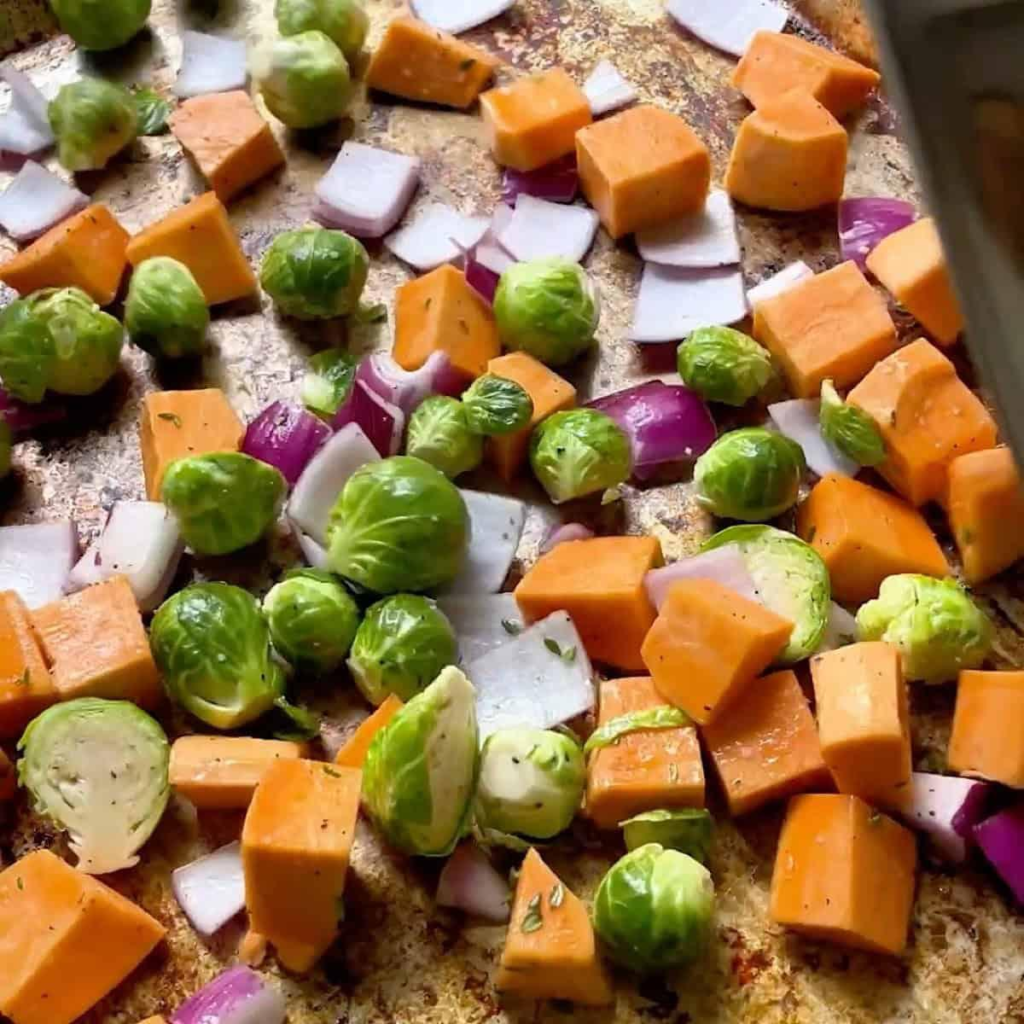
Peel the sweet potatoes, carrots, and butternut squash if necessary. Trim the Brussels sprouts and cut them in half.
Cut the red onion into thick wedges.
Place all the vegetables into a large mixing bowl.
Why Dry Vegetables Matter
Excess moisture can cause vegetables to steam rather than roast. Dry vegetables are more likely to develop those delicious browned and caramelized edges you’re looking for.
Step 3: Preheat the Oven
Preheat your oven to 425°F (220°C).
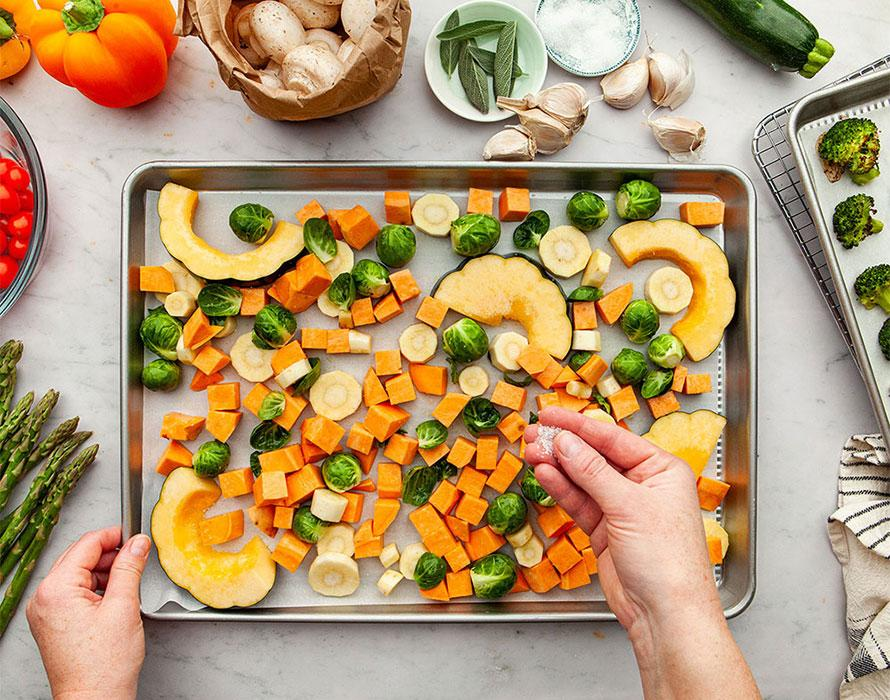
Place a large rimmed baking sheet inside the oven while it preheats if you want an extra boost of browning.
A large baking sheet is important because overcrowding the vegetables can cause them to steam instead of becoming nicely roasted.
Step 4: Season the Vegetables
Drizzle the vegetables with olive oil.
Add:
- Salt
- Black pepper
- Rosemary
- Thyme
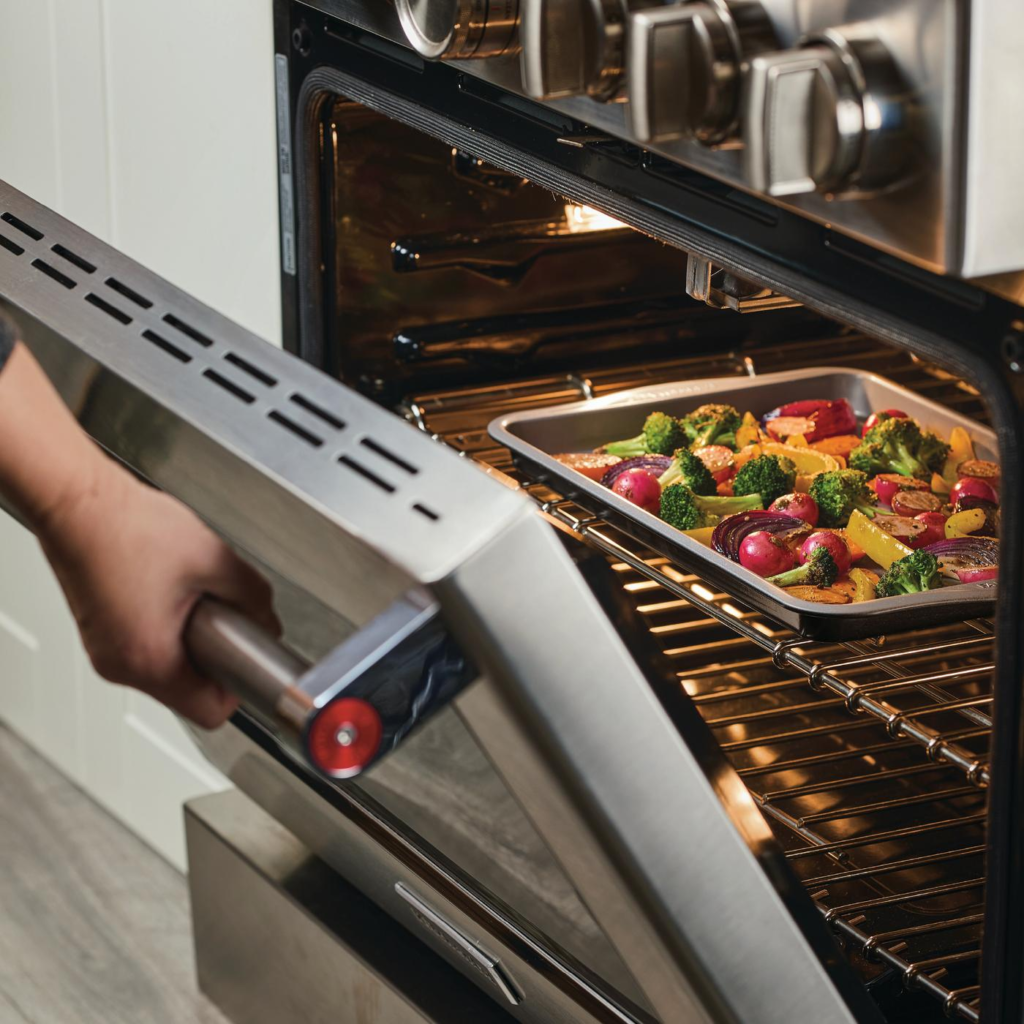
Toss everything thoroughly until the vegetables are evenly coated.
Spread the vegetables onto a large baking sheet in a single layer.
Avoid piling the vegetables on top of each other.
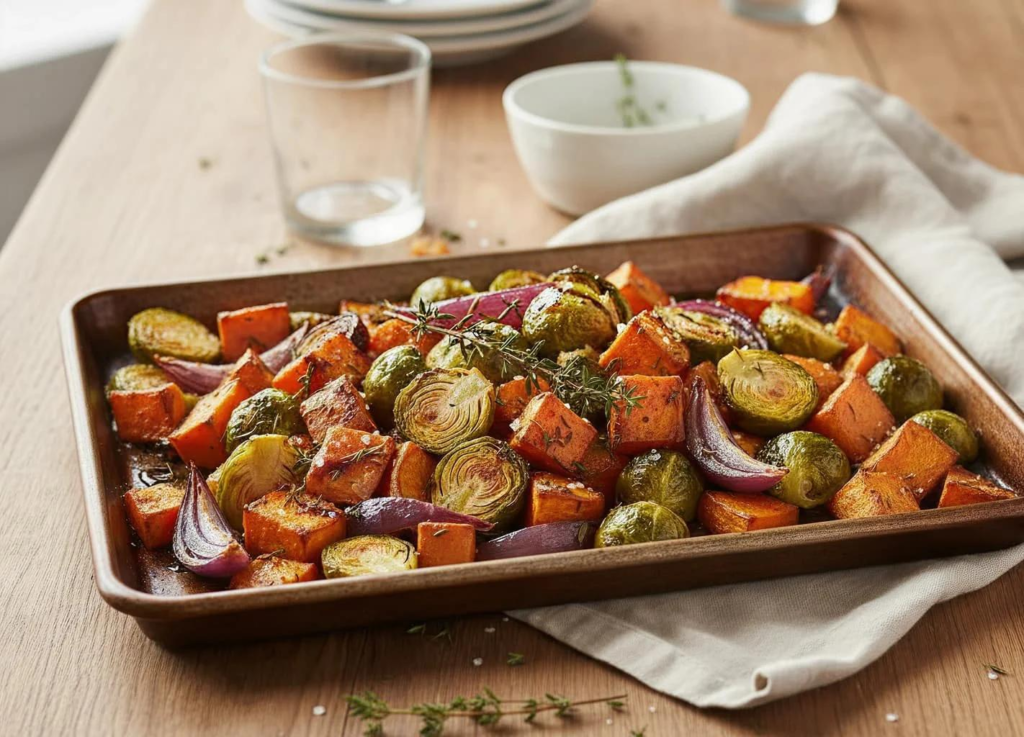
Step 5: Roast the Vegetables
Place the baking sheet into the preheated oven.
Roast for approximately 25 minutes.
Then carefully remove the pan and toss or turn the vegetables with a spatula.
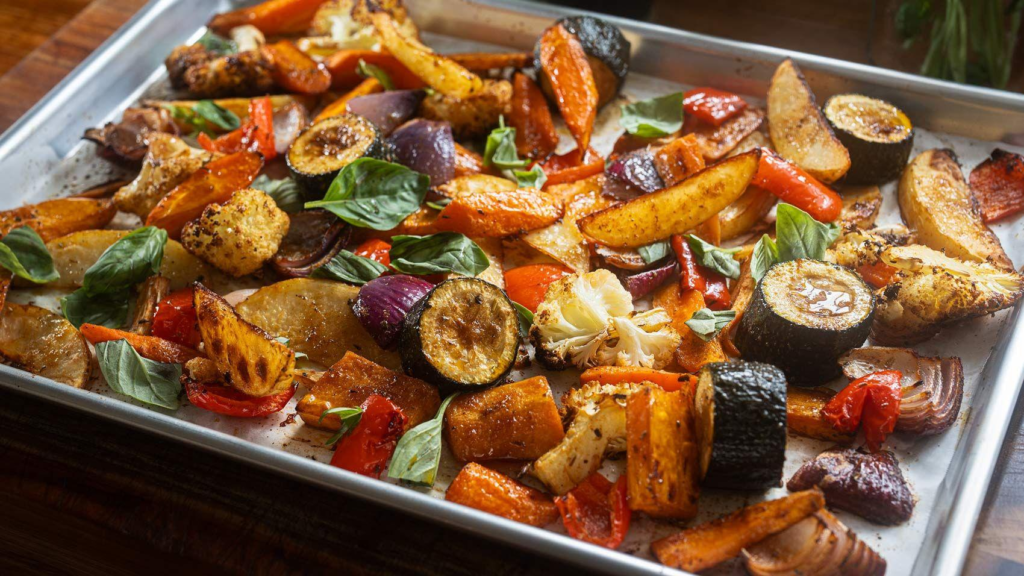
Return the pan to the oven and continue roasting for another 10–15 minutes, or until the vegetables are tender and beginning to develop golden-brown edges.
The exact roasting time will depend on the size of your vegetable pieces.
Step 6: Prepare the Maple-Balsamic Glaze
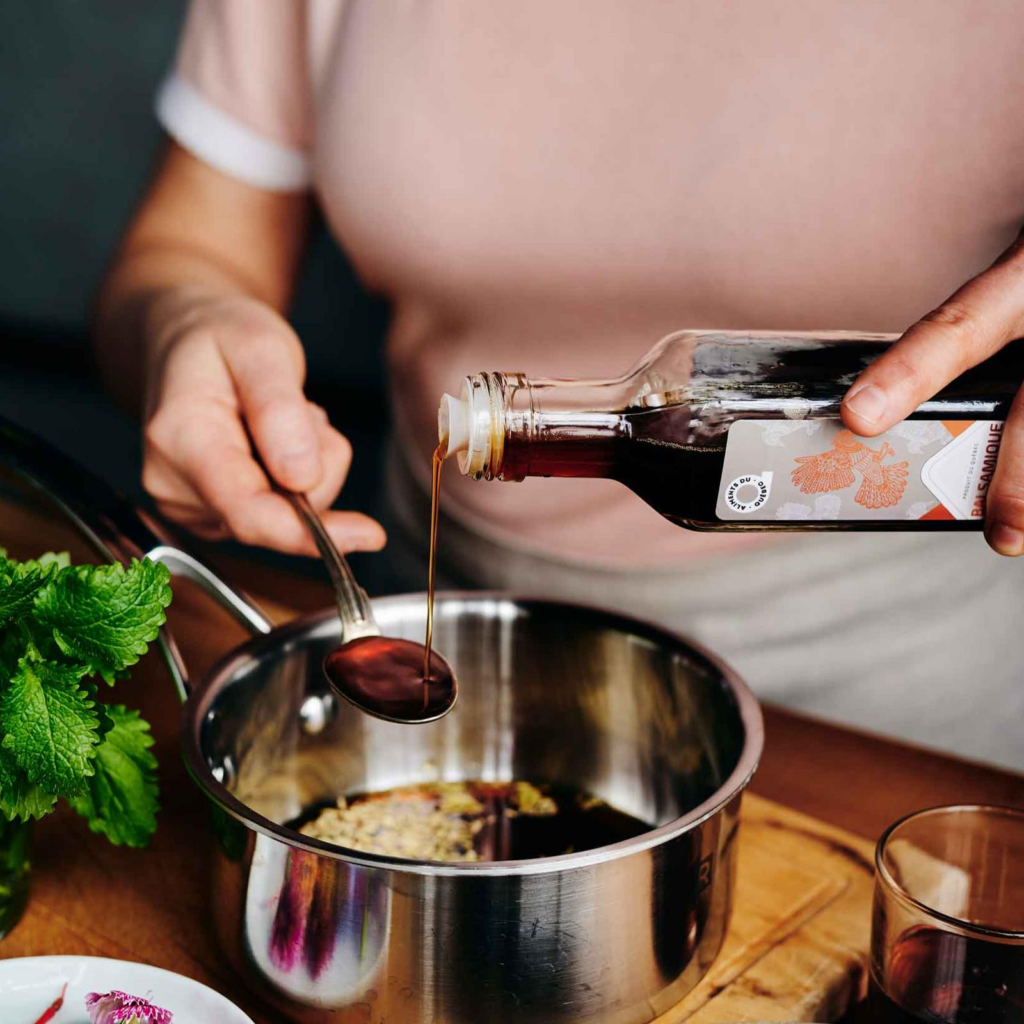
While the vegetables are roasting, prepare the glaze.
In a small bowl, whisk together:
- Maple syrup
- Balsamic vinegar
- Olive oil
- Dijon mustard
- Minced garlic
- Salt
- Black pepper
Whisk until smooth and well combined.
The maple syrup provides sweetness while balsamic vinegar adds acidity and depth. Dijon mustard helps tie the flavors together.
Step 7: Add the Maple-Balsamic Glaze
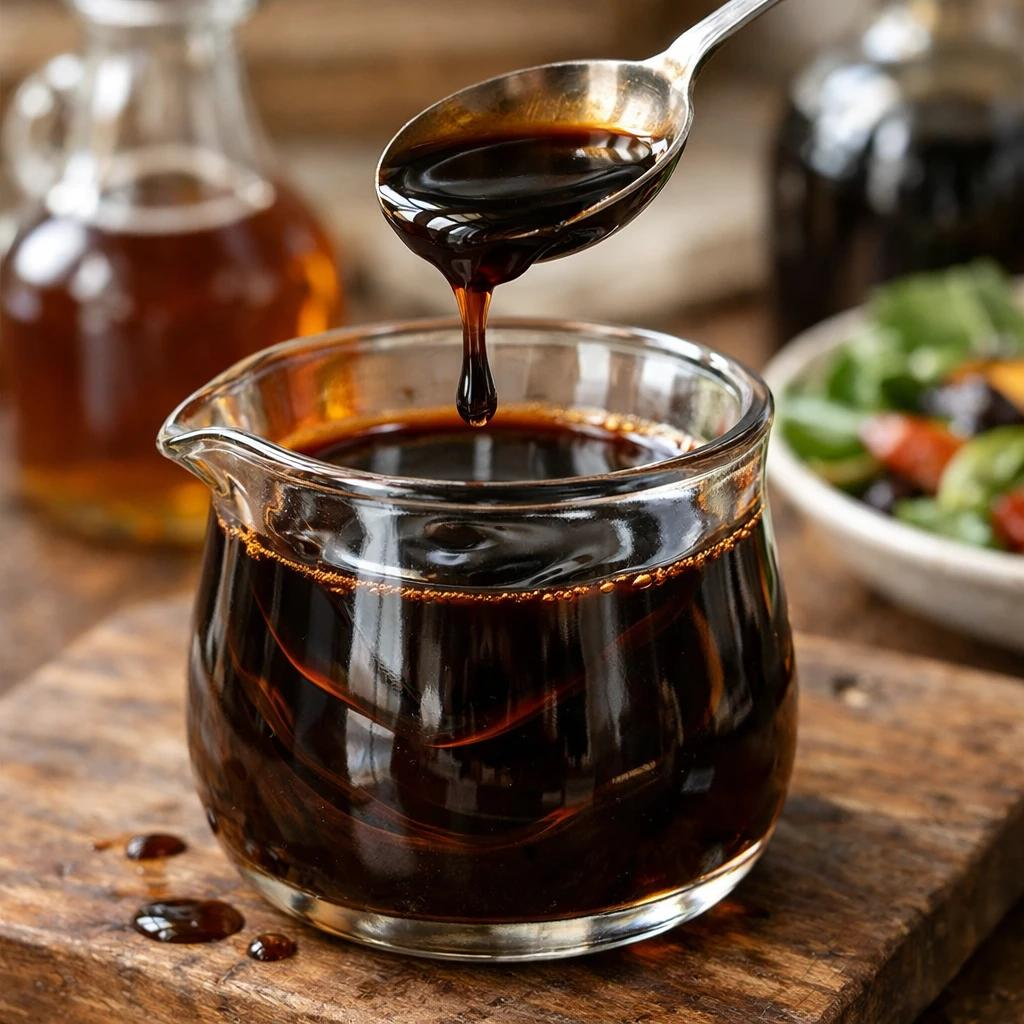
When the vegetables are beginning to brown and are almost tender, drizzle the maple-balsamic mixture over them.
Toss gently to coat.
Return the baking sheet to the oven for approximately 5–10 minutes.
Watch the vegetables carefully during this final stage because the maple syrup can caramelize quickly.
The finished vegetables should have:
- Golden-brown edges
- Tender centers
- Slightly caramelized surfaces
- A glossy maple-balsamic coating
Step 8: Check for Doneness
Insert a fork into the largest pieces of sweet potato or squash.
They should be tender without falling apart.
The Brussels sprouts should have browned edges, while the carrots should be tender but still retain some texture.
If the vegetables need more color, roast them for another few minutes.
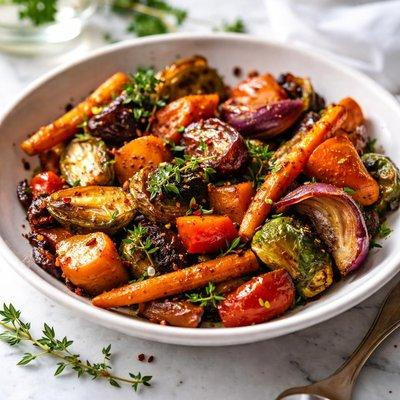
Step 9: Add Your Favorite Garnishes
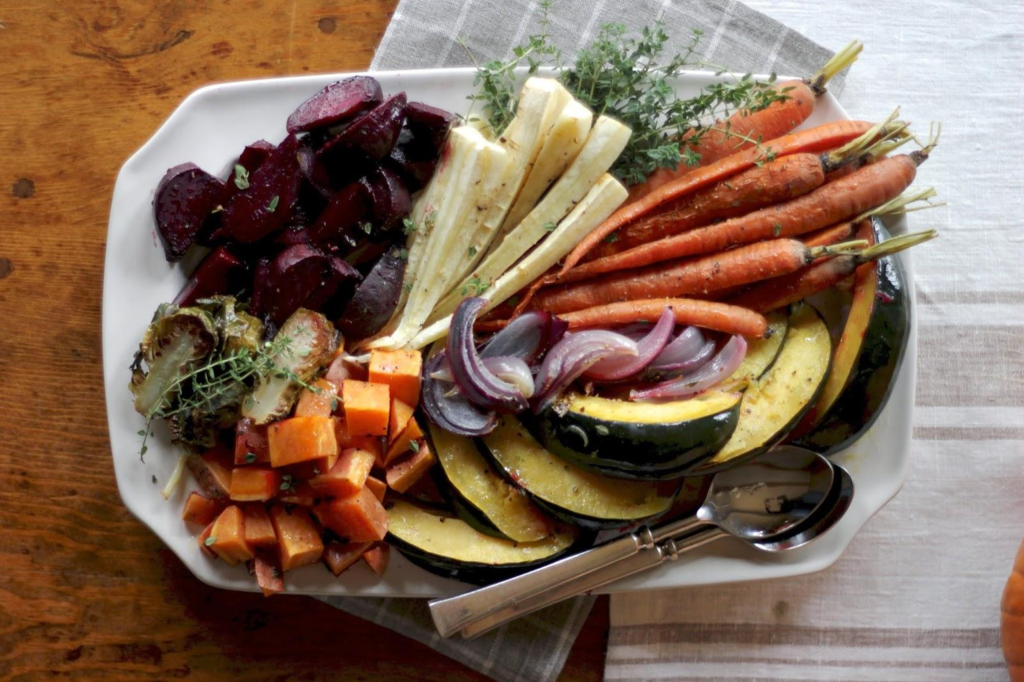
Transfer the roasted vegetables to a large serving platter.
For a beautiful Thanksgiving presentation, sprinkle the top with:
- Fresh rosemary
- Toasted pecans
- Pumpkin seeds
- Pomegranate seeds
- Fresh parsley
For a creamy contrast, add a small amount of crumbled feta cheese.
The combination of colorful vegetables, green herbs, crunchy nuts, and jewel-like pomegranate seeds makes this dish especially attractive on a holiday table.
Step 10: Serve Warm
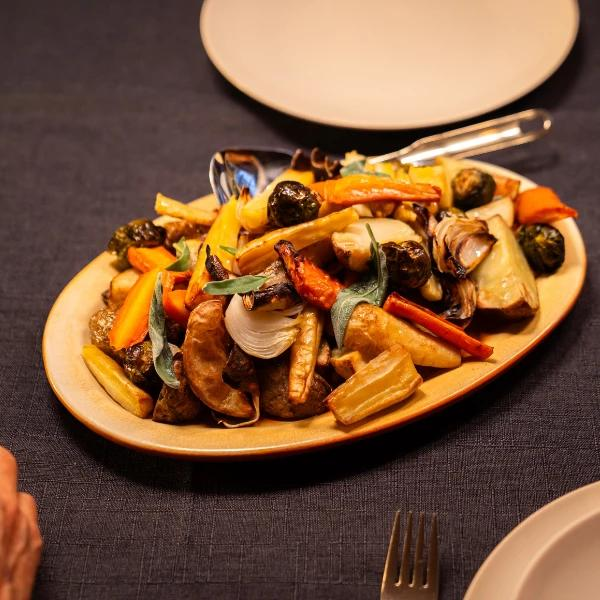
Serve the vegetables warm, preferably shortly after roasting.
They pair wonderfully with classic Thanksgiving dishes such as:
- Roast turkey
- Stuffing
- Mashed potatoes
- Cranberry sauce
- Green bean casserole
- Dinner rolls
- Gravy
- Roasted chicken
- Vegetarian mains
The sweet-tangy glaze also works beautifully with savory dishes because it provides a refreshing contrast to richer holiday foods.
How to Plan This Recipe for Thanksgiving
Holiday cooking can become stressful when everything needs to be prepared at the same time. A little planning makes this recipe much easier.
One Day Before Thanksgiving
You can:
- Wash and trim the vegetables.
- Peel the sweet potatoes and carrots.
- Cut the butternut squash.
- Trim and halve the Brussels sprouts.
- Cut the red onion.
- Prepare the maple-balsamic glaze.
- Store the prepared vegetables and glaze separately in airtight containers in the refrigerator.
Thanksgiving Day
About 45–60 minutes before serving:
- Take the vegetables out of the refrigerator.
- Preheat the oven.
- Toss the vegetables with olive oil and seasonings.
- Spread them onto the baking sheet.
- Roast until almost tender.
- Add the maple-balsamic glaze.
- Roast until caramelized.
- Garnish.
- Transfer to a serving platter.
- Serve warm.
Preparing components ahead can make the final cooking process much easier, especially when you’re already managing turkey, stuffing, potatoes, and other dishes.
Tips for Perfect Maple-Balsamic Roasted Vegetables
1. Don’t Overcrowd the Pan
This is one of the most important tips.
Give the vegetables enough room to roast. If they’re packed too tightly, moisture can become trapped and the vegetables may steam rather than brown.
2. Cut Vegetables Evenly
Try to keep similarly sized vegetables consistent in size.
This helps everything cook more evenly.
3. Add the Glaze Toward the End
Adding maple syrup too early can cause it to darken or burn before the vegetables are fully cooked.
Adding the glaze during the final roasting stage helps create a beautiful caramelized coating.
4. Don’t Skip the Balsamic Vinegar
The balsamic vinegar keeps the dish from becoming overly sweet.
Its acidity balances the maple syrup and roasted vegetables.
5. Use Pure Maple Syrup
Pure maple syrup gives the glaze a deeper, more natural flavor than heavily processed pancake syrups.
6. Roast at High Heat
A relatively hot oven helps the vegetables develop browned edges while keeping their centers tender.
7. Don’t Forget the Salt
Salt enhances the natural sweetness of roasted vegetables and balances the acidity of the balsamic vinegar.
Easy Vegetable Substitutions
You don’t have to follow the vegetable list exactly.
Try these combinations:
Autumn Harvest Version
- Butternut squash
- Sweet potatoes
- Carrots
- Red onion
Brussels Sprout Version
- Brussels sprouts
- Sweet potatoes
- Red onion
- Apples
Root Vegetable Version
- Carrots
- Parsnips
- Rutabaga
- Beets
- Sweet potatoes
Colorful Holiday Version
- Carrots
- Brussels sprouts
- Red onion
- Purple sweet potatoes
- Butternut squash
Simple Weeknight Version
- Carrots
- Potatoes
- Onion
- Cauliflower
Delicious Variations
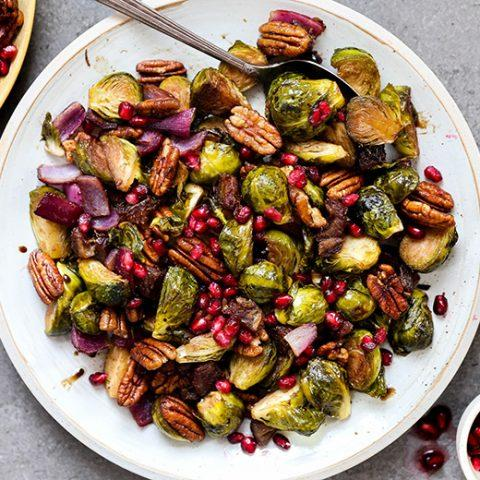
Maple-Balsamic Vegetables with Pecans
Add toasted pecans immediately before serving for a satisfying crunch.
Maple-Balsamic Vegetables with Pomegranate
Scatter fresh pomegranate seeds over the finished vegetables for a festive holiday presentation.
Spicy Maple-Balsamic Vegetables
Add ¼ teaspoon of red pepper flakes or a pinch of cayenne pepper to the glaze.
Garlic Herb Version
Increase the garlic and add fresh rosemary and thyme for a more savory flavor.
Maple-Balsamic Vegetables with Feta
Finish the dish with crumbled feta cheese for a creamy, salty contrast.
Vegan Version
Use olive oil instead of butter and check that all other ingredients are vegan-friendly. The basic recipe is naturally easy to make vegan.
How to Store Leftovers
Allow leftover vegetables to cool before transferring them to an airtight container.
Refrigerate and use within a few days.
For best texture, reheat the vegetables in an oven or air fryer rather than microwaving them for too long.
Creative Ways to Use Leftovers
Don’t throw away leftover roasted vegetables!
You can use them to make:
- Grain bowls
- Warm salads
- Pasta
- Vegetable wraps
- Frittatas
- Breakfast bowls
- Soup
- Sandwiches
- Quinoa salads
They can also be served at room temperature as part of a holiday-inspired salad.
What to Serve with Maple-Balsamic Roasted Vegetables
This recipe is especially good alongside a Thanksgiving dinner.
Main Dishes
- Herb-roasted turkey
- Roast chicken
- Baked ham
- Roast beef
- Stuffed squash
- Lentil loaf
Side Dishes
- Creamy mashed potatoes
- Homemade stuffing
- Cranberry sauce
- Green beans
- Dinner rolls
- Mac and cheese
Drinks
- Apple cider
- Sparkling water with cranberries
- Warm spiced cider
- Apple ginger punch
Thanksgiving Serving Checklist
Before guests arrive, make sure you have:
☐ Vegetables washed and chopped
☐ Maple-balsamic glaze prepared
☐ Large baking sheet ready
☐ Oven preheated
☐ Serving platter prepared
☐ Fresh herbs for garnish
☐ Pecans or pumpkin seeds toasted
☐ Serving spoon ready
This simple checklist can help keep your holiday cooking organized.
Why Maple-Balsamic Roasted Vegetables Belong on Your Thanksgiving Table
Thanksgiving meals are often filled with rich, creamy, and savory dishes.
A colorful roasted vegetable dish adds something different.
The vegetables bring natural sweetness and earthy flavors, while balsamic vinegar provides acidity and the maple syrup adds a warm seasonal sweetness.
The result is a side dish that feels festive without being complicated.
It also gives your Thanksgiving table a beautiful pop of color.
Conclusion
Maple-Balsamic Roasted Vegetables are an easy, colorful, and flavorful addition to any Thanksgiving dinner.
The combination of caramelized vegetables, sweet maple syrup, tangy balsamic vinegar, fresh herbs, and optional crunchy toppings creates a side dish that feels special enough for a holiday celebration while remaining simple enough for an ordinary family dinner.
The recipe is also wonderfully flexible. You can change the vegetables according to the season, add your favorite herbs and toppings, or make the dish completely vegan.
For your next Thanksgiving gathering, put a large colorful platter of these roasted vegetables in the center of the table and watch it disappear.
Frequently Asked Questions
1. Can I make Maple-Balsamic Roasted Vegetables ahead of time?
Yes. You can prepare and cut the vegetables and make the glaze ahead of time. Store them separately in the refrigerator until you’re ready to roast.
2. Can I use frozen vegetables?
Fresh vegetables generally provide the best roasting texture, but some frozen vegetables can work. Thaw and dry them well first to reduce excess moisture.
3. Can I use honey instead of maple syrup?
Yes. Honey can be used as a substitute, although it will give the dish a slightly different flavor.
4. What vegetables work best with maple and balsamic?
Sweet potatoes, carrots, Brussels sprouts, butternut squash, parsnips, onions, beets, and rutabaga all work particularly well.
5. Why are my roasted vegetables soggy?
The most common reasons are overcrowding the pan, excess moisture, or insufficient oven temperature. Spread the vegetables into a single layer and make sure they are reasonably dry before roasting.
6. When should I add the maple-balsamic glaze?
Adding it during the final stage of roasting helps prevent the maple syrup from burning while still allowing it to caramelize beautifully.
7. Can I make this recipe vegan?
Yes. Use olive oil and make sure your Dijon mustard and other ingredients are vegan-friendly.
8. Can I add nuts?
Absolutely. Toasted pecans, walnuts, almonds, or pumpkin seeds make excellent toppings.
9. Can I add cheese?
Yes. Crumbled feta or goat cheese can add a delicious creamy and salty contrast.
10. How do I make the vegetables extra crispy?
Avoid overcrowding the baking sheet, dry the vegetables well, use enough heat, and allow them to roast undisturbed for part of the cooking time.
11. Can I use a different vinegar?
Balsamic vinegar gives the best classic flavor, but you can experiment with apple cider vinegar or red wine vinegar. The flavor will be sharper, so adjust the sweetness accordingly.
12. What can I do with leftovers?
Use leftovers in salads, grain bowls, pasta, wraps, omelets, soups, or breakfast bowls.
13. Is this recipe good for Thanksgiving?
Absolutely. The warm roasted vegetables, maple sweetness, and balsamic tang pair especially well with traditional Thanksgiving dishes.
14. Can I serve these vegetables at room temperature?
Yes. They can be delicious warm or at room temperature, making them convenient for holiday buffets and gatherings.
Final Recipe at a Glance
Prep Time: 20 minutes
Roasting Time: About 40–45 minutes
Total Time: About 60–65 minutes
Servings: 6–8
Course: Side Dish
Cuisine: American / Holiday
Best For: Thanksgiving, Friendsgiving, Christmas, Fall Dinner
Main Ingredients: Sweet potatoes, carrots, Brussels sprouts, butternut squash, red onion, maple syrup, balsamic vinegar, olive oil, rosemary and thyme.
Flavor: Sweet, savory, tangy, caramelized and herbaceous.